 318 citations
,
January 2022 in “Signal Transduction and Targeted Therapy”
318 citations
,
January 2022 in “Signal Transduction and Targeted Therapy” The Wnt/β-catenin pathway is important for body functions and diseases, and targeting it may treat conditions like cancer, but with safety challenges.
15 citations
,
April 2025 in “Journal of Clinical Medicine” Higher platelet doses in PRP therapy improve outcomes for musculoskeletal issues.
47 citations
,
June 2013 in “Biology of blood and marrow transplantation” Mice with human fetal thymic tissue and stem cells developed symptoms similar to chronic graft-versus-host disease.
 23 citations
,
January 2015 in “Stem cells international”
23 citations
,
January 2015 in “Stem cells international” Coating surfaces with human hair keratin improves the growth and consistency of important stem cells for medical use.
 4 citations
,
February 2020 in “Cell & tissue research/Cell and tissue research”
4 citations
,
February 2020 in “Cell & tissue research/Cell and tissue research” Hair follicle stem cells might help treat traumatic brain injury.
 333 citations
,
February 2010 in “Cell Stem Cell”
333 citations
,
February 2010 in “Cell Stem Cell” Stem cell niches are crucial for regulating stem cell behavior and tissue health, and their decline can impact aging and cancer.
 76 citations
,
February 2021 in “International Journal of Molecular Sciences”
76 citations
,
February 2021 in “International Journal of Molecular Sciences” Mesenchymal stem cells show potential for skin healing and anti-aging, but more research is needed for safe use, especially regarding stem cells from induced pluripotent sources.
 175 citations
,
December 2014 in “PLoS Biology”
175 citations
,
December 2014 in “PLoS Biology” Macrophages help activate hair follicle stem cells, affecting hair growth and skin repair.

The mesenchymal stem cell secretome may effectively treat various diseases as an alternative to traditional stem cell therapies.
 1 citations
,
November 2025 in “Cell Death and Disease”
1 citations
,
November 2025 in “Cell Death and Disease” Understanding how mesenchymal stem cells stay undifferentiated can improve their use in treating diseases.
 138 citations
,
June 2019 in “Stem Cells and Development”
138 citations
,
June 2019 in “Stem Cells and Development” Periodontal ligament stem cells show promise for regrowing tissues but require more research for safe, effective use.
 6 citations
,
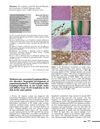
July 2015 in “European Journal of Dermatology”
6 citations
,
July 2015 in “European Journal of Dermatology” Stopping methotrexate might reverse lymphoma-like conditions in some patients.
 130 citations
,
September 2018 in “Cell Reports”
130 citations
,
September 2018 in “Cell Reports” Macrophages help heal nerves by aiding the maturation of Schwann cells and are important for nerve repair.
 6 citations
,
September 2009 in “European journal of histochemistry”
6 citations
,
September 2009 in “European journal of histochemistry” CD90 is present on specific cells in dog hair follicles.
 April 2023 in “Egyptian journal of Immunology”
 10% hPL is best for growing mesenchymal stem cells, while 10% FBS is best for hepatocytes.
 October 2025 in “Indian Journal of Plastic Surgery”
 Stem cells show promise in anti-aging and reconstructive surgery, but more research is needed.
 2 citations
,
May 2019 in “Advances in wound care”
2 citations
,
May 2019 in “Advances in wound care” Blood-derived CD34+ cells speed up healing, reduce scarring, and regrow hair in skin wounds.
Stem cell therapy shows promise for treating hair loss in androgenetic alopecia.
 July 2024 in “Journal of Dermatology Research Reviews & Reports”
 Stem cell therapy shows promise for treating hair loss by promoting hair growth.
 39 citations
,
July 2021 in “Stem Cell Research & Therapy”
39 citations
,
July 2021 in “Stem Cell Research & Therapy” Using fat stem cells and blood cell-rich plasma together improves healing in diabetic wounds by affecting cell signaling.
 39 citations
,
May 2004 in “Clinics in Dermatology”
39 citations
,
May 2004 in “Clinics in Dermatology” The document concludes that treatment for cutaneous T-cell lymphoma should be customized to each patient's disease stage, balancing benefits and side effects, with no cure but many patients living long lives.
 32 citations
,
May 2012 in “PloS one”
32 citations
,
May 2012 in “PloS one” Thymic transplantation normalized some T-cells but not others, maintaining immune function.
 21 citations
,
January 2018 in “The Korean Journal of Physiology and Pharmacology”
21 citations
,
January 2018 in “The Korean Journal of Physiology and Pharmacology” Modified stem cells from umbilical cord blood can make hair grow faster.
 13 citations
,
October 2020 in “Journal of Neural Transmission”
13 citations
,
October 2020 in “Journal of Neural Transmission” CD34-positive cells help repair and form new blood vessels in salivary glands after radiation.
 12 citations
,
April 2014 in “Molecular Medicine Reports”
12 citations
,
April 2014 in “Molecular Medicine Reports” Targeting specific miRNAs may help treat hair follicle issues caused by hydrogen peroxide.
 4 citations
,
November 2023 in “Frontiers in immunology”
4 citations
,
November 2023 in “Frontiers in immunology” New treatments targeting T-cell pathways are needed for better alopecia areata management.
 3 citations
,
September 2018 in “Journal of Biomaterials Science, Polymer Edition”
3 citations
,
September 2018 in “Journal of Biomaterials Science, Polymer Edition” Different materials affect the growth of brain cells and fibroblasts, with matrigel being best for brain cell growth.
 1 citations
,
May 2026 in “Signal Transduction and Targeted Therapy”
1 citations
,
May 2026 in “Signal Transduction and Targeted Therapy” Stem cell therapy shows promise but needs better safety and quality standards.
 January 2026 in “Open Life Sciences”
 Exosomes from stem cells help repair irradiated salivary glands by boosting cell growth.
 November 2025 in “Frontiers in Immunology”
 Stem cell activity influences autoimmune disease outcomes by affecting immune responses and tissue regeneration.