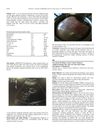
 October 2014 in “Journal of Minimally Invasive Gynecology”
 Genetic testing for cancer risk can lead to early and life-saving treatments in people without symptoms.
 4 citations
,
September 2024 in “BMC Cancer”
4 citations
,
September 2024 in “BMC Cancer” Adding dutasteride to therapy may improve treatment for advanced salivary duct cancer.
12 citations
,
January 2018 in “Breast Cancer Basic and Clinical Research” Subcutaneous trastuzumab improves some symptoms and doesn't harm overall quality of life in breast cancer patients.
 59 citations
,
December 2016 in “Supportive Care in Cancer”
59 citations
,
December 2016 in “Supportive Care in Cancer” Core symptoms in breast cancer chemotherapy remain stable, aiding targeted interventions.
January 2022 in “SSRN Electronic Journal” Gemcitabine and Disitamab Vedotin effectively and safely reduced bladder cancer in a patient.
 July 2026 in “Open Science Framework”
 Radiation can cause hair loss, and better prevention and treatment methods are needed.
June 2026 in “EJC Paediatric Oncology” High-dose thiotepa and twice-daily treatments increase the risk of permanent hair loss in children receiving craniospinal irradiation.
10 citations
,
February 2022 in “Cancers” More research and guidelines are needed for managing prostate cancer in people with high-risk genetic mutations.
December 2019 in “REVISTA FIMCA” Iodotherapy for thyroid cancer can cause dry mouth, taste loss, infections, and hair loss, so report side effects to doctors.
 June 2017 in “Reactions Weekly”
 Some breast cancer treatments caused long-term hair loss in women, similar to a condition called alopecia areata.
Breast cancer patients often worry, lose weight, and cope by praying, meditating, or seeking support.
Hair transplant is effective for treating hair loss caused by radiation and improves patients' quality of life.
25 citations
,
April 2012 in “Veterinary and comparative oncology” Megavoltage radiation therapy extended survival in rabbits with thymomas, especially in those weighing more than 1.57 kg.
 1 citations
,
July 2022 in “Dermatology practical & conceptual”
1 citations
,
July 2022 in “Dermatology practical & conceptual” Square-shaped hair loss can occur after treating a brain aneurysm due to localized radiation exposure.
More research is needed to understand chemotherapy-induced hair loss and its phases.
 5 citations
,
January 2013 in “Journal der Deutschen Dermatologischen Gesellschaft”
5 citations
,
January 2013 in “Journal der Deutschen Dermatologischen Gesellschaft” The document concludes that individualized treatment for malignant epithelial tumors is necessary and more research on metastatic squamous cell carcinoma treatments is needed.
2 citations
,
January 2016 in “SANGYO EISEIGAKU ZASSHI” Nurses are exposed to chemotherapy drugs, risking health issues like hair loss, so protective gear and monitoring are needed.
 61 citations
,
April 2009 in “British journal of dermatology/British journal of dermatology, Supplement”
61 citations
,
April 2009 in “British journal of dermatology/British journal of dermatology, Supplement” Docetaxel and paclitaxel for breast cancer can cause permanent, severe hair loss.
1 citations
,
April 2023 in “Heliyon” Disitamab vedotin and gemcitabine effectively treated bladder cancer without major side effects.
29 citations
,
April 2020 in “Biomolecules” Brassinosteroids may be useful in treating cancer, infections, and other diseases.
 59 citations
,
August 2018 in “The oncologist”
59 citations
,
August 2018 in “The oncologist” Some breast cancer patients still experience hair loss three years after chemotherapy, especially with taxane-based treatments.
June 2025 in “British Journal of Clinical Pharmacology” Chemotherapy often causes skin and hair issues, but early management can help improve patient care.
December 2021 in “Meditsinskiy sovet = Medical Council” Basic skin care products can effectively prevent and treat radiation dermatitis.
 59 citations
,
April 2016 in “Breast Cancer Research and Treatment”
59 citations
,
April 2016 in “Breast Cancer Research and Treatment” Targeting vitamin D and androgen receptors may effectively treat triple-negative breast cancer, especially with chemotherapy.
8 citations
,
September 2015 in “Radiotherapy and oncology” Scalp cooling does not stop hair loss from radiotherapy.
 January 2016 in “대한피부과학회지”
 Bortezomib chemotherapy can cause temporary skin rashes.
 3 citations
,
July 2019 in “Supportive Care in Cancer”
3 citations
,
July 2019 in “Supportive Care in Cancer” The lotion CG428 did not show effectiveness in treating permanent hair loss in breast cancer survivors.
38 citations
,
September 2017 in “Cancer Research” Boosting certain cell signals can prevent hair loss from cancer treatments.
Activating certain cells in hair follicles can prevent hair loss caused by cancer treatments.

Androgen suppression therapy (AST) doesn't significantly lower bladder cancer risk, but using finasteride, a type of AST, might decrease the risk. AST also lessens the chance of cancer coming back but doesn't really affect survival rates. More research is needed to understand AST's benefits for different bladder cancers.