 1 citations
,
January 2016 in “Springer briefs in molecular science”
1 citations
,
January 2016 in “Springer briefs in molecular science” I'm sorry, but there's no information provided for me to summarize.
1 citations
,
September 2007 in “Neuromuscular disorders” The treatment with valproate, acetylcarnitine, folic acid, and vitamin B12 may improve muscle strength in children with SMA without significant side effects.
 January 2026 in “Frontiers in Medicine”
 PP-PTKL may help treat hair greying, but more testing is needed.
 July 2025 in “Dermatologic Surgery”
 PRP may increase hair density but doesn't improve quality of life in breast cancer survivors with hair loss.
May 2025 in “International Journal of Trichology” The supplement improved hair health and reduced shedding in people with telogen effluvium.
 April 2025 in “Journal of the Association for Research in Otolaryngology”
 NM2 and RLC phosphorylation are essential for normal inner ear hair cell function.
 September 2024 in “Journal of the American Academy of Dermatology”
 PRP treatment may help improve hair density and thickness in breast cancer patients with therapy-induced hair loss.
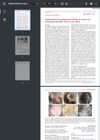 April 2024 in “JEADV clinical practice”
 Upadacitinib significantly improved both rheumatoid arthritis and alopecia areata in a patient.
March 2026 in “British Journal of Dermatology” Deucravacitinib did not significantly improve hair regrowth in alopecia areata patients.
5 citations
,
May 2024 in “Journal of Allergy and Clinical Immunology Global” Upadacitinib effectively improved severe atopic dermatitis and alopecia universalis in a 29-year-old man.
June 2026 in “Cancer Research Communications” The treatment combination is safe and effective for some patients with this type of breast cancer.
 October 2023 in “Regular and Young Investigator Award Abstracts”
 Baricitinib treatment helped reduce hair loss symptoms in mice by decreasing inflammation-related immune cells.
The treatment showed promising hair regrowth in advanced-stage hair loss.
3 citations
,
September 2021 in “EClinicalMedicine” ALRV5XR effectively increases hair density in men with androgenetic alopecia without adverse effects.
6 citations
,
July 2025 in “Cancer Medicine” ZSYY001 is safe, well-tolerated, and shows promise for treating advanced solid tumors.
July 2026 in “Journal of the American Academy of Dermatology” July 2023 in “Journal of the American Academy of Dermatology” Clinical trials for alopecia areata need better inclusion and retention of patients of color.
December 2025 in “PubMed” Baricitinib is effective and safe for treating severe alopecia areata.
Baricitinib may not always prevent relapse in alopecia areata.
January 2026 in “Journal of Dermatological Treatment” GT20029 showed some hair growth improvement, but longer studies are needed for better results.
 July 2018 in “International Journal of Research in Medical Sciences”
 Platelet rich plasma was slightly more effective than no treatment for hair loss in alopecia areata patients.
 2 citations
,
March 2005 in “Cancer biology & therapy”
2 citations
,
March 2005 in “Cancer biology & therapy” Bexxar treatment led to a high response rate in patients with advanced-stage, treatment-resistant follicular lymphoma.
April 2023 in “Journal of Investigative Dermatology” Increased TEMRA cells can predict treatment outcomes in rapidly progressive alopecia areata.
Ritlecitinib improves hair regrowth in alopecia areata without increasing adverse risks.
 October 2004 in “Australian Prescriber”
 Agalsidase alfa helps treat Fabry's disease but needs more research for long-term benefits.
 May 2025 in “Journal of Nanobiotechnology”
 The gel improves hair regrowth and reduces irritation in alopecia areata treatment.
New treatments for skin conditions show promise, especially Coacillium® for hair growth in young people with alopecia areata.
May 2025 in “Journal of the European Academy of Dermatology and Venereology” Etrasimod is safe but not effective for severe alopecia areata, though it may help milder cases.
June 2026 in “Value in Health” February 2026 in “Clinical Cancer Research” The combined treatment helped prevent hair loss and promoted full hair regrowth in breast cancer patients after chemotherapy.