2 citations
,
January 1987 in “PubMed” Woolly hair syndrome is a genetic condition causing frizzy, fragile hair.
January 2015 in “Springer eBooks” Healthy hair is crucial to avoid dryness, weakness, and breakage.
6 citations
,
January 2008 in “Indian Journal of Dermatology” Monilethrix, a genetic hair disorder causing fragile hair, affects three generations in a family.
 28 citations
,
February 2012 in “PLoS ONE”
28 citations
,
February 2012 in “PLoS ONE” A PKP1 gene mutation causes skin fragility and hair loss in Chesapeake Bay retriever puppies.
2 citations
,
August 2004 in “Veterinary Dermatology” A dog with a hereditary skin condition causing blisters and hair loss survived for a year.
 13 citations
,
May 2016 in “International journal of biological macromolecules”
13 citations
,
May 2016 in “International journal of biological macromolecules” Keratin's mechanical properties are influenced by hydrogen bonds and secondary structure, and can be improved with the SPD-2 peptide.
10 citations
,
January 1997 in “Dermatology” Two siblings were diagnosed with Trichothiodystrophy, identified by brittle hair and low sulfur content.
11 citations
,
March 2004 in “Journal of Comparative Pathology” Norfolk Terriers have a genetic skin defect causing scaling and blisters due to a keratin issue.
51 citations
,
September 2012 in “Biomacromolecules” Disulfide bonds make keratin in hair stronger and tougher.
8 citations
,
May 2005 in “The American journal of dermatopathology/American journal of dermatopathology” The hair defect is due to abnormal inner root sheath keratinization.
34 citations
,
December 2009 in “Journal of the American Academy of Dermatology” Improper use of ceramic flat irons can cause severe hair damage.
 April 2015 in “Experimental Dermatology”
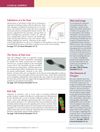
 Melanoma risk tools need improvement, certain gene mutations cause skin diseases and could be treated by targeting those mutations, skin wrinkling may relate to lung aging due to genetic factors, and oxidative stress affects hair loss but can be reduced in low oxygen.
Skin ages and changes due to sun, wind, and aging, causing dryness, thinning, and hair loss.
June 2021 in “Faculty Opinions – Post-Publication Peer Review of the Biomedical Literature” 27 citations
,
February 1991 Cuticle damage doesn't affect hair's tensile strength; the cortex is responsible for it.
12 citations
,
February 2011 in “Zenodo (CERN European Organization for Nuclear Research)” Hair properties vary with age and ethnic origin.
84 citations
,
June 1970 in “Journal of Investigative Dermatology” June 2025 in “British Journal of Dermatology” Nail abnormalities in children can indicate deeper health issues.
 11 citations
,
October 1980 in “Archives of Dermatology”
11 citations
,
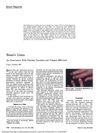
October 1980 in “Archives of Dermatology” Beau's lines and hair loss in a patient were linked to severe stress on the body.
24 citations
,
January 2009 in “International Journal of Trichology” Sunlight exposure ages hair, making it brittle, stiff, and dry.
1 citations
,
January 2006 High temperatures and cosmetic processes can damage hair keratin, affecting its structure and strength.
September 1972 in “大会学術講演梗概集. 構造系” The document explains common hair disorders and the basics of hair anatomy and life cycle.
 1 citations
,
January 1987 in “Journal of Society of Cosmetic Chemists of Japan”
1 citations
,
January 1987 in “Journal of Society of Cosmetic Chemists of Japan” The method accurately measures hair damage and strength, revealing effects of cosmetics and metal correlations.
January 2011 in “대한피부과학회지” A 7-year-old girl was diagnosed with trichothiodystrophy due to low sulfur levels in her hair.
3 citations
,
January 2013 in “Türk veterinerlik ve hayvancılık dergisi/Turkish journal of veterinary and animal sciences” A cat in Turkey had Ehlers-Danlos syndrome, showing very stretchy skin and easy bruising.
51 citations
,
January 1997 in “PubMed” GABEB is a less severe skin condition caused by a gene mutation affecting collagen, leading to blisters and other symptoms.
 May 2022 in “Experimental dermatology”
 Trichothiodystrophy hair is structurally abnormal with protein and organization issues.
Malnourished people have weaker hair that is easier to pluck.
15 citations
,
November 2009 in “Journal of Comparative Pathology” Epidermolysis bullosa in calves was not caused by mutations in the keratin genes bKRT5 and bKRT14.
14 citations
,
May 2017 in “Journal of Investigative Dermatology” A rare gene mutation causes skin fragility and itching without affecting hair or nails.