September 2013 in “Helda (University of Helsinki)” Mutations in specific genes cause certain congenital defects in dogs, aiding in understanding similar human diseases.
12 citations
,
October 1988 in “Clinics in dermatology” The mouse model could be useful for baldness research and testing treatments like testosterone, cyproterone acetate, and minoxidil.
10 citations
,
April 2020 in “PloS one” Lack of Crif1 in hair follicle stem cells slows down hair growth in mice.
99 citations
,
February 2000 in “PubMed” Overexpressing PKCepsilon in mice reduces papillomas but increases carcinomas.
4 citations
,
May 1998 in “PubMed” The Bsk mutation doesn't involve keratin gene recombination and its cause is unknown.
December 2015 in “OPAL (Open@LaTrobe) (La Trobe University)” Oleuropein increases IGF-1 levels in mouse skin.
 July 2012 in “European journal of cancer”
 MPA increases cancer spread by boosting Eph A2 activity.
46 citations
,
May 1995 in “Proceedings of the National Academy of Sciences” A specific gene region can control targeted and responsive gene expression in mice, useful for skin disorder treatments.
164 citations
,
December 1984 in “Proceedings of the National Academy of Sciences” TCDD reduces EGF receptor activity and causes various developmental changes in animals.
 March 2022 in “Indian Journal of Animal Research”
 Dog hair follicle stem cells can turn into fat cells.
 1 citations
,
January 2008 in “Journal of Physiology & Pathology in Korean Medicine”
1 citations
,
January 2008 in “Journal of Physiology & Pathology in Korean Medicine” Mylabris phalerata Pall. extracts can promote hair growth effectively at low doses.
 10 citations
,
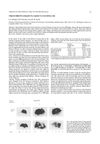
May 1986 in “Experientia”
10 citations
,
May 1986 in “Experientia” Too much zinc in the diet can cause hair loss and color change in young mice by reducing copper in the body.
2 citations
,
August 2022 in “Middle East Fertility Society Journal” The new rodent model successfully mimics non-lean human PCOS symptoms.
 January 2014 in “Journal of Clinical and Investigative Dermatology”
 Young rats are better for testing hair loss treatments after chemotherapy.
 4 citations
,
January 2009 in “Acta agriculturae Serbica”
4 citations
,
January 2009 in “Acta agriculturae Serbica” Selenium imbalance can cause hair loss and skin issues.
 2 citations
,
January 1997 in “Journal of Clinical Biochemistry and Nutrition”
2 citations
,
January 1997 in “Journal of Clinical Biochemistry and Nutrition” Biotin deficiency causes severe hair loss and weight reduction in germ-free mice.
 September 2023 in “Ethiopian journal of health sciences”
 Plantain leaf extract reduces liver oxidative stress in malaria-infected mice.
 11 citations
,
September 1996 in “Neuroscience letters”
11 citations
,
September 1996 in “Neuroscience letters” Adding fetal calf serum helps Merkel cells survive and change shape.
December 2010 in “OhioLink ETD Center (Ohio Library and Information Network)” Sry may regulate fatty acid metabolism and shows different expression levels in rat tissues.
2 citations
,
July 1999 in “JEADV. Journal of the European Academy of Dermatology and Venereology/Journal of the European Academy of Dermatology and Venereology” Proteolytic enzymes damaged hair follicle stem cells in transgenic mice.
February 1999 in “The anatomical record” Two mouse mutants have defective hair cuticle cross-linking.
48 citations
,
June 2000 in “Japanese Journal of Cancer Research” Dimethylarsinic acid speeds up skin tumor growth in certain mice.
 67 citations
,
December 2019 in “PloS one”
67 citations
,
December 2019 in “PloS one” Beta-caryophyllene helps improve wound healing in mice, especially in females.
30 citations
,
December 2021 in “Frontiers in Microbiology” Cepharanthine effectively reduces Herpes Simplex Virus Type 1 by blocking certain cell pathways and promoting cell death.
January 2026 in “Journal of Dermatological Science” DcR3 helps heal wounds and regrow hair by changing macrophages to a repair-focused type.
January 2008 in “HAL (Le Centre pour la Communication Scientifique Directe)” The mutant HR bmh protein affects hair follicle formation by failing to repress vitamin D receptor activity.
Cyproterone slightly inhibited hair growth in castrated mice, while tamoxifen significantly inhibited hair growth in castrated mice but not in normal mice.
 April 2015 in “Andrology”
 HNG may help prevent the negative effects of chemotherapy on sperm production and white blood cell counts.
23 citations
,
July 2016 in “JAMA Ophthalmology” CDH3-related disease causes worsening eye and hair issues.
113 citations
,
May 2002 in “PubMed” Overexpressing COX-2 in mice skin reduces skin tumor development.