Loss of Dnmt3a and Dnmt3b leads to more aggressive skin tumors, but blocking PPAR-γ can reduce this effect.
Loss of Dnmt3a and Dnmt3b increases aggressive skin tumors by affecting PPAR-γ.
Low-level laser therapy may help stem cells grow and function better, aiding in healing and tissue repair.
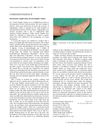 May 2002 in “British Journal of Dermatology”
 A pregnant woman's skin condition improved after giving birth, possibly due to high estrogen levels during pregnancy.
Deleting Twist1 in skin cells reduces UVB-induced skin cancer risk.
99 citations
,
October 2008 in “Journal of Investigative Dermatology” Mutations in the ST14 gene cause skin and hair issues by disrupting important protein processing.
71 citations
,
November 2005 in “The journal of investigative dermatology. Symposium proceedings/The Journal of investigative dermatology symposium proceedings” Edar signaling is crucial for proper hair follicle development and function.
43 citations
,
October 2005 in “Molecular and cellular endocrinology” Hair melanocytes help the skin respond to stress and regulate hair pigmentation.
7 citations
,
June 2018 in “Cryobiology” Freezing nitrogen ethanol composite is safer than liquid nitrogen for treating musculoskeletal tumors.
7 citations
,
January 2002 in “PubMed” Prolonged UVB exposure causes significant skin changes and damage in rats.
1 citations
,
January 2015 ERK activation spreads between cells, influencing cell division and wound healing.
 November 2024 in “Traditional & Kampo Medicine”
 Kumazasa extract promotes hair growth in mice like minoxidil but without side effects.
ERK activation spreads between cells in mouse skin, linked to cell division and influenced by TPA and EGF receptors.
2 citations
,
January 2006 in “Indian Journal of Veterinary Pathology” Trichophyton mentagrophytes causes skin issues and nutrient deficiencies in young sheep, especially in winter.
 24 citations
,
April 2013 in “PLOS ONE”
24 citations
,
April 2013 in “PLOS ONE” TNFα, IFNγ, and Substance P significantly affect prolactin levels in human skin, suggesting new treatments for skin and hair conditions.
10 citations
,
April 2020 in “PloS one” Lack of Crif1 in hair follicle stem cells slows down hair growth in mice.
9 citations
,
January 2021 in “Acta Cirúrgica Brasileira” Dipotassium glycyrrhizinate helps wounds heal faster, especially in the early stages.
 6 citations
,
November 2022 in “Development”
6 citations
,
November 2022 in “Development” New research shows that skin diversity is influenced by different types of dermal fibroblasts and their development, especially involving the Wnt/β-catenin pathway.
6 citations
,
August 2016 in “Journal of Visualized Experiments” The CUBIC protocol allows detailed 3D visualization of proteins in mouse skin biopsies.
5 citations
,
July 2023 in “Microorganisms” The study found specific skin and cell changes in patients with monkeypox, helping diagnose and understand the disease.
4 citations
,
November 2022 in “Nutrients” Cow placenta extract has strong antioxidant effects and can delay skin aging in mice.
3 citations
,
December 2007 in “Journal of Otology” Guinea pig fat stem cells can become hair cell-like cells in a lab.
1 citations
,
February 2025 in “Cell Cycle” HAP stem cell sheets speed up wound healing and reduce scarring.
 March 2026 in “International Journal of Molecular Sciences”
 Grateloupia angusta extract helps heal wounds faster and improve skin repair.
 February 2026 in “International Journal of Nanomedicine”
 Engineered exosomes with EGF and FGF improved hair growth in mice with hair loss.
 March 2025 in “Frontiers in Cell and Developmental Biology”
 Improving nerve and immune interactions may help heal chronic wounds.
 February 2024 in “Advanced Science”
 The new scaffold with two growth factors speeds up skin healing and reduces scarring.
January 2024 in “Journal of developmental biology” Abdominal skin heals faster than dorsal skin because it has more stem cells.
 August 2023 in “Clinical, Cosmetic and Investigational Dermatology”
 Research on the human skin microbiome has grown, focusing on skin health and diseases, with more studies needed on antibiotic resistance and AI applications.
Skin cells can naturally limit the growth of cancerous changes by balancing cell renewal and differentiation.