 68 citations
,
April 2002 in “Journal of Human Nutrition and Dietetics”
68 citations
,
April 2002 in “Journal of Human Nutrition and Dietetics” The intensive conventional diet with exercise led to better long-term weight loss and health improvements than the very low calorie diet in obese type 2 diabetics.
 295 citations
,
September 2006 in “Cell Cycle”
295 citations
,
September 2006 in “Cell Cycle” The conclusion is that using drugs to block the TOR pathway might slow aging and prevent age-related diseases.
 84 citations
,
December 2017 in “EMBO Reports”
84 citations
,
December 2017 in “EMBO Reports” Circadian rhythms are crucial for stem cell function and tissue repair, and understanding them may improve aging and regeneration treatments.
45 citations
,
August 2023 in “Trends in Cell Biology” Controlling cellular changes can enable safe rejuvenation without cancer risk.
 32 citations
,
June 1976 in “JAMA”
32 citations
,
June 1976 in “JAMA” Crash dieting can cause hair loss due to severe calorie restriction.
 23 citations
,
June 1976 in “PubMed”
23 citations
,
June 1976 in “PubMed” Crash dieting can cause temporary hair loss due to not getting enough energy for hair growth.
 16 citations
,
November 2021 in “Antioxidants”
16 citations
,
November 2021 in “Antioxidants” Managing oxidative stress might help treat low testosterone and related chronic diseases in aging men.
5 citations
,
May 2025 in “Nature Communications” Dietary fats are stored in the skin, affecting body heat regulation.
 3 citations
,
February 2008 in “Basic and clinical dermatology”
3 citations
,
February 2008 in “Basic and clinical dermatology” Telogen Effluvium is a hair loss condition where treatment involves identifying and managing its triggers.
May 2026 in “Science Advances” Caloric stress and differentiation increase IRES translation, affecting stem cell function and potential therapies.
 January 2024 in “Annals of dermatology/Annals of Dermatology”
 Weight loss can cause temporary hair loss, especially in women and older adults.
 January 2017 in “Springer eBooks”
 Eating a balanced diet with specific nutrients can help manage menopause symptoms and prevent related health issues.
October 2005 in “The Journal of clinical investigation/The journal of clinical investigation” Genetic manipulations that extend lifespan in mice may not work as effectively in humans.
 93 citations
,
January 2016 in “British Journal of Dermatology”
93 citations
,
January 2016 in “British Journal of Dermatology” Eating a high-glycemic diet may worsen acne by increasing certain protein levels and expressions in the skin.
 32 citations
,
December 1969 in “The Lancet”
32 citations
,
December 1969 in “The Lancet” Children with marasmus have more resting hair follicles and thinner, less pigmented hair, showing long-term malnutrition.
 19 citations
,
January 2015 in “Current problems in dermatology”
19 citations
,
January 2015 in “Current problems in dermatology” Ultraviolet rays damage hair, smoking may cause hair loss, and good nutrition is important for hair health, but genetics mainly decide hair thickness.
 7 citations
,
January 2017 in “Journal of cosmetology & trichology”
7 citations
,
January 2017 in “Journal of cosmetology & trichology” Good nutrition is crucial for healthy hair and can help with hair loss without medication.
January 2013 in “Cahiers Pedagogiques” Calorie restriction boosts stem cell activity, improving tissue regeneration and lifespan.
 1 citations
,
June 2007 in “Journal of Oral and Maxillofacial Surgery”
1 citations
,
June 2007 in “Journal of Oral and Maxillofacial Surgery” A woman experienced temporary hair loss after jaw surgery due to the stress of the operation.
 July 1976 in “Archives of Dermatology”
 The document suggests more research is needed to understand skin conditions related to toothpaste and other treatments.
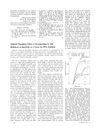 54 citations
,
July 1967 in “Science”
54 citations
,
July 1967 in “Science” Decomposed tritiated thymidine is less accurate for DNA tracing, and hair changes can indicate malnutrition.
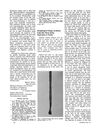 47 citations
,
July 1967 in “Science”
47 citations
,
July 1967 in “Science” Not eating enough protein can cause hair roots to shrink and lose color, and hair to become thinner.
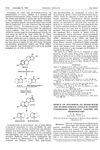 20 citations
,
November 1968 in “The Lancet”
20 citations
,
November 1968 in “The Lancet” Potassium levels affect blood sugar and insulin during dialysis, and malnutrition changes children's hair roots.
17 citations
,
October 1981 in “American Journal of Clinical Nutrition” Malnourished people have weaker hair that is easier to pluck.
 January 2017 in “Chemistry & Industry”
 Eating fewer calories may slow aging and removing old cells can increase lifespan in mice.
Malnourished people have weaker hair that is easier to pluck.
June 2010 in “Journal of Cosmetic Dermatology” Caloric restriction may extend life but doesn't improve appearance, and modern eating habits need reevaluation.
 October 2024 in “Irish Journal of Medical Science (1971 -)”
 Electrical stimulation with a low-calorie diet reduces appetite, weight, and blood pressure in obese people with sleep apnea.
 1 citations
,
July 1976 in “Archives of Dermatology”
1 citations
,
July 1976 in “Archives of Dermatology” Some women experienced hair loss after stopping chorionic gonadotropin injections and a low-calorie diet.
May 2004 in “Medicine & Science in Sports & Exercise” Over-training and under-eating caused weight gain, resolved by increasing calories and adjusting exercise.