 5 citations
,
January 2024 in “Journal of Cancer”
5 citations
,
January 2024 in “Journal of Cancer” The treatment combination is effective and generally safe for lung cancer.
5 citations
,
April 2023 in “Drug Design Development and Therapy” Drug repositioning can save time and money but needs more support.
 5 citations
,
January 2022 in “Proceedings of the Pakistan Academy of Sciences B Life and Environmental Sciences”
5 citations
,
January 2022 in “Proceedings of the Pakistan Academy of Sciences B Life and Environmental Sciences” Nanoparticles improve cancer treatment by reducing side effects and targeting cancer cells better.
 4 citations
,
January 2022 in “Current pharmaceutical design”
4 citations
,
January 2022 in “Current pharmaceutical design” Microsponges delivery system is a safe, versatile method for controlled drug release in various treatments.
 2 citations
,
January 2021 in “Turkiye Klinikleri Journal of Internal Medicine”
2 citations
,
January 2021 in “Turkiye Klinikleri Journal of Internal Medicine” Cancer treatments often cause hair loss, and more research is needed to prevent and treat it.
 February 2026 in “Preprints.org”
 Reporter characteristics affect detection of hair loss from cancer therapy.
 February 2026 in “International Journal of Molecular Sciences”
 Combining hyperthermia with natural compounds and conventional treatments improves cancer therapy effectiveness and reduces side effects.
 January 2026 in “Frontiers in Drug Discovery”
 Transforming skin disease treatment requires new strategies, better drug models, and patient-focused research.

Certain drugs can worsen hair loss in people prone to androgenetic alopecia.
March 2024 in “Journal of pharmacy & pharmaceutical sciences” Polymeric microneedles offer a less invasive, long-lasting drug delivery method that improves patient compliance and reduces side effects.
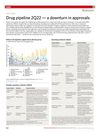 August 2022 in “Nature Biotechnology”
 Drug approvals slowed in 2Q22, but notable drugs like Amvuttra, Camzyos, and Olumiant were approved.
 February 2012 in “Community oncology”
 Finasteride for hair loss may increase the risk of certain cancers and has side effects; better regulation and education on its use are needed.
 March 2006 in “Drug Discovery Today: Therapeutic Strategies”
 The 2006 editorial concluded that immunotherapy was advancing with new drugs, focusing on specific biological therapies and convenient oral treatments, and highlighted the importance of partnerships and new regulations in the field.
January 2004 in “Oncology Times” Cancer myths can harm treatment and prevention efforts.
 January 2003 in “American Journal of Clinical Dermatology”
 In 2002, various skin reactions were reported due to different drugs, including allergies, hair loss, skin lesions, and other skin conditions.
1 citations
,
January 2026 in “International Journal of Dermatology” Amivantamab can cause severe skin eruptions and scarring, requiring drug discontinuation and early treatment.
 November 2022 in “Journal of Investigative Dermatology”
 3D skin bioprinting, using skin bioinks like collagen and gelatin, is growing fast and could help treat wounds, burns, and skin cancers, as well as test cosmetics and drugs.
 May 2022 in “Голова и шея.”
 Exosomes show promise for targeted treatment of HER2-positive breast cancer.
May 2010 in “OPAL (Open@LaTrobe) (La Trobe University)” Vaccines and targeting TrxR variants can help prevent cancer and reduce metastasis.
December 2025 in “Pharmaceutics” EV-based drug delivery shows promise but faces challenges in standardization and scalability.
 March 2024 in “International journal of nanomedicine”
 Polymeric nanohydrogels show potential for skin drug delivery but have concerns like toxicity and regulatory hurdles.
32 citations
,
December 1963 in “Pharmacological Reviews” Some drugs can cause hair loss and skin issues.
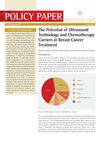
Ultrasound and nanocarriers could make breast cancer treatment safer and more effective.
 January 2022 in “International Journal of Medical Sciences”
 Cedrol may be an effective treatment for colorectal cancer.
 165 citations
,
September 2003 in “Toxicology and applied pharmacology”
165 citations
,
September 2003 in “Toxicology and applied pharmacology” Blocking COX, especially COX-2, in the skin can reduce inflammation and pain and may help prevent skin cancer.
76 citations
,
January 2022 in “Journal of Tissue Engineering” Microneedle patches could replace injections but need more development for better use in medicine.
 75 citations
,
January 2014 in “Korean Journal of Urology”
75 citations
,
January 2014 in “Korean Journal of Urology” 5α-reductase inhibitors can cause sexual problems, higher risk of aggressive prostate cancer, and depression.
 28 citations
,
July 2017 in “Expert Review of Anticancer Therapy”
28 citations
,
July 2017 in “Expert Review of Anticancer Therapy” Breast cancer patients taking CDK4/6 inhibitors are more likely to experience fatigue, hair loss, and mouth sores.
 19 citations
,
October 2008 in “Journal der Deutschen Dermatologischen Gesellschaft”
19 citations
,
October 2008 in “Journal der Deutschen Dermatologischen Gesellschaft” Anti-cancer treatments can cause reversible hair loss, skin sensitivity, pigmentation changes, nail damage, and skin reactions, with a need for more research on managing these side effects.
 12 citations
,
January 2018 in “Acta pharmaceutica sciencia”
12 citations
,
January 2018 in “Acta pharmaceutica sciencia” Solid lipid nanoparticles can improve how well drugs that don't dissolve in water work and are safe.