1 citations
,
October 2025 in “Colorectal Disease” Early-onset colorectal cancer requires better physician awareness, risk-based screening, and stigma reduction to improve patient experiences.
April 2017 in “The Journal of urology/The journal of urology” Finasteride use is linked to a lower risk of bladder cancer, especially in Caucasians and Hispanics.
27 citations
,
February 2014 in “BMC Cancer” Circadian rhythm disruption, chronic inflammation, hormones, metabolism, and genetics may increase prostate cancer risk.
 7 citations
,
October 2020 in “Dermatology practical & conceptual”
7 citations
,
October 2020 in “Dermatology practical & conceptual” Some skin, hair, and nail supplements can be toxic, interact with medications, affect lab tests, and may increase cancer risk.
 18 citations
,
March 2009 in “Medical Hypotheses”
18 citations
,
March 2009 in “Medical Hypotheses” The document suggests that blocking sweat glands with antiperspirants might allow skin-generated hormones to be absorbed, possibly increasing breast and prostate cancer risk.
 108 citations
,
February 2008 in “The Journal of urology/The journal of urology”
108 citations
,
February 2008 in “The Journal of urology/The journal of urology” Inhibiting 5α-reductase can help reduce prostate cancer risk and improve treatment.
 3 citations
,
April 2015 in “AFRICAN JOURNAL OF BIOTECHNOLOGY”
3 citations
,
April 2015 in “AFRICAN JOURNAL OF BIOTECHNOLOGY” Certain genetic markers on the Y-chromosome may influence prostate cancer risk in Iraqi males.
1 citations
,
February 2025 in “Supportive Care in Cancer” Safe treatments like minoxidil and spironolactone can help manage hair loss in breast cancer patients without increasing cancer risk.
April 2025 in “International Journal of Dermatology” Prostaglandin E2 promotes skin cancer, but certain supplements and drugs may help reduce risk and improve treatment.
Bcl-2 helps hair regeneration but can also increase cancer risk.
 August 2015 in “International Journal of Genetics and Molecular Biology”
 Certain genetic markers may increase or decrease prostate cancer risk.
 September 2010 in “European Urology Supplements”
 Opioid use may lower PSA levels, suggesting a possible role in prostate cancer control; PSA testing is useful for detecting prostate cancer; serum triglycerides are not linked to prostate cancer risk; and higher urethral PSA levels may be associated with local hormone activity.
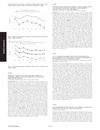 May 2019 in “Gastroenterology”
 Androgen lowering medications don't significantly change HCV-related liver cancer risk in men.
 October 2024 in “Journal of the Endocrine Society”
 Metastatic cervical cancer can cause rare, severe Cushing's syndrome with high risk of death.
 October 2017 in “The Journal of Urology”
 Finasteride reduces the need for prostate surgery but may increase the risk of depression and persistent sexual side effects.
 October 2024 in “Journal of the Endocrine Society”
 ACTH-dependent Cushing's syndrome linked to metastatic cervical cancer is rare and has high risks.
November 2001 in “Oncology Times” The committee decided not to approve the drug due to low effectiveness and high risks.
 February 2024 in “BioMetals”
 Heavy metals like arsenic, cadmium, and lead can increase cancer risk and worsen outcomes.
 106 citations
,
March 2013 in “Nature Communications”
106 citations
,
March 2013 in “Nature Communications” A new genetic region, 17q21.31, is linked to higher ovarian cancer risk.
December 2025 in “Fertility and Sterility” Both LNG-IUD and systemic progestins are effective for fertility-sparing treatment, but close monitoring is needed due to recurrence risk.
 56 citations
,
March 2015 in “Cell death and differentiation”
56 citations
,
March 2015 in “Cell death and differentiation” Older skin has higher cancer risk due to inflammation and stem cell issues.
 June 2012 in “Faculty Opinions – Post-Publication Peer Review of the Biomedical Literature”
 Six new risk spots for early hair loss were found, which also link to Parkinson's disease and lower fertility. Two genes, FOXA2 and HDAC4, could be new treatment targets. Hair loss might also be connected to heart disease, metabolic syndrome, and prostate cancer.
45 citations
,
August 2023 in “Trends in Cell Biology” Controlling cellular changes can enable safe rejuvenation without cancer risk.
 34 citations
,
May 2017 in “Seminars in Reproductive Medicine”
34 citations
,
May 2017 in “Seminars in Reproductive Medicine” Women with PCOS have a higher risk of diabetes, heart problems, certain cancers, and mental health issues, but early treatment can help manage these risks.
 22 citations
,
October 2018 in “British Journal of Haematology”
22 citations
,
October 2018 in “British Journal of Haematology” Women have a higher risk of blood clots from hormonal factors and need careful treatment, especially during pregnancy.
 4 citations
,
May 2013 in “Canadian Urological Association Journal”
4 citations
,
May 2013 in “Canadian Urological Association Journal” Finasteride reduces prostate cancer risk by 30% without affecting Gleason scores.
 October 2023 in “International Journal For Multidisciplinary Research”
 Women with PCOS face many health risks, but exercise, a healthy diet, and weight management can help.
 January 2021 in “Journal of the European Academy of Dermatology and Venereology”
 PrEP doesn't increase STI risk in high-risk men, anti-androgen drugs may lower ICU admission for male COVID-19 patients, a 3-point injection is better for crow's feet, and the 'Geriatric-8' tool could help assess frailty in older skin cancer patients.
Finasteride can reduce prostate cancer risk but may delay diagnosis and cause sexual side effects.
February 2006 in “Mayo Clinic Proceedings” Finasteride reduces prostate cancer risk but may increase high-grade cancer cases.