25 citations
,
March 2002 in “Scanning” Confocal microscopy is better than scanning electron microscopy for studying hair in its natural state and understanding hair products' effects.
December 2025 in “International Journal of Cosmetic Science” A new tool helps better assess and treat hair loss in Chinese men.
81 citations
,
December 2007 in “Acta materialia” AFM helped show how hair changes under tension and the effects of damage and conditioner.
 4 citations
,
July 2018 in “International Journal of Research -GRANTHAALAYAH”
4 citations
,
July 2018 in “International Journal of Research -GRANTHAALAYAH” Human hair has a natural biomagnetic field.
September 2011 in “European journal of cancer” 3 citations
,
July 2019 in “Fibers And Polymers/Fibers and polymers” 1 citations
,
January 2000  3 citations
,
January 2021 in “Wear”
3 citations
,
January 2021 in “Wear” Hair's resistance to wear varies by ethnicity and treatment, with less wear indicating stronger hair.
 38 citations
,
June 2003 in “Journal of Investigative Dermatology Symposium Proceedings”
38 citations
,
June 2003 in “Journal of Investigative Dermatology Symposium Proceedings” Accurate clinical, histological, and genetic methods are key for understanding and treating hair disorders.
 April 2021 in “Journal of Investigative Dermatology”
 A trial showed that a new treatment is safe and effective for male pattern baldness, with most participants growing new hair.
1 citations
,
June 2016 in “Experimental Dermatology” Metabolomics can identify hair damage markers, but its use in creating treatments is uncertain.
January 2024 in “Updates in clinical dermatology” 
Hair microscopy is a useful and affordable way to diagnose hair disorders.
3 citations
,
August 2018 in “Zenodo (CERN European Organization for Nuclear Research)” Human hair follicles have a natural biomagnetic field.
11 citations
,
May 2016 in “PubMed” New imaging and testing methods can effectively assess hair shape changes and damage.
December 2020 in “Dermatology practical & conceptual” Trichoscopy helped diagnose a teenage girl's hair loss as monilethrix.
October 2025 in “Experimental & Molecular Medicine” Hair analysis is valuable for health and forensics but faces challenges like growth variability and contamination.
 January 2026 in “Forum Dermatologicum”
 Thorough hair examination is crucial for accurate diagnosis and treatment.
237 citations
,
September 2018 in “Clinical Biochemistry” Hair cortisol analysis can help diagnose stress-related conditions but needs more refinement for widespread use.
A new system for classifying curly hair types using precise measurements can improve hair care products and cultural inclusion.
 2 citations
,
July 2018 in “Elsevier eBooks”
2 citations
,
July 2018 in “Elsevier eBooks” Trichoscopy is a useful tool for diagnosing and managing hair and scalp conditions, often better than traditional methods.
 January 2014 in “International Journal of Trichology”
 Hair is culturally and economically valuable, and its weight is now used to measure the effectiveness of hair growth treatments.

New imaging tools help doctors better examine hair and scalp health without surgery.
 September 2024 in “Journal of Investigative Dermatology”
 A new tool can analyze hair to detect changes due to hormones, genetics, and aging.
 1 citations
,
January 2012 in “International Journal of Trichology”
1 citations
,
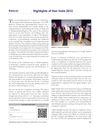
January 2012 in “International Journal of Trichology” Hair India 2012 was a successful international event focused on combating fake trichology practices and discussing various hair health topics.
1 citations
,
January 2010 in “Biological and medical physics series” Human hair's structure and properties were studied using advanced microscopes and mechanical tests.
 November 1993 in “Hair transplant forum international”
 Measuring hair density is crucial for diagnosing and treating hair loss.
 November 2023 in “Journal of Dermatological Science”
 A new computer tool quickly measures hair thickness differences in people with common types of hair loss.
90 citations
,
July 1993 in “Journal of Investigative Dermatology”  21 citations
,
October 2011 in “PloS one”
21 citations
,
October 2011 in “PloS one” Certain molecules in hair change with age and could be used for cosmetic treatments.