August 2024 in “Indian Dermatology Online Journal” DCPA commonly affects males' lower legs, showing follicular pustules and white areas.
 January 2011 in “Elsevier eBooks”
 Alopecia in animals can be hereditary, congenital, or acquired, with treatments and outcomes varying widely.
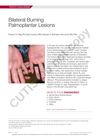
The woman was diagnosed with lichen sclerosus, a rare skin condition, after initial misdiagnosis and ineffective treatments.
 20 citations
,
September 2018 in “Journal of cutaneous pathology”
20 citations
,
September 2018 in “Journal of cutaneous pathology” Different skin diseases show unique patterns of skin cell separation, cell death, and granular layer changes.

Orchiectomy and melatonin helped a German Spitz regrow hair lost due to alopecia X.
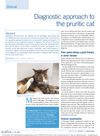 September 2013 in “The veterinary nurse”
 Finding the cause of a cat's itchiness requires a careful process and good communication with the owner.

Early diagnosis and lifelong zinc supplementation are crucial for treating acrodermatitis enteropathica effectively.
February 2026 in “Veterinary Dermatology” Coat-type differences in Pomeranians affect Alopecia X diagnosis and treatment.
 September 2023 in “Small animal advances”
 The kitten's skin infection was cured with medication in three weeks.
13 citations
,
September 1997 in “Archives of Dermatology” The boy likely has a fungal infection causing hair loss.
 January 2025 in “International Journal of Veterinary Sciences and Animal Husbandry”
 The camel fully recovered from sarcoptic mange after 5 weeks of treatment.
 June 2023 in “Deleted Journal”
 Healthy dogs and cats can carry and spread skin infections without showing symptoms.
1 citations
,
April 2022 in “Clinical Cosmetic and Investigational Dermatology” Topical treatment improved rare scalp lichen amyloidosis.
The chapter concludes that certain skin diseases in bovines cause symmetrical, non-painful lesions and temporary hair loss due to stress.
April 2025 in “Indian Journal of Paediatric Dermatology” Zinc supplements improved the girl's skin and hair condition.
 14 citations
,
September 2009 in “International Journal of Dermatology”
14 citations
,
September 2009 in “International Journal of Dermatology” DCPA is a chronic leg infection often related to Staphylococcus aureus, affecting mostly young men in India.
3 citations
,
January 2018 Bacterial skin diseases in camelids are often caused by moisture, trauma, and infections.
 March 2021 in “Research Society and Development”
 A blue Staffordshire Bull Terrier had hair loss due to color dilution alopecia, confirmed by tests, but no treatment was pursued.

Early recognition and zinc treatment can effectively improve acrodermatitis symptoms.
6 citations
,
June 1993 in “Veterinary Dermatology” A female Rottweiler had a rare genetic condition causing mostly hairless skin.
2 citations
,
January 2022 in “Journal of Veterinary and Animal Sciences” Trichophyton and Microsporum fungi are the main causes of skin infections in dogs in Thrissur, Kerala.
 December 2025 in “Cureus”
 Zinc supplements effectively treat inherited zinc deficiency in infants.
4 citations
,
September 1992 in “Journal of Small Animal Practice” A French bulldog had sparse hair due to a condition similar to that seen in Chinese crested dogs.
2 citations
,
September 2017 in “Journal of Zoo and Wildlife Medicine” An addax had skin cancer that spread to lymph nodes and was euthanized.
 December 2016 in “Journal of Evolution of Medical and Dental Sciences”
 Chronic Acrodermatitis Enteropathica can persist into adulthood and requires careful zinc treatment.
11 citations
,
July 1991 in “Veterinary Pathology” A dog had a rare skin condition linked to gland and pituitary issues.
 7 citations
,
January 2011 in “Veterinary Pathology”
7 citations
,
January 2011 in “Veterinary Pathology” A horse with severe hair loss was diagnosed with alopecia areata and a yeast infection.
 January 2026 in “Preprints.org”
 Posaconazole effectively treated a resistant fungal infection in a Spitz dog.
November 2023 in “Veterinary Dermatology” 2 citations
,
October 1974 in “Archives of Dermatology” The woman's skin condition persisted for 20 years despite treatments.