13 citations
,
December 2005 in “Dermatologic surgery” Er:YAG laser therapy is not effective for widespread facial eruptive vellus hair cysts due to recurrence and side effects.
129 citations
,
July 2019 in “Stem Cell Research & Therapy” Epidermal stem cells help heal severe skin wounds and have potential for medical treatments.
Teprotumumab for thyroid eye disease commonly causes fatigue, brittle nails, dry eyes, hair loss, muscle spasms, and dry mouth, with rare serious events like blood clots.
50 citations
,
December 2000 in “Journal of Pharmaceutical Sciences” Hair follicles significantly enhance electroosmotic transport during iontophoresis.
July 2024 in “Journal of Investigative Dermatology” ATR12-351 ointment safely delivers LEKTI protein to the skin, reducing enzyme activity in Netherton syndrome.
6 citations
,
November 2001 in “Der Hautarzt” Photothermolysis is the best method for permanent hair removal.
April 2026 in “Future Medicinal Chemistry” PROTACs have become a breakthrough in medicine by effectively targeting and degrading specific proteins to treat diseases.
 April 2018 in “The journal of investigative dermatology/Journal of investigative dermatology”
 Electrical epilation damages hair follicles and surrounding skin, likely preventing hair regrowth.
36 citations
,
September 2015 in “Orphanet Journal of Rare Diseases” Revertant cell therapy could be a future treatment for Ichthyosis with confetti.
 92 citations
,
September 2019 in “ACS nano”
92 citations
,
September 2019 in “ACS nano” A wearable device using electric stimulation can significantly improve hair growth.
8 citations
,
January 2024 in “Regenerative Biomaterials” The hydrogel effectively treats dental implant issues by killing bacteria, reducing inflammation, and improving implant success.
 February 2026 in “Zenodo (CERN European Organization for Nuclear Research)”
 N-K Geometric Medicine heals wounds, pain, and burns better and faster than current treatments, without side effects.
 February 2026 in “Zenodo (CERN European Organization for Nuclear Research)”
 N-K Geometric Medicine heals wounds, pain, and burns better and faster than current treatments, without side effects.
 November 1998 in “Journal of The European Academy of Dermatology and Venereology”
 A man's skin cancer improved and some of his hair grew back after treatment with a special light therapy and a medication.
 2 citations
,
December 2020 in “American Journal of Dermatological Research and Reviews”
2 citations
,
December 2020 in “American Journal of Dermatological Research and Reviews” The combination therapy was effective and well-tolerated, especially in young patients.
November 2020 in “Journal of the American Academy of Dermatology” Intense pulsed light with radiofrequency showed mixed results in improving quality of life for hidradenitis suppurativa patients, with no clinical improvements.
 August 2010 in “The Journal of Dermatology”
 The document concludes that low-dose acne treatment is most suitable for moderate acne, with high patient satisfaction and low relapse rates.
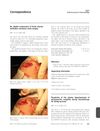 2 citations
,
August 2013 in “British Journal of Dermatology”
2 citations
,
August 2013 in “British Journal of Dermatology” Chemotherapy improved a girl's painful foot condition linked to pachyonychia congenita.
9 citations
,
October 2025 in “MedComm” PROTACs offer new ways to treat hard-to-target diseases, with promising drugs for cancer in advanced trials.
57 citations
,
November 2024 in “Aggregate” Smart hydrogels can improve diabetic wound healing by adapting to wound conditions and providing controlled treatment.
CRPS I is complex, linked to immune and nerve issues, and needs comprehensive treatment.
 August 1995 in “Journal of The European Academy of Dermatology and Venereology”
 New therapy helps treat hair loss.
 October 2025 in “Frontiers in Immunology”
 Platelet-rich plasma might help treat eczema by reducing inflammation and repairing the skin.
 March 2026 in “Zenodo (CERN European Organization for Nuclear Research)”
 Restoring cell communication can treat tissue disorders.
 March 2026 in “Zenodo (CERN European Organization for Nuclear Research)”
 Restoring cell communication can treat tissue disorders.
 December 2023 in “Medical Times”
 The MEST method increases cell yield and volume for regenerative medicine but needs more testing.
May 2026 in “Chemical Engineering Journal” 5 citations
,
July 2022 in “Frontiers in Medicine” Combining microneedle-delivered ECM and radiofrequency improves skin elasticity and thickness more than ECM alone.
 February 2024 in “Advanced Functional Materials”
 The hydrogel patch helps heal diabetic wounds by releasing a healing agent in response to harmful molecules and improving skin regeneration.
 September 2022 in “Dermatology and therapy”
 Contact immunotherapy might help treat various skin conditions, but more research is needed to confirm its safety and effectiveness.