January 2022 in “eJournal Kedokteran Indonesia” Both treatments are similarly effective, but paclitaxel-carboplatin is cheaper and has more severe side effects.
 5 citations
,
January 2013 in “Journal der Deutschen Dermatologischen Gesellschaft”
5 citations
,
January 2013 in “Journal der Deutschen Dermatologischen Gesellschaft” The document concludes that individualized treatment for malignant epithelial tumors is necessary and more research on metastatic squamous cell carcinoma treatments is needed.
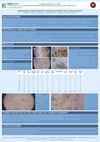
More research is needed to understand chemotherapy-induced hair loss and its phases.
 September 2023 in “Curēus”
 Reproductive hormones play a crucial role in breast cancer development and treatment challenges.
7 citations
,
November 2016 in “Oncotarget” UV exposure reduces Lgr6+ stem cells in mouse skin and they don't significantly contribute to skin cancer development.
 24 citations
,
November 2023 in “Nature”
24 citations
,
November 2023 in “Nature” The extracellular matrix affects where tumors can start in the body.
 438 citations
,
October 2010 in “Oncogene”
438 citations
,
October 2010 in “Oncogene” Keratins help protect cells, aid in cancer diagnosis, and influence cancer behavior and treatment.
 June 2017 in “Journal of evolution of medical and dental sciences”
 About 22% of cancer patients had skin-related side effects from chemotherapy, but these were usually not severe enough to halt treatment.
2 citations
,
July 2017 in “Oman medical journal” A man with a rare adrenal cancer showed unusual symptoms and died four months after diagnosis.
 October 2024 in “Frontiers in Oncology”
 Keratin 18 helps diagnose and predict cancer progression and affects cancer growth and spread.
 October 2023 in “bioRxiv (Cold Spring Harbor Laboratory)”
 Blocking both main energy pathways can stop hair follicle stem cell-induced skin cancer growth.
37 citations
,
June 2004 in “Human molecular genetics online/Human molecular genetics” The HCR gene contributes to psoriasis risk.
 53 citations
,
May 2001 in “The American journal of the medical sciences”
53 citations
,
May 2001 in “The American journal of the medical sciences” Chemotherapy can cause various skin problems, and recognizing them helps improve patient care.
65 citations
,
November 2013 in “The EMBO Journal” HDAC1 is crucial for skin development and preventing tumors.
February 2025 in “Chemico-Biological Interactions” 5-Fluorouracil causes hair loss by blocking signals needed for hair growth.
 69 citations
,
February 2021 in “PLoS Computational Biology”
69 citations
,
February 2021 in “PLoS Computational Biology” Securinine and ajmaline may effectively treat liver cancer, with securinine being less toxic to normal cells.

New cancer drugs can cause skin side effects like rashes, dry skin, hair changes, and nail problems.

Chemotherapy can cause skin issues and hair loss, and this guide explains how to manage them.
 April 2016 in “Journal of Investigative Dermatology”
 SOX4 is crucial for the development of melanoma.
13 citations
,
September 2017 in “Life sciences” Androgens may influence bladder cancer progression by affecting cellular behavior.
2 citations
,
November 2022 in “bioRxiv (Cold Spring Harbor Laboratory)” Mutant stem cells adapt their metabolism differently to outcompete normal cells in the skin.
5 citations
,
March 2020 in “Thoracic Cancer” CT-707 is effective and safe for treating certain Chinese lung cancer patients.
August 2017 in “Academic Commons (Stony Brook University)” Acer1 is essential for skin health and affects hair growth and skin cancer risk.
 25 citations
,
January 2011 in “Annals of Dermatology”
25 citations
,
January 2011 in “Annals of Dermatology” Erlotinib can cause hair loss as a side effect.
April 2010 in “Cancer Research” Basal cell carcinomas may use IDO to protect themselves from the immune system.
15 citations
,
March 2018 in “Cancer Medicine” Alopecia areata patients have varied cancer risks, with some cancers being lower and others higher.
19 citations
,
June 2020 in “BMC Cancer” Trichilemmal carcinoma shares genetic changes with other skin cancers, suggesting similar causes and potential treatments.
3 citations
,
November 2022 in “Frontiers in Oncology” Melanin may help melanoma cells grow by aiding their metabolism.
1 citations
,
November 2025 in “Neuro-Oncology” Safusidenib erbumine shows promise as a treatment for certain brain tumors, but mild side effects like hair loss need attention.
 133 citations
,
May 2016 in “Cell Host & Microbe”
133 citations
,
May 2016 in “Cell Host & Microbe” Human dermal fibroblasts are the main cells targeted by a virus that can cause a deadly skin cancer, and a certain inhibitor can effectively block this infection.