September 1999 in “Molecular Carcinogenesis” Increased ODC expression makes normally tumor-resistant mice more prone to tumor development.
January 2025 in “Indian Journal of Experimental Biology” Carbon black nanoparticles can harm liver and kidney function in mice.
22 citations
,
December 2015 in “The journal of investigative dermatology/Journal of investigative dermatology” A mouse gene mutation increases the risk of skin cancer.
 35 citations
,
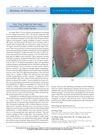
May 2008 in “Journal of Clinical Oncology”
35 citations
,
May 2008 in “Journal of Clinical Oncology” A cancer patient died from a severe skin reaction after taking the drug cetuximab.
 9 citations
,
July 2008 in “Oncology Reports”
9 citations
,
July 2008 in “Oncology Reports” HPV16-transformed cells can change human skin cell properties, aiding tumor growth.
7 citations
,
October 2011 in “BMC Cancer” Overexpression of HDGF in melanocytes does not cause cancer.
December 2025 in “Biomolecules” Compound 7p shows strong potential as an anticancer agent.
1 citations
,
May 2025 in “Cytotechnology” Icariside II may help treat gastric cancer by stopping tumor growth.
24 citations
,
January 2001 in “International Journal of Cancer” Permanent hair dye use may increase bladder cancer risk, especially in female smokers with certain genetic traits.
 2 citations
,
May 2023 in “Cancer medicine”
2 citations
,
May 2023 in “Cancer medicine” KRT80 may worsen cancer by increasing growth and spread, but its full effects on treatment and outcomes need more research.
July 2017 in “Cancer Research” Krt15+ cells in mice can resist radiation, regenerate tissue, and start tumors, suggesting new cancer treatment targets.
 1 citations
,
September 2024 in “International Journal of Advanced Multidisciplinary Research and Studies”
1 citations
,
September 2024 in “International Journal of Advanced Multidisciplinary Research and Studies” Chemotherapy with carboplatin-paclitaxel causes hair loss in all patients.
8 citations
,
August 2014 in “Biochemical and Biophysical Research Communications” ODC overexpression in hair cells increases tumor growth by reducing Notch signaling.
28 citations
,
May 2000 in “Proceedings of the National Academy of Sciences” The Walleye dermal sarcoma virus cyclin causes excessive skin cell growth in mice.
35 citations
,
February 2002 in “Journal of Radiological Protection” Caffeine reduces radiation skin damage but doesn't affect tumor treatment.
 44 citations
,
April 2006 in “Expert opinion on drug safety”
44 citations
,
April 2006 in “Expert opinion on drug safety” Gefitinib can cause skin problems, diarrhea, and nausea, but rarely causes severe lung disease or hair loss.
136 citations
,
March 1998 in “Oncogene” Overexpression of E2F1 can lead to skin tumors and disrupt hair growth.
333 citations
,
March 2000 in “Proceedings of the National Academy of Sciences” Overexpressing GLI-1 in mice skin can cause tumors like human basal cell carcinomas.
 March 2026 in “Dermatopathology”
 Different types of skin gland tumors have unique genetic traits, which can guide personalized treatments.
 8 citations
,
November 2013 in “PLOS ONE”
8 citations
,
November 2013 in “PLOS ONE” Cells with active Wnt signaling are less likely to turn into cancer when exposed to a cancer-causing gene.

Inhibiting AP-1 changes skin tumor types and affects tumor cell identity.
44 citations
,
March 2012 in “Molecular Carcinogenesis” Keratin 15 cells from hair follicles help develop and maintain skin tumors in mice.
March 2026 in “The Journal of Steroid Biochemistry and Molecular Biology” Deleting vitamin D and calcium receptors in skin cells increases skin cancer risk by reducing DNA repair and stress response.
26 citations
,
January 1992 in “Carcinogenesis” TPA strongly increases ODC activity in certain skin cells, potentially aiding tumor growth.
Loss of the p53 gene alone causes tumors, and losing both p53 and Rb genes speeds up aggressive skin cancer.
64 citations
,
March 2004 in “Journal of Clinical Investigation” Targeting ornithine decarboxylase can help prevent skin cancer.
56 citations
,
August 2011 in “Best Practice & Research Clinical Gastroenterology” Cancer prevention has progressed with successful drugs and vaccines, but challenges remain in understanding genetic changes and improving strategies.
45 citations
,
March 1997 in “Journal of Investigative Dermatology” 7 citations
,
September 2006 in “Molecular Carcinogenesis” Homozygous K5Cre transgenic mice have wavy hair and faster cancer progression.
33 citations
,
March 1994 in “PubMed” High ODC and low K1 and K10 may indicate early skin tumors in mice.