January 2021 in “Open MIND” Hormone therapy in transgender people requires careful monitoring due to potential health risks and lack of standardized test values.
 October 2004 in “Australian Prescriber”
 Lifestyle changes are more effective than metformin for reducing type 2 diabetes risk.
 October 2004 in “Australian Prescriber”
 Lifestyle changes are more effective than medication for reducing type 2 diabetes risk.
 October 2004 in “Australian Prescriber”
 Lifestyle changes are more effective than medication for reducing type 2 diabetes risk.
 24 citations
,
January 2015 in “International Journal of Trichology”
24 citations
,
January 2015 in “International Journal of Trichology” Early balding in young Indian men may indicate a higher risk of metabolic syndrome and potential heart disease.
December 2021 in “International Journal of Research in Dermatology” Men with early-onset hair loss have a higher risk of metabolic syndrome.
13 citations
,
November 2016 in “The Journal of urology/The journal of urology” Dutasteride is as safe for the heart as finasteride.
8 citations
,
August 2013 in “PubMed” Men with early-onset hair loss have a higher risk of metabolic syndrome.

Higher doses of 5α-reductase inhibitors reduce mortality risk, while lower doses increase suicide risk.
 75 citations
,
January 2014 in “Korean Journal of Urology”
75 citations
,
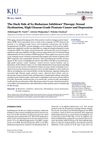
January 2014 in “Korean Journal of Urology” 5α-reductase inhibitors can cause sexual problems, higher risk of aggressive prostate cancer, and depression.
 August 2015 in “Postgraduate obstetrics & gynecology”
 Women with PCOS often have metabolic issues like insulin resistance and a higher risk of diabetes and abnormal lipid levels.
 4 citations
,
June 2011 in “PubMed”
4 citations
,
June 2011 in “PubMed” Alopecia should be treated as a medical condition because it may increase the risk of serious diseases and psychological issues.
91 citations
,
July 2022 in “Frontiers in Endocrinology” Different PCOS characteristics affect lipid profiles, increasing cardiovascular disease risk, so regular lipid screening is advised.
 75 citations
,
June 1999 in “Pediatric Clinics of North America”
75 citations
,
June 1999 in “Pediatric Clinics of North America” The document concludes that early recognition and treatment of PCOS in adolescents is crucial for managing symptoms and long-term health risks.
 15 citations
,
December 2016 in “Revista Da Associacao Medica Brasileira”
15 citations
,
December 2016 in “Revista Da Associacao Medica Brasileira” Polycystic ovary syndrome is a common hormonal disorder in women, linked to increased risk of metabolic and heart diseases, and needs more research for better understanding and treatment.
 3 citations
,
January 2007 in “Elsevier eBooks”
3 citations
,
January 2007 in “Elsevier eBooks” The document concludes that individualized treatment and lifestyle changes are important for managing menopause symptoms and health risks.
The conclusion is that a more comprehensive and precise approach is needed for diagnosing PCOS to address its broader health risks.
 166 citations
,
October 2018 in “Endocrine Reviews”
166 citations
,
October 2018 in “Endocrine Reviews” Hormone treatments for transgender individuals generally improve mental health and physical transition, with some health risks that require medical supervision.
 120 citations
,
October 2007 in “Clinical Interventions in Aging”
120 citations
,
October 2007 in “Clinical Interventions in Aging” Estrogens help reduce skin aging, and SERMs might offer similar benefits without the risks of hormone therapy.
 34 citations
,
January 2014 in “Indian Dermatology Online Journal”
34 citations
,
January 2014 in “Indian Dermatology Online Journal” Hair loss linked to metabolic issues and insulin resistance; early assessment may reduce future health risks.
 5 citations
,
March 2015 in “Women's Health”
5 citations
,
March 2015 in “Women's Health” The document concludes that diagnosing PCOS requires a thorough approach, considering various symptoms and risks, and calls for improved methods to identify PCOS types and prevent diabetes.
 3 citations
,
August 2017 in “International journal of reproduction, contraception, obstetrics and gynecology”
3 citations
,
August 2017 in “International journal of reproduction, contraception, obstetrics and gynecology” People with PCOS have higher levels of PAI-1, which may increase their risk of heart disease and fertility issues.
2 citations
,
September 2013 in “Journal of the Turkish-German Gynecological Association” Drugs for PCOS can affect metabolism, so understanding their effects is important for managing health risks.
 May 2026 in “Zenodo (CERN European Organization for Nuclear Research)”
 PCOS is influenced by genetics and lifestyle, causing hormonal imbalances and health risks like diabetes and infertility.
 May 2026 in “Zenodo (CERN European Organization for Nuclear Research)”
 PCOS is influenced by genetics and lifestyle, causing hormonal imbalances and health risks like diabetes and infertility.
 November 2024 in “International Society of Hair Restoration Surgery”
 Systemic minoxidil is generally safe for older adults, but caution is needed for those with heart risks.
 January 2012 in “S. Karger AG eBooks”
 The document concludes that transsexual individuals often experience improved quality of life after transitioning, despite higher risks of psychiatric issues and mortality.
 69 citations
,
April 2010 in “British Journal of Dermatology”
69 citations
,
April 2010 in “British Journal of Dermatology” Balding men, especially young ones, may have higher risk of heart issues and diabetes; check cholesterol levels.
 17 citations
,
January 2014 in “Journal of Clinical and Diagnostic Research”
17 citations
,
January 2014 in “Journal of Clinical and Diagnostic Research” Patients with oral lichen planus or oral lichenoid reactions had worse cholesterol levels and a higher risk of obesity compared to healthy individuals.
 15 citations
,
October 2010 in “International Journal of Dermatology”
15 citations
,
October 2010 in “International Journal of Dermatology” Women with AGA have higher lipid levels, increasing heart disease risk.