 7 citations
,
February 2018 in “InTech eBooks”
7 citations
,
February 2018 in “InTech eBooks” Biomaterials combined with stem cells show promise for improving tissue repair and medical treatments.
 17 citations
,
August 2024 in “Discover Nano”
17 citations
,
August 2024 in “Discover Nano” Polyesters show promise for repairing damaged blood vessels.
 January 2024 in “Regenerative Biomaterials”
 Metal organic frameworks-based scaffolds show promise for tissue repair due to their unique properties.
 15 citations
,
January 2014 in “BioMed Research International”
15 citations
,
January 2014 in “BioMed Research International” Heparin and protamine are promising in tissue repair and organ regeneration, including skin and hair.
 14 citations
,
May 2021 in “Marine Drugs”
14 citations
,
May 2021 in “Marine Drugs” PDRN, derived from salmon sperm, shows promise in healing wounds, reducing inflammation, and regenerating tissues, but more research is needed to understand its mechanisms and improve its use.
 6 citations
,
April 2025 in “Plastic and Aesthetic Research”
6 citations
,
April 2025 in “Plastic and Aesthetic Research” Biomaterial characteristics can influence macrophages to promote healing and improve tissue regeneration.
 December 2025 in “Journal of Pharma Insights and Research.”
 Injectable cryogels can deliver drugs and aid tissue repair with minimal surgery.
 53 citations
,
September 2020 in “Stem Cell Research & Therapy”
53 citations
,
September 2020 in “Stem Cell Research & Therapy” New methods to improve the healing abilities of mesenchymal stem cells for disease treatment are promising but need more research.
 2 citations
,
January 2008 in “Elsevier eBooks”
2 citations
,
January 2008 in “Elsevier eBooks” Humans have limited regenerative abilities, but new evidence shows the adult brain and heart can regenerate, and future treatments may improve this by mimicking stem cell environments.
 39 citations
,
April 2019 in “Journal of Biomaterials Science, Polymer Edition”
39 citations
,
April 2019 in “Journal of Biomaterials Science, Polymer Edition” RADA16 is a promising material for tissue repair and regenerative medicine but needs improvement in strength and cost.
3 citations
,
July 2025 in “Gels” Engineered protein hydrogels improve medical treatments by mimicking natural body structures.
75 citations
,
September 2015 in “Acta biomaterialia” Alkylation of human hair keratin allows for adjustable drug release rates in hydrogels for medical use.
70 citations
,
April 2020 in “Journal of Molecular Cell Biology” Organoid technology helps create mini-organs for studying diseases and testing drugs.
 29 citations
,
April 2020 in “Biomolecules”
29 citations
,
April 2020 in “Biomolecules” The 3D scaffold helped maintain hair cell traits and could improve hair loss treatments.
 26 citations
,
March 2013 in “Journal of Biomedical Materials Research Part A”
26 citations
,
March 2013 in “Journal of Biomedical Materials Research Part A” Researchers created a 3D hydrogel that mimics human hair follicles, which may help with hair loss treatments.
 15 citations
,
January 2020 in “ACS Applied Materials & Interfaces”
15 citations
,
January 2020 in “ACS Applied Materials & Interfaces” Nanofiber structure helps regenerate hair follicles.
 11 citations
,
August 2018 in “Facial Plastic Surgery Clinics of North America”
11 citations
,
August 2018 in “Facial Plastic Surgery Clinics of North America” Adipose-derived stem cells show potential for skin rejuvenation and wound healing but require more research to overcome challenges and ensure safety.

Mesenchymal stem cells from laser-assisted liposuction are as effective and safe as those from conventional methods for cell therapy.

PlacMA hydrogels from human placenta are versatile and useful for cell culture and tissue engineering.
 418 citations
,
September 2012 in “Nature”
418 citations
,
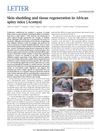
September 2012 in “Nature” African spiny mice can regenerate skin, hair, and cartilage, but not muscle, and their unique abilities could be useful for regenerative medicine.
294 citations
,
January 2016 in “Stem Cells International” Adipose-derived stem cells are promising for tissue and organ repair due to their easy access and versatility.
 262 citations
,
May 2017 in “Nanomedicine”
262 citations
,
May 2017 in “Nanomedicine” New nanofiber technology improves wound healing by supporting cell growth and delivering treatments directly to the wound.
89 citations
,
January 2021 in “Molecules” Biopolymeric composites need advanced properties for better use in medicine and healing.
 55 citations
,
October 2009 in “Clinics in Plastic Surgery”
55 citations
,
October 2009 in “Clinics in Plastic Surgery” Burn reconstruction improves with new techniques, materials, and tissue engineering.
 51 citations
,
November 2013 in “Drug Discovery Today”
51 citations
,
November 2013 in “Drug Discovery Today” Small molecule drugs show promise for advancing regenerative medicine but still face development challenges.
 47 citations
,
July 2013 in “Pharmacological Reviews”
47 citations
,
July 2013 in “Pharmacological Reviews” Regenerative pharmacology, which combines drugs with regenerative medicine, shows promise for repairing damaged body parts and needs more interdisciplinary research.
 43 citations
,
July 2019 in “Stem Cells International”
43 citations
,
July 2019 in “Stem Cells International” Advancements in creating skin grafts with biomaterials and stem cells are promising, but more research is needed for clinical application.
 38 citations
,
February 2016 in “Surgery Journal”
38 citations
,
February 2016 in “Surgery Journal” Facial plastic surgery has evolved to focus on less invasive techniques and innovative technologies for cosmetic and reconstructive procedures.
30 citations
,
May 2019 in “Medicinal Research Reviews” Combining stem cells and targeted treatments can improve muscle and skin healing after cleft repair.
 18 citations
,
July 2021 in “Molecular Medicine Reports”
18 citations
,
July 2021 in “Molecular Medicine Reports” The WNT signaling pathway is crucial for mesenchymal stem cells' function and therapy success.