
Various substances, quitting smoking, and certain topical applications can enhance the survival of skin flaps used in surgery. Oxygen-free radicals play a role in tissue injury, but certain treatments can have beneficial effects.
 161 citations
,
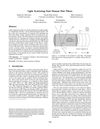
July 2003 in “ACM Transactions on Graphics”
161 citations
,
July 2003 in “ACM Transactions on Graphics” Researchers developed a new model for more realistic computer graphics rendering of hair by considering how light scatters on hair fibers.
 January 2013 in “Transactions of the Materials Research Society of Japan”
 CMADK reduces hair damage from bleaching and permanent waving.
 January 1963 in “Stain technology”
 Ziehl-Neelsen's stain helps identify different parts of hair in sheep and goats.
May 2010 in “Faculty Opinions – Post-Publication Peer Review of the Biomedical Literature” A mutation in the KRT74 gene causes woolly hair by affecting hair texture.
 2 citations
,
January 2004 in “PubMed”
2 citations
,
January 2004 in “PubMed” Conditioners with PQ-10 soften the flat part of hair cuticles but harden the edges.
July 2009 in “International Journal of Cosmetic Science” Japanese women's curved hair has an uneven internal structure and varied amino acid composition.
November 2025 in “Skin Health and Disease” Autosomal recessive woolly hair is rare and involves tightly coiled hair without other health issues.
January 2026 in “Majmaah Journal of Health Sciences” Female hair loss in Saudi Arabia negatively impacts women's well-being and quality of life.
4 citations
,
February 2015 in “PubMed” The hair fiber filler product increased satisfaction and improved quality of life for people with thinning hair.
 April 2008 in “Expert review of dermatology”
 Mutations in the P2RY5 gene cause hereditary woolly hair.

Certain gene variations in sheep are linked to stronger wool.
16 citations
,
January 2018 in “Advances in experimental medicine and biology” Hair and wool have diverse keratins and keratin-associated proteins.
January 2020 in “International journal of agriculture & biology/International journal of agriculture and biology” Wool traits in sheep are controlled by many genes and environmental factors.
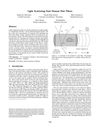
Researchers developed a new model for more realistic computer graphics of hair by considering how light scatters on hair fibers.
 21 citations
,
January 1995 in “Journal of the American Institute for Conservation”
21 citations
,
January 1995 in “Journal of the American Institute for Conservation” A new method extracts red dyes from wool without damaging it, although it slightly weakens the wool.
22 citations
,
November 2014 in “Proteins Structure Function and Bioinformatics” Cysteines in wool fibers are accessible and form important disulfide bonds.
3 citations
,
May 1991 in “Journal of Investigative Dermatology” 1 citations
,
January 2025 in “Poultry Science” Pekin duck skin quality improves with age, peaking at 5-6 weeks.
5 citations
,
March 2017 in “Gene” CAP1 decreases the expression of a hair-related protein in young Tan sheep's skin.
 December 2023 in “Data in Brief”
 Curly hair's strength and flexibility vary with moisture and temperature.
 8 citations
,
November 2022 in “International Journal of Cosmetic Science”
8 citations
,
November 2022 in “International Journal of Cosmetic Science” Human hair varies widely and should be classified by curl type rather than race.
 5 citations
,
May 1983 in “Australian journal of biological sciences”
5 citations
,
May 1983 in “Australian journal of biological sciences” Certain amino acid analogues can inhibit wool and hair growth and affect fiber strength.
 2 citations
,
January 2001 in “Dermatologic Surgery”
2 citations
,
January 2001 in “Dermatologic Surgery” Poliglecaprone 25 is better than steel staples for hair transplant surgery, causing less discomfort and finer scars.
 January 2024 in “Seven Editora eBooks”
 Different techniques measure hair properties to ensure cosmetic products work.
 December 2022 in “Himi, himijn tehnologijn hùrèèlèngijn èrdèm šinžilgèènij bùtèèl”
 Hair products with copper and zinc enriched yeast made hair thicker and denser.
 13 citations
,
March 2019 in “Journal of cosmetic dermatology”
13 citations
,
March 2019 in “Journal of cosmetic dermatology” Heat damages hair, with Asian hair losing more protein than Caucasian hair.
67 citations
,
January 1992 in “Journal of Investigative Dermatology” 13 citations
,
January 2012 in “Dermatologic surgery” The trichometer is a quick and reliable tool for measuring hair quantity.
170 citations
,
January 2010 in “animal” Hair follicle growth and fiber production in animals are influenced by chemical signals, proteins, pigmentation, genetics, and nutrients.