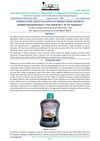
 January 2024 in “International Research Journal of Modernization in Engineering Technology and Science”
 The herbal shampoo effectively cleans and conditions hair while being non-toxic and reducing allergic reactions.
 January 2024 in “Journal of chemical health risks”
 Gold nanoparticles show promise for treating inflammatory bowel disease by reducing inflammation and colon injury.
 September 2023 in “HAL (Le Centre pour la Communication Scientifique Directe)”
 Peptide nanoparticles can effectively deliver CRISPR-Cas9 to target KRAS mutations in cancer.
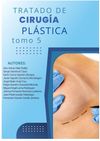 June 2023 in “Juan Cuevas eBooks”
 Personalized care and evaluation are crucial for successful plastic surgery outcomes.

More research is needed to confirm the potential of various treatments, including Helichrysum plicatum, vitamins, bromelain, personalized medications, hydrogels, and bacteriophage therapy.
 January 2023 in “Postępy Dermatologii i Alergologii”
 Azelaic acid treats acne, rosacea, and hyperpigmentation with minimal side effects.
 January 2022 in “European Proceedings of Life Sciences”
 Understanding genetic traits can help doctors create personalized detox and nutrition plans to boost antioxidant protection.
 January 2022 in “International Journal of Medical Research”
 Chemotherapy harms healthy cells, causing side effects like hair loss and reduced immunity.

Cepharanthine and tetrandrine show promise as COVID-19 drugs.
 January 2021 in “Middle East journal of applied sciences”
 Zinc is essential for plant growth and human health, but many soils lack enough zinc, affecting crops and potentially leading to health problems.
 January 2019 in “Applied Organometallic Chemistry”
 The compound (NH4)2Mn0.17Cu0.83Cl4.2H₂O has a specific structure, shows weak magnetism at low temperatures, and undergoes phase changes at high temperatures.
 January 2016 in “Springer eBooks”
 New materials and methods could improve skin healing and reduce scarring.
 October 2015 in “Cosmetic Dermatology”
 Hair straightening changes hair structure and can cause damage if done wrong, but improvements in the methods are expected to continue.

Higher cholesterol levels increase aggressive prostate cancer risk.
 March 2010 in “Cosmetic Dermatology”
 Hair straightening methods have advanced to improve effectiveness and reduce damage, but still rely on heat and chemicals.
 June 2008 in “Dermatologic Surgery”
 Hydrogen peroxide may have both positive and negative effects on wound healing, and its safe concentration for hair transplant surgery is unclear.
 April 2018 in “Journal of Chromatographic Science”
 Finasteride's stability and safety confirmed through precise analytical methods.
2 citations
,
January 2018 in “Biomolecules & therapeutics” Polyamidoamine dendrimers can change the strength and direction of electroosmotic flow through the skin, affecting drug delivery.

The research shows how certain drugs can form stable structures with polymers, which is important for making new pharmaceuticals.
June 2026 in “ACS Applied Materials & Interfaces” Dandelion-derived carbon dots effectively kill bacteria and speed up wound healing.
November 2012 in “Journal of Clinical Pathology” 1 citations
,
April 2013 in “Journal of Investigative Dermatology”  July 2026 in “International Journal of Applied Pharmaceutics”
 Hair dyes, especially with PPD, can cause skin and rare systemic reactions, and safer alternatives are needed.
6 citations
,
January 2020 in “Elsevier eBooks” Nanoparticles could make hair dyes safer by reducing harmful effects.
 October 2023 in “Journal of Molecular Liquids”
 A new method using imidazole-based liquids efficiently extracts keratin from yak hair.

The research shows how certain drug molecules form stable structures with polymers, which could help create new drug forms.
 29 citations
,
November 2013 in “Expert Review of Dermatology”
29 citations
,
November 2013 in “Expert Review of Dermatology” Sensitive skin often causes discomfort, affects many people, especially women and older adults, and should be managed with careful product selection.
 23 citations
,
January 2014 in “Molecular Therapy”
23 citations
,
January 2014 in “Molecular Therapy” Applying a special DNA plasmid to the skin can make it thicker and stronger.
 June 2026 in “Journal of Biological Engineering”
 Stem cell therapies are advancing quickly with new technologies and need supportive regulations for clinical use.
 January 2025 in “il Diabete”
 Targeted drug delivery to pancreatic beta-cells can improve type 2 diabetes treatment.