 16 citations
,
April 2012 in “Journal of mammalogy”
16 citations
,
April 2012 in “Journal of mammalogy” Young female Australian fur seals are losing hair due to low tyrosine and zinc levels and high pollution exposure.
 5 citations
,
October 2018 in “Research in psychotherapy”
5 citations
,
October 2018 in “Research in psychotherapy” The Italian version of a relationship scale was adapted for cancer patients, showing some differences from the original and suggesting its use could improve therapy and treatment adherence.
PROMETHEUS helps organize and evaluate causal claims from large language models.
Drinking sweetened tea and late bedtimes increase the risk of hair loss in women.
Drinking sweetened tea and poor sleep habits increase the risk of hair loss in women.
Drinking sweetened tea and poor sleep habits may increase the risk of hair loss in women.
Drinking sweetened tea and late bedtimes increase the risk of hair loss in women.
Drinking sweetened tea and poor sleep increase the risk of hair loss in women.
 1 citations
,
May 2018 in “Psychology, Health & Medicine”
1 citations
,
May 2018 in “Psychology, Health & Medicine” The two-factor model fits better for Chinese patients' understanding of illness causes than the original four-factor model.
 25 citations
,
April 2021 in “npj Regenerative Medicine”
25 citations
,
April 2021 in “npj Regenerative Medicine” Mathematical modeling can improve regenerative medicine by predicting biological processes and optimizing therapy development.
 1 citations
,
April 2025 in “Romanian Journal of Ophthalmology”
1 citations
,
April 2025 in “Romanian Journal of Ophthalmology” Minoxidil might cause eye issues, so early detection is important.
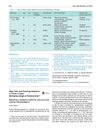 2 citations
,
November 2015 in “Actas Dermo-Sifiliográficas”
2 citations
,
November 2015 in “Actas Dermo-Sifiliográficas” The document suggests a possible link between mast cells and scarring alopecia, recommending more research for potential treatments.
 3 citations
,
June 2021 in “Journal of affective disorders”
3 citations
,
June 2021 in “Journal of affective disorders” Hair cortisol and cortisone levels may affect how work stress influences depression in Chinese fishermen.
 1 citations
,
July 2025 in “Science & Education”
1 citations
,
July 2025 in “Science & Education” The framework helps people evaluate scientific information for specific needs.
 93 citations
,
January 2016 in “British Journal of Dermatology”
93 citations
,
January 2016 in “British Journal of Dermatology” Eating a high-glycemic diet may worsen acne by increasing certain protein levels and expressions in the skin.
December 2025 in “Medicine” Glutamine may protect against alopecia areata, while certain cholesterol and glucose levels may increase risk.
September 2024 in “Medicine” Alopecia areata may protect against graft dysfunction, while asthma may increase its risk.
 July 2024 in “Clinical Cosmetic and Investigational Dermatology”
 Certain immune cells are linked to non-scarring hair loss, suggesting potential for immune-targeted treatments.
 June 2018 in “Biomedical Journal of Scientific and Technical Research”
 Men with lower 2nd to 4th finger ratios tend to have larger sinus volumes.
June 2025 in “Journal of Cosmetic Dermatology” Alopecia areata is linked to higher anxiety and depression, especially in younger women in certain countries.
September 2025 in “Frontiers in Microbiology” Modifying gut bacteria may help treat and prevent osteoarthritis.
 April 2025 in “Health Science Reports”
 Smoking and lighter hair color increase alopecia risk, especially in women and those over 25.
 37 citations
,
October 2021 in “Nutrients”
37 citations
,
October 2021 in “Nutrients” Vitamin D might help regulate insulin in the body, but taking Vitamin D supplements doesn't clearly prevent or improve type 2 diabetes. More research is needed.
 10 citations
,
August 2022 in “Journal of clinical sleep medicine”
10 citations
,
August 2022 in “Journal of clinical sleep medicine” Transgender youth have more sleep disorders, but gender-affirming therapy may help reduce them.
August 2025 in “Annals of the Rheumatic Diseases” SLE is likely one disease with various symptoms, not multiple distinct diseases.

Drinking sweetened tea and soda and poor sleep may increase the risk of hair loss in women.
 December 2024 in “Archives of Dermatological Research”
 COVID-19 vaccines do not increase the risk of alopecia areata.
4 citations
,
June 2025 in “Cell Reports” Clonally expanded CD8+ T cells cause alopecia areata.
15 citations
,
March 2023 in “BioMed” MIS-A is a severe complication after COVID-19, mostly in young black males, needing more research and awareness.