22 citations
,
September 2003 in “Journal of Investigative Dermatology” New mutations in the EBP gene cause CDPX2, affecting bones, skin, eyes, and hair, with females generally less affected than males.
 11 citations
,
August 2019 in “Journal of Molecular Histology”
11 citations
,
August 2019 in “Journal of Molecular Histology” NFIC helps rat dental cells grow and turn into bone-like cells.
November 2020 in “Journal of animal science/Journal of animal science ... and ASAS reference compendium” Certain genetic variants in PRLR and PCCA genes may lead to shorter hair in cattle, which could help with heat tolerance.
 14 citations
,
February 2021 in “Experimental Dermatology”
14 citations
,
February 2021 in “Experimental Dermatology” Cannabinoid receptor-1 signaling is essential for the survival and growth of human hair follicle stem cells.
179 citations
,
June 2000 in “The American journal of pathology” The absence of functional sebaceous glands causes hair follicle destruction and scarring alopecia.
3 citations
,
May 2024 in “BMC Medical Genomics” A new ARID1B gene variation causes Coffin-Siris syndrome 1 and early high myopia in a Chinese family.
20 citations
,
April 2000 in “Experimental dermatology” ODC transgenic mice can model human hair loss with skin lesions.
 8 citations
,
February 2015 in “Cellular immunology”
8 citations
,
February 2015 in “Cellular immunology” Deleting Snai2 and Snai3 causes fatal autoimmunity.
5 citations
,
June 2012 in “Journal of Investigative Dermatology” A new mouse model for vitiligo helps study immune responses and potential treatments.
 33 citations
,
January 2018 in “International Journal of Biological Sciences”
33 citations
,
January 2018 in “International Journal of Biological Sciences” CRISPR-Cas9 can successfully edit genes in large mammals like Cashmere goats.
2 citations
,
January 2025 in “Development” BMP5 is essential for ear cartilage cell growth in rodents.
35 citations
,
October 2002 in “Biochemical and Biophysical Research Communications” The research cloned keratin 7 genes from humans, mice, and marsupials, found similarities between human and mouse genes, and discovered new areas of K7 expression in mice.
 1 citations
,
January 2015 in “Case reports in endocrinology”
1 citations
,
January 2015 in “Case reports in endocrinology” Women with nonclassical congenital adrenal hyperplasia may have a higher risk of fertility issues and miscarriages, and should get genetic counseling.
May 2023 in “The Journal of Immunology” Alopecia areata involves unique activation of certain immune cells.
5 citations
,
February 1981 in “Experientia” A new gene causes hairlessness and skin cysts in rats.
1 citations
,
June 2018 in “World rabbit science” Different miRNAs in Rex rabbit skin affect cell processes and hair growth.
37 citations
,
January 2006 in “Carcinogenesis” Antizyme slows skin tumor growth by reducing cell growth in mice.
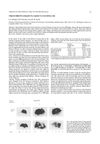 10 citations
,
May 1986 in “Experientia”
10 citations
,
May 1986 in “Experientia” Too much zinc in the diet can cause hair loss and color change in young mice by reducing copper in the body.
11 citations
,
November 2015 in “Carcinogenesis” Deleting TNFα gene reduces skin cancer risk in certain mice.
1 citations
,
January 2024 in “International Journal of Epidemiology” The study aims to find new risk factors and early signs for heart and brain diseases to improve prevention and management.
 2 citations
,
August 2022 in “Frontiers in Veterinary Science”
2 citations
,
August 2022 in “Frontiers in Veterinary Science” The research found key RNA networks that may control hair growth in cashmere goats.
October 2019 in “Asian College of Neuropsychopharmacology”  45 citations
,
January 2010 in “Journal of Veterinary Medical Science”
45 citations
,
January 2010 in “Journal of Veterinary Medical Science” A gene mutation causes curly hair and hair loss in rats.
27 citations
,
November 2007 in “Genomics” Mutations in specific keratin genes cause improper hair structure in mice due to faulty keratin protein assembly.
335 citations
,
March 2004 in “Development” Temporary activation of β-catenin can create new hair follicles, but ongoing activation is needed to keep hair follicle tumors.
October 2019 in “Al Mustansiriyah Journal of Pharmaceutical Sciences” The CTLA-4 gene polymorphism does not affect polycystic ovarian syndrome.
 October 2007 in “Clinical Biochemistry”
 New genotype linked to non-classical congenital adrenal hyperplasia found in Italian siblings.
 5 citations
,
May 2018 in “PloS one”
5 citations
,
May 2018 in “PloS one” Both classical and L-type atypical BSE from cattle can infect goats with different incubation times, and tests can distinguish between the two strains.
 April 2024 in “Histochemistry and cell biology”
 N-acetylcysteine may prevent hair loss caused by chemotherapy.
 218 citations
,
October 2013 in “Proceedings of the National Academy of Sciences of the United States of America”
218 citations
,
October 2013 in “Proceedings of the National Academy of Sciences of the United States of America” Mice lacking the PPARγ gene in their fat cells had almost no fat tissue, severe metabolic problems, and abnormal development of other fat-related tissues.