 January 2025 in “Nature Communications”
 CPK1 helps root hair growth in Arabidopsis by activating channels for calcium signaling.
 June 2023 in “British journal of dermatology/British journal of dermatology, Supplement”
 Congenital alopecia areata may have genetic links and topical corticosteroids are an effective treatment.
 August 2013 in “Gastroenterology”
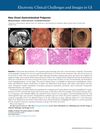
 A 60-year-old man with Cronkhite-Canada syndrome improved with treatment, but the condition has a high mortality rate and a risk of colorectal cancer.
 30 citations
,
June 2012 in “Current Opinion in Endocrinology, Diabetes and Obesity”
30 citations
,
June 2012 in “Current Opinion in Endocrinology, Diabetes and Obesity” Nonclassic congenital adrenal hyperplasia is a genetic disorder causing hormone imbalances, affecting fertility and requiring personalized treatment.
January 2009 in “Epsilon: Revista de la Sociedad Andaluza de Educación Matemática "Thales"” A CCS patient with severe complications was successfully treated using combined therapies.
 July 2018 in “Hair transplant forum international”
 The document's content couldn't be processed.
 July 2016 in “Hair transplant forum international”
 The document's content cannot be summarized because it is not accessible or understandable.
 October 2024 in “Journal of the Endocrine Society”
 Certain genetic variants impair enzyme activity, contributing to non-classic congenital adrenal hyperplasia.

TCA injections are more effective and safer than cryotherapy for treating alopecia areata.

ACA from Alpinia galanga may prevent testosterone-related hair loss.
 February 2024 in “Skin research and technology”
 LC-OCT is a promising tool for diagnosing and monitoring Alopecia areata.
 1 citations
,
January 2015 in “Case reports in endocrinology”
1 citations
,
January 2015 in “Case reports in endocrinology” Women with nonclassical congenital adrenal hyperplasia may have a higher risk of fertility issues and miscarriages, and should get genetic counseling.
 October 2024 in “Journal of the Endocrine Society”
 Certain genetic variants reduce enzyme activity, contributing to non-classic congenital adrenal hyperplasia.
 3 citations
,
January 2024 in “Annals of Dermatology”
3 citations
,
January 2024 in “Annals of Dermatology” The criteria help doctors diagnose and treat alopecia areata more effectively.
July 2005 in “Journal of the American Academy of Dermatology” 93 citations
,
March 2017 in “Molecular Plant” CNGC14 is crucial for calcium entry needed for root hair growth in plants.
1 citations
,
March 2022 in “Frontiers in Medicine” Regular endoscopic checks are crucial for Cronkhite-Canada syndrome patients to catch potential cancers early.
 December 2022 in “Gastroenterology”
 A man with Cronkhite-Canada syndrome improved significantly with immunosuppressive therapy.
July 2024 in “Journal of Investigative Dermatology” CD8+ T cells expand significantly in alopecia areata, suggesting new treatment targets.
 November 2009 in “Journal of Pediatric Nursing”
 Nonclassic congenital adrenal hyperplasia is a common genetic disorder that can cause a range of symptoms and requires personalized treatment.
 March 2024 in “Journal of Experimental & Biomedical Sciences/Biomedical Science Letters”
 BCC can protect heart cells from damage caused by oxidative stress.
56 citations
,
June 2010 in “Clinical and experimental dermatology” Coudability hairs are useful markers for alopecia areata activity.
 26 citations
,
March 2009 in “Dermato-endocrinology”
26 citations
,
March 2009 in “Dermato-endocrinology” The document concludes that diagnosing and treating Congenital Adrenal Hyperplasia is complex and requires a team approach due to its effects on the skin and other symptoms.
March 2026 in “Drug Testing and Analysis” PTeCA is a reliable marker for detecting oxidative hair treatments.
1 citations
,
November 2024 in “Journal of the American Academy of Dermatology” People with celiac disease have a higher risk of developing alopecia areata.
 August 2016 in “Journal of Investigative Dermatology”
 Blocking the CCR5 receptor may be a new way to treat hair loss from alopecia areata.
 August 2023 in “Gastroenterology”
 A 78-year-old man with Cronkhite-Canada syndrome improved significantly after treatment and remains symptom-free.
9 citations
,
February 2023 in “Medicine” Traditional Chinese medicine may help relieve symptoms of Cronkhite-Canada syndrome.
 September 2015 in “Dermatologic Surgery”
 Computer-aided imaging system accurately measures baldness in Chinese women with hair loss.
8 citations
,
April 2017 in “American Journal of Dermatopathology” Inflammation may cause nail issues in Cronkhite–Canada Syndrome.