 10 citations
,
December 2020 in “Experimental and Molecular Pathology”
10 citations
,
December 2020 in “Experimental and Molecular Pathology” miR-133b promotes hair growth and could be a potential treatment for hair loss.
1 citations
,
October 2025 in “PLoS ONE” LncRNA RP11-818O24.3 may help treat hair loss by boosting hair follicle stem cell growth and differentiation.
 February 2025 in “PubMed”
 CS12192 effectively treats alopecia areata with better safety than current options.
Myeloid cells can turn into skin and hair cells to help heal wounds.
1 citations
,
September 2019 in “Journal of Investigative Dermatology” Anti-Desmocollin 3 antibodies can cause pemphigus-like symptoms in mice.
January 2010 in “Journal of Animal Science” Transcutaneous vaccination using nanoparticles can enhance immune responses and reduce basal cell carcinomas.
37 citations
,
January 1986 in “Carcinogenesis” ODC expression in mouse skin and tumors is varied and can be inhibited by retinoic acid or cycloheximide.
April 2012 in “Cancer Research” Stat3 influences keratinocyte stem cell behavior, affecting differentiation and migration.
33 citations
,
October 2006 in “European Journal of Immunology” The CD44-CD49d complex boosts T cell activation and survival in autoimmune disease.
21 citations
,
August 2011 in “BMB Reports” A stable cell line for hair research was created without causing tumors.
4 citations
,
August 2020 in “bioRxiv (Cold Spring Harbor Laboratory)” The tool iCOUNT helps understand how stem cells divide and affect tissue development and repair.
2 citations
,
June 2022 in “International Journal of Molecular Sciences” Lower levels of certain genes in hair cells improve hair loss treatment outcomes.
8 citations
,
August 2025 in “Journal of Translational Medicine” CD44 signaling can help heal wounds without scars.
 24 citations
,
February 2006 in “Chinese Medical Journal”
24 citations
,
February 2006 in “Chinese Medical Journal” Cultured dermal papilla cells can regenerate hair follicles and sustain hair growth.
12 citations
,
April 2017 in “Experimental and Therapeutic Medicine” Patients with severe active alopecia areata have lower CD200 expression and an imbalance in their immune system.
 51 citations
,
August 2013 in “Journal of Investigative Dermatology”
51 citations
,
August 2013 in “Journal of Investigative Dermatology” Human skin cells can create new hair follicles when transplanted into mice.
 September 2025 in “Experimental & Molecular Medicine”
 Small molecules KY19382 and KY19334 may help treat skin cancer by reducing CDK1 levels and blocking harmful cell signals.
13 citations
,
August 2024 in “iScience” 3D spheroid culture makes stem cells better at reducing inflammation.
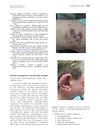
A 72-year-old man was diagnosed with a rare skin form of Rosai-Dorfman disease after years of misdiagnosis.
21 citations
,
April 2008 in “Toxicologic Pathology” CI-1033 causes skin lesions in rats, similar to humans, due to EGF receptor inhibition.
December 2023 in “Journal of Investigative Dermatology” A specific type of immune cell plays a key role in causing alopecia areata and could be a target for treatment.
2 citations
,
August 2016 in “Journal of Investigative Dermatology”  January 2023 in “Turk Dermatoloji Dergisi”
 Injecting a cell suspension from hair follicles increased hair density in a balding patient.
 37 citations
,
April 2017 in “npj Regenerative Medicine”
37 citations
,
April 2017 in “npj Regenerative Medicine” PDGF signaling is crucial for maintaining and renewing hair follicle stem cells, which could help treat hair loss.
 9 citations
,
August 2015 in “Tissue Engineering and Regenerative Medicine”
9 citations
,
August 2015 in “Tissue Engineering and Regenerative Medicine” Human skin cell byproducts can potentially be used to treat hair loss and promote hair growth.
 23 citations
,
June 2015 in “Oncology Letters”
23 citations
,
June 2015 in “Oncology Letters” Adipose-derived stem cell-conditioned medium can reduce melanoma cell growth and spread.
 April 2021 in “Journal of Investigative Dermatology”
 People with atopic dermatitis have more CD4+ T cells that respond to a certain bacterial lipid, which may play a role in the skin condition's inflammation.
July 2024 in “Journal of Investigative Dermatology” Targeting TCR-Vβ2 in cutaneous T cell lymphoma shows promise for safer, more specific treatment.
July 2025 in “Journal of Investigative Dermatology” Enhancing Tregs can protect against alopecia areata.
 18 citations
,
August 2021 in “PLoS ONE”
18 citations
,
August 2021 in “PLoS ONE” Melanocyte progenitor cells are found in human fat tissue and can become mature melanocytes, which may help treat skin issues.