 July 2025 in “The Journal of Dermatology”
 Ritlecitinib has common side effects like headache and acne, and unexpected ones like diabetes and thyroid issues.
July 2023 in “Journal of the ASEAN Federation of Endocrine Societies” GnRH agonist effectively diagnoses and treats postmenopausal hyperandrogenism from ovarian sources.
1 citations
,
July 2025 in “Clinical and Experimental Dermatology” Deucravacitinib led to full hair regrowth in a severe alopecia areata patient.
8 citations
,
July 2003 in “Annals of the Rheumatic Diseases” A 13-year-old girl with various symptoms was successfully treated with an antibiotic called co-trimoxazole.
2 citations
,
May 2024 in “International Journal of Medical Arts” Diphenylcyclopropenone (DPCP) is more effective than anthralin for treating resistant alopecia areata.
January 2026 in “Journal of Ethnopharmacology” Cedrol promotes hair growth better than baricitinib by regulating immune cells.
 February 2016 in “The journal of investigative dermatology/Journal of investigative dermatology”
 JAK inhibitors may help treat alopecia areata by reversing hair loss.
 October 2023 in “Regular and Young Investigator Award Abstracts”
 Baricitinib treatment helped reduce hair loss symptoms in mice by decreasing inflammation-related immune cells.
 March 2025 in “Pediatric Rheumatology”
 Cyclophosphamide is preferred for severe cases in pediatric rheumatology and nephrology despite its side effects.
March 2026 in “British Journal of Dermatology” Deucravacitinib did not significantly improve hair regrowth in alopecia areata patients.
 January 2025 in “Nanoscale”
 Boron/nitrogen-doped carbon nano-onions improve targeted breast cancer treatment by enhancing drug delivery and reducing side effects.
March 2026 in “Stem Cell Reviews and Reports”  12 citations
,
March 2016 in “Life Sciences”
12 citations
,
March 2016 in “Life Sciences” The new chemotherapy combination of WP 631 and Epothilone B shows enhanced effectiveness against ovarian cancer but requires more research on its safety.
![Discovery of (2S)-N-(6-Cyano-5-(Trifluoromethyl)Pyridin-3-Yl)-3-(6-(4-Cyanophenyl)-3,6-Diazabicyclo[3.1.1]Heptan-3-Yl)-2-Hydroxy-2-Methylpropanamide as a Highly Potent and Selective Topical Androgen Receptor Antagonist for Androgenetic Alopecia Treatment](/images/assets/693e7bf6-2325-4ddc-a20f-3470db9f4516/small/25627.jpg) December 2023 in “Journal of Medicinal Chemistry”
December 2023 in “Journal of Medicinal Chemistry” A new topical treatment for hair loss shows strong hair growth effects with low toxicity.
 November 2021 in “Pharmaceutical Sciences”
 New compounds were made and tested, with compound 6 showing potential for treating prostate-related diseases.
 2 citations
,
March 2023 in “Frontiers in medicine”
2 citations
,
March 2023 in “Frontiers in medicine” A 15-year-old boy's severe scalp condition improved significantly with adalimumab and baricitinib treatment.
85 citations
,
January 1996 in “International Journal of Cancer” AS101 reduces hair loss from chemotherapy.
June 2026 in “British Journal of Dermatology” JAK inhibitors can cause severe acne, limiting their use for hair regrowth.
October 1984 in “Immunology Today”  6 citations
,
February 2023 in “Journal of nanobiotechnology”
6 citations
,
February 2023 in “Journal of nanobiotechnology” The new anti-acne treatment HA-P5 effectively reduces acne by targeting two key receptors and avoids an enzyme that can hinder treatment.
44 citations
,
May 1998 in “PubMed” The retinoid receptor antagonist effectively disrupts vitamin A-related development in embryos.
 July 2025 in “SKIN The Journal of Cutaneous Medicine”
 Ritlecitinib is generally safe for alopecia areata patients over 72 months.
Dupilumab helped improve skin and prevent new lesions in a child with a rare immune disorder and severe eczema.
1 citations
,
April 2020 in “Journal of the Endocrine Society” Immunotherapy with pembrolizumab significantly reduced cancer in a young woman with adrenocortical carcinoma.
 April 2019 in “Journal of Investigative Dermatology”
 Increasing COX-2 in mouse skin causes bigger sebaceous glands and thinner hair, but stopping COX-2 can reverse hair thinning.
 3 citations
,
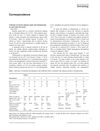
March 2020 in “International Journal of Dermatology”
3 citations
,
March 2020 in “International Journal of Dermatology” Tildrakizumab showed limited effectiveness in treating chronic alopecia areata in a small group of patients.
 January 1988 in “Chemical and Pharmaceutical Bulletin”
 IND-Ca ointment effectively reduces inflammation with minimal skin irritation.

Dacomitinib can cause nail and skin issues, but these can be managed without stopping the drug.
 April 2026 in “International Journal of Clinical Oncology”
 Combining immune checkpoint inhibitors with other cancer therapies increases skin side effects in Asian patients.