47 citations
,
September 2012 in “Human molecular genetics online/Human molecular genetics” Folliculin deficiency causes problems with cell division and positioning due to disrupted RhoA signaling and interaction with p0071.
 March 2011 in “European Urology Supplements”
 Blood tests for tumor cells could improve prostate cancer diagnosis and treatment; hair loss severity linked to a gene affecting prostate conditions.
 2 citations
,
December 2022 in “PNAS nexus”
2 citations
,
December 2022 in “PNAS nexus” SCD-153 shows promise as an effective topical treatment for alopecia areata.
 2 citations
,
November 2022 in “Animal Bioscience”
2 citations
,
November 2022 in “Animal Bioscience” A specific RNA modification in cashmere goats helps activate hair growth-related stem cells.
22 citations
,
March 1999 in “International Journal of Clinical Practice” Diphencyprone (DCP) is an effective treatment for severe alopecia areata and resistant warts, with some risks.
October 2021 in “The journal of investigative dermatology/Journal of investigative dermatology” Desmoglein 3 is important for keeping hair follicle stem cells inactive and maintaining their special properties.
 March 2025 in “International Journal of Molecular Sciences”
 The study created a mouse model to better understand hair follicle stem cells' role in hair growth and repair.
 31 citations
,
October 2010 in “Progress in lipid research”
31 citations
,
October 2010 in “Progress in lipid research” LPA3 is crucial for embryo implantation and links LPA to prostaglandin signaling.
April 2016 in “The journal of investigative dermatology/Journal of investigative dermatology” The ALADIN score can predict how well patients with alopecia areata will respond to JAK inhibitor treatments.
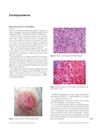 October 2010 in “International Journal of Dermatology”
 An 86-year-old man with prostate cancer was diagnosed with a rare, low-grade breast cancer and underwent surgery but declined additional hormone therapy.
 May 2023 in “Stem cell research & therapy”
 New method efficiently isolates hair growth cells from newborn mouse skin.
Keratinocytes can reduce the survival of certain melanoma cells, suggesting new therapy paths.
RCS-01 cell therapy is safe and improves skin gene expression.
September 2025 in “Figshare” Alopecia areata involves complex immune activity, mainly Th1, with potential benefits from broader immune treatments.
3 citations
,
April 2018 in “Journal of Investigative Dermatology” CCCA may be a fibroproliferative disorder, and anti-fibrotic therapies could help.
 24 citations
,
October 1995 in “The Journal of clinical endocrinology and metabolism/Journal of clinical endocrinology & metabolism”
24 citations
,
October 1995 in “The Journal of clinical endocrinology and metabolism/Journal of clinical endocrinology & metabolism” The nafarelin test can reliably distinguish between gonadotropin deficiency and delayed puberty in teenage boys.
 5 citations
,
May 2011 in “European Journal of Medical Genetics”
5 citations
,
May 2011 in “European Journal of Medical Genetics” A genetic duplication on chromosome 5 was linked to a woman's unique combination of medical conditions.
1 citations
,
November 2018 in “immuneACCESS” Expanded CD8+ T cells are linked to Alopecia Areata and may cause relapse after treatment.
3 citations
,
January 2021 in “FEBS open bio” Camellia japonica extract may improve scalp health and promote hair growth.
 August 2019 in “Journal of Invertebrate Pathology”
 Thymosin beta 4 protects cells from damage by blocking a harmful microRNA and boosting a protective gene.
January 2026 in “Journal of Dermatological Treatment” GT20029 showed some hair growth improvement, but longer studies are needed for better results.
2 citations
,
July 2021 in “UNC Libraries” Mutations at Val-889 and Arg-752 disrupt key interactions in androgen receptor dimerization.
February 2026 in “Advanced Science” TTNPB helps turn stem cells into neural stem cells, improving depression-like behaviors in rats.
9 citations
,
July 2007 in “Journal of Investigative Dermatology” Claudin expression changes help the skin respond to injury.
 62 citations
,
January 2004 in “The journal of investigative dermatology/Journal of investigative dermatology”
62 citations
,
January 2004 in “The journal of investigative dermatology/Journal of investigative dermatology” A second domain of high sulfur KAP genes on chromosome 21q23 is crucial for hair structure.
3 citations
,
April 2020 in “PubMed” Combining DEB-BACE with chemotherapy is more effective and has fewer side effects than chemotherapy alone for treating unresectable lung squamous cell carcinoma.
October 2025 in “Cell Reports” Regulatory T cells help hair growth by using the Cxcr4-Cxcl12 pathway.
July 2005 in “The American Journal of Human Genetics” The AR gene is linked to male-pattern baldness, TNFSF4 to heart disease, SLC19A3 to BBGD, MCT8 to a syndrome, and segmental duplications to genetic variation.
1 citations
,
November 2023 in “Journal of Microbiology and Biotechnology” Immortalized human dermal papilla cells were created that grow better and can still help form hair.
2 citations
,
September 2014 in “Nature reviews. Drug discover/Nature reviews. Drug discovery” Specific immune cells cause alopecia areata and blocking certain proteins can prevent it.