2 citations
,
September 2021 in “JAAD case reports” A man with a weakened immune system was diagnosed with a rare skin condition called trichodysplasia spinulosa using skin examination techniques.
 67 citations
,
November 2019 in “Nature Communications”
67 citations
,
November 2019 in “Nature Communications” Oncogenic melanocyte stem cells can develop into melanoma similar to human cases.
 1 citations
,
June 2023 in “JAAD case reports”
1 citations
,
June 2023 in “JAAD case reports” Nivolumab treatment led to hair regrowth in a man with metastatic melanoma and alopecia areata.
 17 citations
,
May 1987 in “Clinical and Experimental Dermatology”
17 citations
,
May 1987 in “Clinical and Experimental Dermatology” A patient with Sézary syndrome showed improvement after treatment and the study suggested follicular mucinosis might indicate future lymphoma risk.
6 citations
,
September 2014 in “Journal of the American Academy of Dermatology” Researchers found a potential new type of skin growth called follicular mucinous nevus.
 5 citations
,
January 2012 in “PubMed”
5 citations
,
January 2012 in “PubMed” Anti-MND antibodies are present in various diseases, not just PBC, and their levels don't correlate with disease activity or skin symptoms.
10 citations
,
December 2015 in “International Journal of Dermatology” CK 15, follistatin, and Bmi-1 can help differentiate basal cell carcinoma from squamous cell carcinoma.
December 2017 in “Canadian journal of ophthalmology” A rare skin condition was misdiagnosed as a harmless mole on a woman's eyelid.
 February 2025 in “PubMed”
 CS12192 effectively treats alopecia areata with better safety than current options.
32 citations
,
March 2018 in “Neoplasia” Nephronectin is linked to worse breast cancer outcomes and helps cancer spread.
 January 1994 in “Nippon Ronen Igakkai Zasshi Japanese Journal of Geriatrics”
 Both VEPA and ML-Y1 treatments are not effective enough for elderly non-Hodgkin's lymphoma patients.
 133 citations
,
May 2016 in “Cell Host & Microbe”
133 citations
,
May 2016 in “Cell Host & Microbe” Human dermal fibroblasts are the main cells targeted by a virus that can cause a deadly skin cancer, and a certain inhibitor can effectively block this infection.
April 2026 in “Research Square” 1 citations
,
December 2024 in “Case Reports in Dermatology” Cyclophosphamide likely causes skin darkening by affecting hair follicles.
July 2022 in “European Journal of Dermatology” Brodalumab is more effective than ustekinumab in treating psoriasis.
47 citations
,
June 2013 in “Biology of blood and marrow transplantation” Mice with human fetal thymic tissue and stem cells developed symptoms similar to chronic graft-versus-host disease.
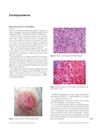 October 2010 in “International Journal of Dermatology”
 An 86-year-old man with prostate cancer was diagnosed with a rare, low-grade breast cancer and underwent surgery but declined additional hormone therapy.
March 2026 in “Journal of Investigative Dermatology” Genetic factors, especially PADI3 gene variants, contribute to CCCA in women of African descent.
 49 citations
,
October 2009 in “Cancer research”
49 citations
,
October 2009 in “Cancer research” Disrupting Stat3 in hair follicle stem cells greatly reduces skin tumor formation.
 July 2026 in “Journal of Ovarian Research”
 The study identified diverse cell types and gene expressions in ovarian steroid cell tumors, improving understanding of this rare tumor.
58 citations
,
September 2019 in “EMBO Molecular Medicine” CDK4/6 inhibitors can protect hair cells from chemotherapy damage.
 15 citations
,
April 2017 in “Cell Stem Cell”
15 citations
,
April 2017 in “Cell Stem Cell” Some brain cancer cells avoid immune system detection, and certain treatments could target this to slow their growth; also, certain fat cell precursors help regenerate hair and skin after injury.
 April 2018 in “Journal of Investigative Dermatology”
 Watching, not removing, skin growths with moderate atypia and positive edges is okay; patients may get melanoma elsewhere, especially if they've had it before.
 42 citations
,
August 1999 in “The American journal of pathology”
42 citations
,
August 1999 in “The American journal of pathology” Basal cell carcinomas have much higher levels of Vitamin D3 receptors compared to healthy skin.
89 citations
,
March 1996 in “Proceedings of the National Academy of Sciences” CD18-deficient mice developed psoriasis-like skin disease, useful for studying inflammatory skin disorders.
 1 citations
,
July 2012 in “Nasza Dermatologia Online”
1 citations
,
July 2012 in “Nasza Dermatologia Online” CCCA may be caused by both hair traction and an immune response.
54 citations
,
May 1999 in “Journal of Cutaneous Pathology” Apocrine type cutaneous mixed tumors often resemble hair follicles, sebaceous glands, and apocrine glands.
 40 citations
,
August 2010 in “Archives of dermatology”
40 citations
,
August 2010 in “Archives of dermatology” A 5-year-old boy's skin condition improved with systemic valganciclovir after a cardiac transplant and immunosuppressive therapy.

Ca²⁺-mediated protein citrullination controls cell growth in the CNS and may help treat brain tumors.
15 citations
,
November 2012 in “Archives of Ophthalmology” A deletion in the CDH3 gene causes a rare disorder with short hair and vision loss.