 9 citations
,
March 2022 in “Frontiers in Immunology”
9 citations
,
March 2022 in “Frontiers in Immunology” Foxp3+ Regulatory T Cells are important for immunity and tolerance, affect hair growth and wound healing, and their dysfunction can contribute to obesity-related diseases and other health issues.
8 citations
,
October 2021 in “Stem Cell Research & Therapy” Mesenchymal stem cells may effectively treat and prevent allergic skin conditions.
7 citations
,
January 2022 in “Biomedicines” Cells from the lower part of hair follicles are a promising, less invasive option for immune system therapies.
 7 citations
,
January 2013 in “Journal of Investigative Dermatology”
7 citations
,
January 2013 in “Journal of Investigative Dermatology” Vitamin A may influence hair loss conditions like alopecia, but more research is needed to understand how.
 3 citations
,
April 2019 in “The journal of investigative dermatology/Journal of investigative dermatology”
3 citations
,
April 2019 in “The journal of investigative dermatology/Journal of investigative dermatology” ILC1 cells contribute to hair loss in alopecia areata.
 3 citations
,
September 2017 in “The journal of investigative dermatology/Journal of investigative dermatology”
3 citations
,
September 2017 in “The journal of investigative dermatology/Journal of investigative dermatology” CBD can either promote or inhibit hair growth depending on the concentration used.
 3 citations
,
July 2013 in “Journal of Cutaneous Pathology”
3 citations
,
July 2013 in “Journal of Cutaneous Pathology” A woman's hair loss, resembling an autoimmune condition, improved after treatment, but requires ongoing checks due to potential serious associations.
 2 citations
,
November 2015 in “Journal of Investigative Dermatology”
2 citations
,
November 2015 in “Journal of Investigative Dermatology” RANKL improves the immune response against herpes simplex virus by enhancing T cell activation and could help develop better treatments or vaccines.
 1 citations
,
July 2014 in “Our Dermatology Online”
1 citations
,
July 2014 in “Our Dermatology Online” The patient with both scarring and non-scarring hair loss showed complex immune reactions and improved with steroid treatment.
January 2026 in “Experimental Dermatology” Skin-resident memory T cells may contribute to chronic alopecia areata and baricitinib could be a potential treatment.
November 2025 in “The Journal of Immunology” Hair follicle stem cells help heal wounds by turning certain immune cells into ones that reduce inflammation.
November 2023 in “Journal of Investigative Dermatology” Adipose stem cell exosomes may effectively treat atopic dermatitis by reducing inflammation and improving skin health.
 May 2023 in “Frontiers in Immunology”
 Treg cell-based therapies might help treat hair loss from alopecia areata, but more research is needed to confirm safety and effectiveness.
Live imaging helps us understand skin immune responses and develop treatments.
 August 2016 in “Journal of Investigative Dermatology”
 Human hair follicles have a scent receptor that can influence hair growth.
 December 2021 in “Signal transduction and targeted therapy”
 Increasing sebum production might help reduce fat and improve metabolism.
31 citations
,
June 2022 in “Stem Cell Research & Therapy” CD146 + mesenchymal stem cells are more effective for treating premature ovarian failure.
19 citations
,
December 2021 in “Stem Cell Research & Therapy” Muse cells from human bone marrow help reduce symptoms of atopic dermatitis in mice.
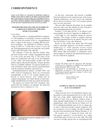 14 citations
,
January 2005 in “Pediatric Dermatology”
14 citations
,
January 2005 in “Pediatric Dermatology” UVA1-light therapy successfully treated a child's skin condition, mycosis fungoides.
1 citations
,
September 2020 in “bioRxiv (Cold Spring Harbor Laboratory)” γδ T cells are crucial for early wound healing after a skin virus infection.
1 citations
,
November 2018 in “immuneACCESS” Expanded CD8+ T cells are linked to Alopecia Areata and may cause relapse after treatment.
 1 citations
,
January 2015 in “Advanced techniques in biology & medicine”
1 citations
,
January 2015 in “Advanced techniques in biology & medicine” Down Syndrome patients with Alopecia Areata often have hypothyroidism and specific immune abnormalities.
 January 2025 in “bioRxiv (Cold Spring Harbor Laboratory)”
 Potential therapeutic targets for scarring hair loss are identified.
April 2023 in “Journal of Investigative Dermatology” Targeting mTOR in myeloid cells may help reduce psoriasis symptoms.
 May 2020 in “JAAD case reports”
 Using anthralin and calcipotriene together might help treat tough cases of alopecia areata, but more research is needed to understand how it works.
 January 2011 in “International Journal of Trichology”
 The document concludes that doctors should recognize congenital triangular alopecia to avoid unnecessary treatments, as it does not respond to steroids like alopecia areata does.
 September 1998 in “Journal of the European Academy of Dermatology and Venereology”
 Autoimmune and inflammatory processes are involved in both scarring and non-scarring types of hair loss.
 125 citations
,
August 2020 in “Frontiers in Immunology”
125 citations
,
August 2020 in “Frontiers in Immunology” Men generally have more severe COVID-19 cases and higher death rates than women due to biological differences.
105 citations
,
December 2017 in “Journal of Biological Engineering” Artificial skin grafts face immune rejection, but stem cells may improve future designs.
83 citations
,
May 2022 in “Journal of Advanced Research” Enhancing glycolysis in mesenchymal stromal/stem cells boosts their immune functions and therapy potential.