November 2023 in “Journal of Investigative Dermatology” Adipose stem cell exosomes may effectively treat atopic dermatitis by reducing inflammation and improving skin health.
 May 2023 in “Frontiers in Immunology”
 Treg cell-based therapies might help treat hair loss from alopecia areata, but more research is needed to confirm safety and effectiveness.
 April 2021 in “HIV & AIDS Review”
 Glycyrrhizinic acid spray showed limited effectiveness in treating anogenital warts in HIV patients with low CD4 levels.
Live imaging helps us understand skin immune responses and develop treatments.
 August 2016 in “Journal of Investigative Dermatology”
 Human hair follicles have a scent receptor that can influence hair growth.
 December 2021 in “Signal transduction and targeted therapy”
 Increasing sebum production might help reduce fat and improve metabolism.
31 citations
,
June 2022 in “Stem Cell Research & Therapy” CD146 + mesenchymal stem cells are more effective for treating premature ovarian failure.
19 citations
,
December 2021 in “Stem Cell Research & Therapy” Muse cells from human bone marrow help reduce symptoms of atopic dermatitis in mice.
 14 citations
,
January 2005 in “Pediatric Dermatology”
14 citations
,
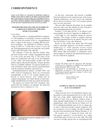
January 2005 in “Pediatric Dermatology” UVA1-light therapy successfully treated a child's skin condition, mycosis fungoides.
1 citations
,
September 2020 in “bioRxiv (Cold Spring Harbor Laboratory)” γδ T cells are crucial for early wound healing after a skin virus infection.
1 citations
,
November 2018 in “immuneACCESS” Expanded CD8+ T cells are linked to Alopecia Areata and may cause relapse after treatment.
 January 2025 in “bioRxiv (Cold Spring Harbor Laboratory)”
 Potential therapeutic targets for scarring hair loss are identified.
April 2023 in “Journal of Investigative Dermatology” Targeting mTOR in myeloid cells may help reduce psoriasis symptoms.
 May 2020 in “JAAD case reports”
 Using anthralin and calcipotriene together might help treat tough cases of alopecia areata, but more research is needed to understand how it works.
 January 2011 in “International Journal of Trichology”
 The document concludes that doctors should recognize congenital triangular alopecia to avoid unnecessary treatments, as it does not respond to steroids like alopecia areata does.
 September 1998 in “Journal of the European Academy of Dermatology and Venereology”
 Autoimmune and inflammatory processes are involved in both scarring and non-scarring types of hair loss.
 125 citations
,
August 2020 in “Frontiers in Immunology”
125 citations
,
August 2020 in “Frontiers in Immunology” Men generally have more severe COVID-19 cases and higher death rates than women due to biological differences.
83 citations
,
May 2022 in “Journal of Advanced Research” Enhancing glycolysis in mesenchymal stromal/stem cells boosts their immune functions and therapy potential.
 70 citations
,
February 2015 in “Expert Opinion on Drug Discovery”
70 citations
,
February 2015 in “Expert Opinion on Drug Discovery” Topical drugs and near-infrared light therapy show potential for treating alopecia.
55 citations
,
April 2015 in “BMC medicine” Stem Cell Educator therapy helps regrow hair and improve life quality in alopecia areata patients.
 41 citations
,
February 2001 in “Current pharmaceutical design”
41 citations
,
February 2001 in “Current pharmaceutical design” Current and future treatments for alopecia areata focus on immunosuppression, immunomodulation, and protecting hair follicles.
 39 citations
,
October 2010 in “Journal of The American Academy of Dermatology”
39 citations
,
October 2010 in “Journal of The American Academy of Dermatology” Some patients with mycosis fungoides or Sézary syndrome experience hair loss, which may be similar to alopecia areata or linked to skin lesions, possibly due to abnormal T cells, and bexarotene can help treat it.
 31 citations
,
August 2015 in “Stem Cells Translational Medicine”
31 citations
,
August 2015 in “Stem Cells Translational Medicine” Human skin can provide stem cells for tissue repair and regeneration, but there are challenges in obtaining and growing these cells safely.
 27 citations
,
July 2017 in “Scientific Reports”
27 citations
,
July 2017 in “Scientific Reports” N-WASP is essential for healthy skin and preventing inflammation.
 23 citations
,
March 2001 in “Clinics in dermatology”
23 citations
,
March 2001 in “Clinics in dermatology” Alopecia areata involves immune response and gene changes affecting hair loss.
 22 citations
,
June 2013 in “Australasian Journal of Dermatology”
22 citations
,
June 2013 in “Australasian Journal of Dermatology” Early stage bald spots are linked to skin inflammation and damage to the upper part of the hair follicle.
 20 citations
,
June 2010 in “Genes and Immunity”
20 citations
,
June 2010 in “Genes and Immunity” Blood tests can help understand the genetic differences in people with alopecia areata, including how severe it is and if it's inherited.
 19 citations
,
January 2021 in “Experimental dermatology”
19 citations
,
January 2021 in “Experimental dermatology” Acne inversa is an epithelial-driven disease where inflammation is caused by cyst rupture, and treatments should focus on preventing tendril growth for better results.
 9 citations
,
July 2022 in “EMBO molecular medicine”
9 citations
,
July 2022 in “EMBO molecular medicine” Blocking certain immune signals can reduce skin damage from radiation therapy.
5 citations
,
June 2022 in “Biophysical Journal” TGF-β and TNF influence hair follicle cell fate, with TNF being more effective in triggering cell death.