7 citations
,
April 2025 in “Science Advances” Silicate-based therapy may help treat inflammatory heart disease by reducing immune inflammation.
 3 citations
,
May 2018 in “Journal of Cosmetic Dermatology”
3 citations
,
May 2018 in “Journal of Cosmetic Dermatology” Biopsy can differentiate between alopecia areata and androgenic alopecia, and if more information is needed, testing for CD3 and CD8 can help.
 2 citations
,
September 2014 in “Journal of evolution of medical and dental sciences”
2 citations
,
September 2014 in “Journal of evolution of medical and dental sciences” Most HIV patients in the study showed skin and mucous membrane issues, with oral thrush being the most common.
 1 citations
,
October 2024 in “Journal of Clinical Immunology”
1 citations
,
October 2024 in “Journal of Clinical Immunology” Vaccines work well in Netherton syndrome patients, similar to healthy people.
1 citations
,
April 2025 in “Journal of Cosmetic Dermatology” The serum improves facial skin quality safely and effectively.
 1 citations
,
January 2024 in “Advances in Engineering Technology Research”
1 citations
,
January 2024 in “Advances in Engineering Technology Research” Bone marrow stem cells from Guizhou miniature pigs can grow well and become different cell types, useful for tissue engineering.
January 2026 in “Pediatrics International” Live vaccines can be safely given to infants with a FOXN1 variant if their immune function improves over time.
July 2025 in “Ultrasound in Medicine & Biology” UTMD with diclofenac and Doxil® improves cancer treatment by boosting immune response and reducing tumor-supporting cells.
 July 2024 in “Clinical Cosmetic and Investigational Dermatology”
 Certain immune cells are linked to non-scarring hair loss, suggesting potential for immune-targeted treatments.
 August 2022 in “MEDICINUS”
 A 22-year-old homosexual man was diagnosed with secondary syphilis, genital warts, and HIV, highlighting the high STI risk in men who have sex with men.
March 2014 in “The Journal of Urology” Finasteride increases CD8+ T cells in BPH tissues.
January 2014 in “Journal of Jilin University” Higher levels of certain immune cells and proteins are linked to more severe lupus symptoms.
September 2011 in “Chinese Journal of Dermatology” A man's skin condition was misdiagnosed and later identified as a rare type of skin cancer, which did not improve with treatment.
 January 2025 in “Nanoscale”
 Boron/nitrogen-doped carbon nano-onions improve targeted breast cancer treatment by enhancing drug delivery and reducing side effects.
June 2020 in “Zenodo (CERN European Organization for Nuclear Research)” Children with frequent severe infections and low antibodies should be checked for immune deficiencies.
 May 2014 in “Transfusion and Apheresis Science”
 The study found that the quality of cord blood units remains consistent before freezing and after thawing, indicating that attached tube segments reliably represent the graft's properties.
 2 citations
,
November 2011 in “Journal of Infection”
2 citations
,
November 2011 in “Journal of Infection” A woman with asthma improved from a severe fungal infection after treatment change, and most HIV-positive women in a UK study had low immune cell counts but were responding well to treatment.
 1 citations
,
December 2004 in “Hepatology”
1 citations
,
December 2004 in “Hepatology” Tenofovir is more effective than adefovir for resistant hepatitis B, Fibroscan is good for assessing liver damage, regulatory T cells may help hepatitis C persist, and other insights into liver health and disease were found.
 June 2020 in “The journal of investigative dermatology/Journal of investigative dermatology”
 Topical treatments led to hair regrowth in a man with linear morphea.
 7 citations
,
March 2005 in “British Journal of Dermatology”
7 citations
,
March 2005 in “British Journal of Dermatology” Indian men have 62.1% hair loss, mostly grade II vertex, and less extensive than other populations.
 3 citations
,
April 2002 in “The American Journal of Medicine”
3 citations
,
April 2002 in “The American Journal of Medicine” The document concludes that early diagnosis of Balint's syndrome is crucial for effective treatment and that understanding drug interactions, like between ritonavir and statins, is important for patient care.
 November 2020 in “Journal of The American Academy of Dermatology”
 Certain immune markers may predict chemotherapy response in mesothelioma, and nivolumab is a tolerable and effective treatment for advanced non-small cell lung cancer.
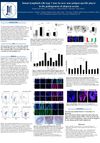
Innate lymphoid cells type 1 may contribute to alopecia areata by damaging hair follicles.
 130 citations
,
November 2017 in “Frontiers in Immunology”
130 citations
,
November 2017 in “Frontiers in Immunology” The conclusion is that Treg-targeted therapies have potential, but more knowledge of Treg biology is needed for effective treatments, including for cancer.
 115 citations
,
September 2000 in “The Lancet”
115 citations
,
September 2000 in “The Lancet” Early hair loss may indicate risk of insulin resistance.
 81 citations
,
July 2011 in “Lasers in Medical Science”
81 citations
,
July 2011 in “Lasers in Medical Science” The Lexington LaserComb helped regrow hair in mice with a condition similar to human hair loss.
 26 citations
,
March 2007 in “Clinical and experimental dermatology”
26 citations
,
March 2007 in “Clinical and experimental dermatology” Pimecrolimus cream is not effective for treating alopecia areata.
 19 citations
,
February 2016 in “Journal of The American Academy of Dermatology”
19 citations
,
February 2016 in “Journal of The American Academy of Dermatology” CD3+ T-cell presence is a reliable marker to tell apart alopecia areata from pattern hair loss.
 15 citations
,
June 2015 in “Human Cell”
15 citations
,
June 2015 in “Human Cell” Spheroid culture in agarose dishes improves survival and nerve cell growth in thawed human fat-derived stem cells.
 13 citations
,
January 2014 in “Journal of Investigative Dermatology”
13 citations
,
January 2014 in “Journal of Investigative Dermatology” The laser comb did not improve hair regrowth in mice with alopecia areata.