 1 citations
,
April 2019 in “Journal of Investigative Dermatology”
1 citations
,
April 2019 in “Journal of Investigative Dermatology” VB1953 gel significantly reduced acne and resistant bacteria in patients who didn't respond to clindamycin.
1 citations
,
April 2012 in “Cancer Research” Antizyme reduces tumor growth and normalizes skin cell development affected by MEK.
4 citations
,
June 2025 in “Cell Reports” Clonally expanded CD8+ T cells cause alopecia areata.
 1 citations
,
September 2025 in “Journal of Zhejiang University SCIENCE B”
1 citations
,
September 2025 in “Journal of Zhejiang University SCIENCE B” Photodynamic therapy successfully treated skin cancer in a 53-year-old woman.
January 2008 in “中山醫學大學醫學研究所學位論文” Danthron from Rhubarb causes melanoma cells to stop growing and die.
52 citations
,
September 2012 in “Oncogene”  April 2023 in “Journal of Investigative Dermatology”
 PTEN was identified as a specific marker for the skin disease cutaneous lupus erythematosus, and it helps increase the expression of harmful type I interferons.
64 citations
,
March 2004 in “The journal of investigative dermatology/Journal of investigative dermatology” GPRC5D is linked to the formation of hair, nails, and certain tongue areas.
 January 2024 in “Wiadomości Lekarskie”
 AI can help diagnose Follicular Lymphoma by accurately identifying specific cell types.
 July 2026 in “Research Data Repository, Duke University”
 DMAP scaffolds help tissue regeneration by activating B cells and humoral immunity.
 December 2025 in “npj Breast Cancer”
 Capivasertib improves survival in certain breast cancer cases but requires careful management of side effects.
 April 2019 in “Journal of Investigative Dermatology”
 Researchers fixed gene mutations causing a skin disease in stem cells, which then improved skin grafts in mice.
14 citations
,
August 2011 in “Journal of the American Academy of Dermatology” Imiquimod 5% cream may not work for treating scrotal extramammary Paget disease.
3 citations
,
October 2024 in “Cancers” Skin side effects from melanoma immunotherapy are common and may indicate better survival.
March 2014 in “The Journal of Urology” Finasteride increases CD8+ T cells in BPH tissues.
32 citations
,
August 2016 in “Science Signaling” Alopecia areata patients show unique protein activity patterns, suggesting imbalanced signaling pathways.
2 citations
,
May 2006 in “Archives of Pathology & Laboratory Medicine” Early recognition of skin lesions in Birt-Hogg-Dubé syndrome is crucial for detecting renal tumors early.
1 citations
,
May 2024 in “Communications Biology” Dab2 protein is crucial for hair follicle stem cell renewal and preventing early aging.
 January 2026 in “Dermatology Reports”
 Upadacitinib improved symptoms and hair regrowth in a teen with multiple autoimmune conditions.
 February 2016 in “The journal of allergy and clinical immunology/Journal of allergy and clinical immunology/The journal of allergy and clinical immunology”
 A new TP63 mutation was found in a baby with EEC syndrome, showing the need for TREC testing to check for immune issues.
January 2009 in “OhioLink ETD Center (Ohio Library and Information Network)” p63 and p73 regulate the vitamin D receptor, affecting cancer cell behavior and vitamin D sensitivity.
 1 citations
,
September 2023 in “Journal of the American Academy of Dermatology”
1 citations
,
September 2023 in “Journal of the American Academy of Dermatology” Baricitinib significantly improves hair regrowth in severe alopecia areata.
 1 citations
,
June 2024 in “Journal of Clinical Oncology”
1 citations
,
June 2024 in “Journal of Clinical Oncology” Aumolertinib is effective and well-tolerated for treating advanced lung cancer with EGFR mutations.
45 citations
,
September 2012 in “The Journal of Steroid Biochemistry and Molecular Biology” Vitamin D3 and its receptor help protect skin from UVB-related cancer.
 6 citations
,
July 2013 in “Experimental and Therapeutic Medicine”
6 citations
,
July 2013 in “Experimental and Therapeutic Medicine” Ginsenoside Rg1 protects mouse skin from UVB damage and helps control inflammation.
November 2025 in “Journal of Investigative Dermatology” Alpha-MSH affects mitochondrial function, and MC1R mutations may increase skin aging.
November 2025 in “Journal of Investigative Dermatology” TEC kinases may help cause inflammation in vitiligo and could be targeted for treatment.
January 2019 in “Publisher” Human basal cell carcinomas and squamous cell carcinomas have unique gene expression patterns not fully mirrored in mouse models.
 April 2018 in “Journal of Investigative Dermatology”
 Ginsenoside Rd may help improve skin aging by increasing collagen in the skin.
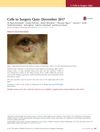 1 citations
,
November 2017 in “The journal of investigative dermatology/Journal of investigative dermatology”
1 citations
,
November 2017 in “The journal of investigative dermatology/Journal of investigative dermatology” Mohs micrographic surgery is effective for treating basal cell carcinoma on the eyelid, while radiotherapy has higher recurrence rates, and topical vitamin D3 may reduce and delay BCC formation in mice.