127 citations
,
January 2000 in “Journal of Investigative Dermatology” Cytotoxic T cells cause hair loss in chronic alopecia areata.
46 citations
,
November 2014 in “Journal of Cutaneous Pathology” Recognizing diverse presentations of folliculotropic mycosis fungoides is crucial to avoid diagnostic errors.
45 citations
,
May 2024 in “International Journal of Molecular Sciences” Alopecia areata is caused by immune attacks on hair follicles, affecting hair growth and quality of life.
18 citations
,
August 2012 in “Chinese journal of integrative medicine/Chinese Journal of Integrative Medicine” Both treatments for alopecia areata are equally effective and safe.
13 citations
,
August 2018 in “Life sciences” Kang-ai injection with platinum-based chemotherapy improves tumor response and immune function while reducing side effects in advanced lung cancer.
11 citations
,
September 2024 in “Journal of the European Academy of Dermatology and Venereology” Hair regrows faster in alopecia areata than skin re-pigments in vitiligo due to differences in stem cells and treatment effects.
 6 citations
,
March 2016 in “Scandinavian journal of immunology”
6 citations
,
March 2016 in “Scandinavian journal of immunology” Janus kinase inhibitors show promise in treating alopecia areata but need more safety research.
5 citations
,
March 2025 in “Pediatric Dermatology” Alopecia areata in children is caused by the immune system attacking hair follicles due to genetic factors.
5 citations
,
February 2024 in “Journal of Investigative Dermatology” Alopecia areata patients have fewer protective regulatory B cells, which may contribute to the disease.
 5 citations
,
June 2019 in “British Journal of Dermatology”
5 citations
,
June 2019 in “British Journal of Dermatology” Tofacitinib was more effective than apremilast in treating hair loss in a mouse model of alopecia areata.
3 citations
,
April 2020 in “PubMed” Combining DEB-BACE with chemotherapy is more effective and has fewer side effects than chemotherapy alone for treating unresectable lung squamous cell carcinoma.
2 citations
,
January 2020 in “Enlighten: Theses (The University of Glasgow)” Alopecia areata is an autoimmune disease causing hair loss, and targeting macrophages may help treat it.
July 2026 in “The Journal of Immunology” Prior infections reduced alopecia areata development in mice.
May 2023 in “The Journal of Immunology” Expanding CD4+ Tregs can stop hair loss in alopecia areata.
 April 2021 in “Sohag Medical Journal”
 Alopecia areata is an autoimmune condition causing hair loss, linked to genetic factors and immune system issues, with no cure yet.
April 2019 in “Journal of Investigative Dermatology” Gut microbiota influences the development of alopecia areata.
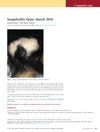 February 2016 in “The journal of investigative dermatology/Journal of investigative dermatology”
 JAK inhibitors may help treat alopecia areata by reversing hair loss.
58 citations
,
May 2004 in “British Journal of Dermatology” Diphenylcyclopropenone treatment helps hair growth in alopecia areata by promoting blood vessel growth and cell survival.
12 citations
,
June 2020 in “Lupus” Early treatment with the right dose of stem cells can reduce lupus symptoms.
6 citations
,
June 2015 in “Journal of theoretical biology” The model showed that immune system guardians and the cytokine interferon-γ are key in alopecia areata progression.
July 2024 in “Journal of Investigative Dermatology” IL-27 may help prevent hair loss in alopecia areata by promoting immunosuppressive T cells.
 June 2026 in “Clinical Cosmetic and Investigational Dermatology”
 Cell-based therapies offer better repigmentation for larger vitiligo areas, with CD8+ T cell count as a potential biomarker for success.
 February 2014 in “Plastic and Reconstructive Surgery”
 The document doesn't provide a clear conclusion or detailed findings about the impact of certain cells on cancer treatment.
286 citations
,
August 2007 in “Journal of Clinical Investigation” Alopecia areata is an autoimmune disease where T cells attack hair follicles.
77 citations
,
November 2018 in “Cell” Lung immune cells can be trained to better fight infections after a virus.
71 citations
,
October 2013 in “Experimental Dermatology” Vitiligo and alopecia areata may have similar causes despite their differences.
 53 citations
,
August 2019 in “American journal of human genetics”
53 citations
,
August 2019 in “American journal of human genetics” FOXN1 gene variants cause low T cells and immune issues from birth.
12 citations
,
August 2013 in “Journal of Dermatological Science” The MAGE3 hypothesis for alopecia areata did not lead to a significant breakthrough.
8 citations
,
November 2024 in “EMBO Molecular Medicine” Targeting JAK-STAT1 can reduce inflammation and promote hair growth in conditions linked to EGFR deficiency.
5 citations
,
April 2024 in “Journal of Ovarian Research” miR-21 helps improve ovarian function recovery in treated mice.