 December 2020 in “Innovation in aging”
 Rapamycin treatment helps reduce brain inflammation and symptoms of mitochondrial disease by blocking specific pathways in mice.
December 2022 in “Scientific Reports” Compound 4 is a promising treatment for hair loss with low toxicity.
18 citations
,
January 2009 in “Experimental Dermatology” mTOR may link different pathways in hair follicle tumor formation.
63 citations
,
July 2018 in “The journal of investigative dermatology/Journal of investigative dermatology” JAK inhibitors can effectively reverse hair loss in people with alopecia areata.
35 citations
,
February 2002 in “Journal of Radiological Protection” Caffeine reduces radiation skin damage but doesn't affect tumor treatment.
Activating certain hair follicle cells could prevent hair loss from cancer treatments.
4 citations
,
August 2023 in “Biomedicine & Pharmacotherapy” Ivacaftor can protect against noise-induced hearing loss by reducing oxidative stress.
 October 2025 in “Zenodo (CERN European Organization for Nuclear Research)”
 Ritlecitinib may help young adults with severe alopecia areata when ketoconazole fails.
1 citations
,
August 2022 in “Pigment Cell & Melanoma Research” New mouse models help study melanocytic cells for melanoma research.
Apraglutide and N-acetylcysteine (NAC) show promise in reducing cytarabine's harmful effects on organs.
 October 2025 in “Zenodo (CERN European Organization for Nuclear Research)”
 Ritlecitinib may help young adults with severe alopecia areata when ketoconazole doesn't work.
May 2023 in “Blood cancer discovery” Finasteride reduces AML cell growth by inhibiting androgen receptors.
1 citations
,
December 2014 in “Zenodo (CERN European Organization for Nuclear Research)” The method effectively induces skin cancer in mice for studying tumor development.
17 citations
,
July 2013 in “Amino Acids” Increased ODC activity leads to skin tumors by recruiting stem cells, not by toxic byproducts.
4 citations
,
December 2022 in “Skin Research and Technology” Reduced Sonic hedgehog signaling leads to increased HPV replication and wart formation.
 April 2025 in “JAAD Case Reports”
 Topical ruxolitinib and oral minoxidil together can regrow hair in certain types of hair loss.
 35 citations
,
January 2004 in “European journal of oncology nursing”
35 citations
,
January 2004 in “European journal of oncology nursing” Capecitabine is as effective as intravenous treatments with fewer side effects, but requires careful management of Hand-foot syndrome and patient education.
 January 2025 in “Recent Patents on Anti-Cancer Drug Discovery”
 The treatment showed high response rates and was well-tolerated, potentially extending patient survival.
33 citations
,
May 2017 in “Journal of Clinical Oncology” ETC-159 was safe up to 30 mg, but no tumor shrinkage was seen.
68 citations
,
January 2014 in “Dermatology research and practice” Skin side effects from cancer drugs targeting EGFR can affect treatment adherence but can be managed with antibiotics like tetracycline.
 January 2025 in “Вопросы современной педиатрии”
 Janus kinase inhibitors effectively treat alopecia areata but may cause relapses and have long-term safety concerns.
 3 citations
,
January 2011 in “Annals of Dermatology”
3 citations
,
January 2011 in “Annals of Dermatology” Blocking EGFR in skin cells doesn't majorly increase inflammation markers.
 1 citations
,
June 2023 in “Advances in therapy”
1 citations
,
June 2023 in “Advances in therapy” Ripretinib is effective and safe for treating advanced GIST in Chinese patients, particularly for non-gastric GISTs.
25 citations
,
March 2017 in “International Journal of Dermatology” Ruxolitinib effectively and safely regrows hair in alopecia patients.
75 citations
,
September 2016 in “EMBO journal” PRC2 is essential for maintaining intestinal cell balance and aiding regeneration after damage.
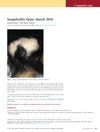 February 2016 in “The journal of investigative dermatology/Journal of investigative dermatology”
 JAK inhibitors may help treat alopecia areata by reversing hair loss.
 8 citations
,
September 2017 in “Scientific Reports”
8 citations
,
September 2017 in “Scientific Reports” MAD2B slows down the growth of skin cells that are important for hair development by interacting with TCF4.
 18 citations
,
May 2013 in “Cutaneous and Ocular Toxicology”
18 citations
,
May 2013 in “Cutaneous and Ocular Toxicology” The cancer drugs bortezomib and lenalidomide cause skin side effects in many patients.
10 citations
,
September 2016 in “Journal of cutaneous medicine and surgery” Patients on dabrafenib and trametinib for melanoma often experience skin side effects.