 April 2026 in “Research Square”
 Dapagliflozin helps protect heart cells under stress by improving mitochondrial function and reducing cell damage.
 January 2026 in “Frontiers in Pharmacology”
 Sanhuang Fukang oil helps heal radiation skin injuries by reducing inflammation and cell death.
 September 2017 in “Journal of Investigative Dermatology”
 Fermented mackerel oil was found to promote hair growth by activating certain cell signals and increasing cell growth.
 28 citations
,
May 2019 in “Life Sciences”
28 citations
,
May 2019 in “Life Sciences” Ginsenoside Rb1 from Panax ginseng helps mink hair grow by activating certain cell signals.
 202 citations
,
August 2007 in “Biomaterials”
202 citations
,
August 2007 in “Biomaterials” Artificial skin development has challenges, but new materials and understanding cell behavior could improve tissue repair. Also, certain growth factors and hydrogel technology show promise for advanced skin replacement therapies.
 11 citations
,
October 2017 in “Oncotarget”
11 citations
,
October 2017 in “Oncotarget” Gsdma3 affects hair growth by controlling Wnt5a, which influences hair cell development.
 May 2015 in “Journal of Investigative Dermatology”
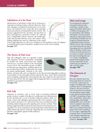
 Melanoma risk tools need improvement, a gene mutation causes a hair disorder that might be treated by managing cell stress, a potential therapy for a skin-ear disorder involves blocking cell channels, skin wrinkling may indicate lung aging regardless of smoking, and oxidative stress might contribute to common baldness.
 24 citations
,
January 2016 in “Lasers in Medical Science”
24 citations
,
January 2016 in “Lasers in Medical Science” Erbium glass laser treatment may help with skin remodeling, reduce inflammation, and improve skin cell maturation.
 1 citations
,
November 2017
1 citations
,
November 2017 The document concludes that while some organisms can regenerate body parts, mammals generally cannot, and cancer progression is complex, involving mutations rather than a strict stem cell hierarchy.
 42 citations
,
December 2016 in “Cell Death & Differentiation”
42 citations
,
December 2016 in “Cell Death & Differentiation” Damaging mitochondrial DNA in mice speeds up aging due to increased reactive oxygen species, not through the p53/p21 pathway.
 December 2024 in “Cell Communication and Signaling”
 Fat tissue vesicles protect skin from UV damage better than stem cell vesicles.
 56 citations
,
February 2012 in “Cell Cycle”
56 citations
,
February 2012 in “Cell Cycle” MicroRNAs are crucial for controlling skin development and healing by regulating genes.
 403 citations
,
December 2018 in “Cell stem cell”
403 citations
,
December 2018 in “Cell stem cell” Understanding phenotypic plasticity is crucial for developing effective cancer therapies.
 44 citations
,
September 2014 in “Cell Death & Differentiation”
44 citations
,
September 2014 in “Cell Death & Differentiation” Tumor suppressors help control inflammation in cancer and restoring their function could lead to new treatments.
29 citations
,
December 2022 in “Journal of Nanobiotechnology” Stem cell vesicles reduced eczema symptoms in mice safely.
 15 citations
,
November 2022 in “Cell Death and Disease”
15 citations
,
November 2022 in “Cell Death and Disease” CEP135 may predict cancer outcomes, and targeting PLK1 could help treat certain sarcomas.
9 citations
,
June 2019 in “Cell cycle/Cell cycle (Georgetown, Tex. Online)” A specific RNA increases hair stem cell growth and skin healing by affecting a protein through interaction with a microRNA.
 4 citations
,
February 2020 in “Cell & tissue research/Cell and tissue research”
4 citations
,
February 2020 in “Cell & tissue research/Cell and tissue research” Hair follicle stem cells might help treat traumatic brain injury.
 June 2026 in “Cell Regeneration”
 The olfactory epithelium can regenerate throughout life, aided by specific cells, genes, and new research methods.
 December 2025 in “Cell Communication and Signaling”
 Minoxidil may help treat myelodysplastic syndrome without harming normal blood cell production.
 May 2024 in “Clinical Cosmetic and Investigational Dermatology”
 Manipulating cell cleanup processes could help treat hair loss.
116 citations
,
August 2021 in “Stem Cell Research & Therapy” Menstrual blood stem cell vesicles show promise for treating various medical conditions.
 51 citations
,
April 2020 in “Cells”
51 citations
,
April 2020 in “Cells” Special cell particles from macrophages can help hair grow.
 29 citations
,
March 2020 in “Stem Cell Research & Therapy”
29 citations
,
March 2020 in “Stem Cell Research & Therapy” Fat stem cells from diabetic mice can help heal skin wounds in other diabetic mice.
20 citations
,
November 2020 in “Stem Cell Research & Therapy” Enhanced stem cells from the placenta can help treat Graves' eye disease by stopping fat cell growth.
 1 citations
,
January 2018 in “Stem cell biology and regenerative medicine”
1 citations
,
January 2018 in “Stem cell biology and regenerative medicine” DNA methylation is essential for skin and hair follicle development, and could be a target for treating skin diseases.
VDAC2 promotes cell death in cashmere goat hair follicles through the P53 pathway.
 September 2024 in “Stem Cell Research & Therapy”
 HA-stimulated stem cell vesicles improved hair growth in male mice with androgenetic alopecia.
 July 2024 in “Journal of Nanobiotechnology”
 Mouse cell exosomes help hair regrowth and wound healing by activating a specific signaling pathway.
 36 citations
,
January 2017 in “Stem Cells International”
36 citations
,
January 2017 in “Stem Cells International” A special stem cell fluid can speed up wound healing and hair growth in mice.