 June 2025 in “Cancer Management and Research”
 Improving hair health and managing conditions can enhance scalp cooling effectiveness in preventing hair loss during chemotherapy.

Advancements in diagnostics, treatments, and technology have improved hair loss detection and restoration, with some types being reversible.
 May 2023 in “Journal of Clinical Medicine”
 New understanding and treatments for hair loss are improving, but more research is needed.
 January 2023 in “Journal of Ravishankar University”
 Hair loss can be caused by stress, aging, and harmful substances that create an imbalance in the body's natural processes.
 May 2022 in “Liver transplantation”
 The document explains how the immune system reacts to organ transplants and the treatments used to prevent rejection.
 1 citations
,
February 2023 in “ACS Biomaterials Science & Engineering”
1 citations
,
February 2023 in “ACS Biomaterials Science & Engineering” The new microwell device helps grow more hair stem cells that can regenerate hair.
344 citations
,
June 2006 in “American Journal Of Pathology” Human hair follicles can provide stem cells for regenerative medicine.
44 citations
,
January 2013 in “BMC Dermatology” TGFβ signaling prevents sebaceous gland cells from producing fats.
 31 citations
,
August 2021 in “Stem Cell Research & Therapy”
31 citations
,
August 2021 in “Stem Cell Research & Therapy” The conclusion is that understanding how hair follicle stem cells live or die is important for maintaining healthy tissue and repairing injuries, and could help treat hair loss, but there are still challenges to overcome.
January 2026 in “Dermatologic Therapy” Folliculotropic Mycosis Fungoides requires stage-based treatment, with early stages using skin therapies and advanced stages needing aggressive treatments.
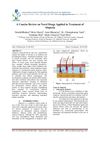
New therapies like JAK inhibitors, PRP, and stem cell treatments show promise for better alopecia management.
 July 2023 in “Regenerative Therapy”
 Stem cell and platelet-rich plasma therapies show promise for COVID-19 related hair loss, but more research is needed.
21 citations
,
January 2023 in “International Journal of Molecular Sciences” S100A6 protein is linked to disease progression, especially in cancers.
106 citations
,
August 2021 in “Pharmaceuticals” Extracellular vesicles help heal skin wounds and could be used for better treatments.
9 citations
,
May 2022 in “Frontiers in Cellular Neuroscience” Mesenchymal stromal cell therapies show promise for treating various diseases but need more research and standardization.
January 2026 in “Research” New technologies show promise for safer, more effective hair loss treatments.
16 citations
,
March 2021 in “EvoDevo” Different species use the same genes for tooth regeneration.
 April 2026 in “International Journal of Clinical Oncology”
 Combining immune checkpoint inhibitors with other cancer therapies increases skin side effects in Asian patients.
8 citations
,
July 2015 in “European journal of histochemistry” Sox9 is present in most canine skin tumors and may help understand stem cells' role in these cancers.
13 citations
,
October 2021 in “International Journal of Molecular Sciences” The HATMSC1 cell line from fat tissue can produce helpful factors for regenerative and immune therapies.

Hair growth is maintained by specific cell signals.
 January 2026 in “Archives of Internal Medicine Research”
 PRP, exosomes, and physical therapies show promise for hair and tissue repair, but need more research for optimization.
24 citations
,
November 2023 in “International Journal of Molecular Sciences” PRP and ADSC therapies show promise in improving symptoms of genital lichen sclerosus with minimal side effects.
 132 citations
,
August 2012 in “Biochimica et Biophysica Acta (BBA) - General Subjects”
132 citations
,
August 2012 in “Biochimica et Biophysica Acta (BBA) - General Subjects” TGF-β signaling is crucial for stem cell maintenance, differentiation, and has implications for cancer treatment.
 135 citations
,
December 2015 in “Expert Opinion on Biological Therapy”
135 citations
,
December 2015 in “Expert Opinion on Biological Therapy” Exosomes could potentially enhance tissue repair and regeneration with lower rejection risk and easier production than live cell therapies.
116 citations
,
August 2021 in “Stem Cell Research & Therapy” Menstrual blood stem cell vesicles show promise for treating various medical conditions.
 202 citations
,
August 2007 in “Biomaterials”
202 citations
,
August 2007 in “Biomaterials” Artificial skin development has challenges, but new materials and understanding cell behavior could improve tissue repair. Also, certain growth factors and hydrogel technology show promise for advanced skin replacement therapies.
 54 citations
,
August 2019 in “Bioscience trends”
54 citations
,
August 2019 in “Bioscience trends” Stem cells help repair tissue mainly by releasing beneficial substances, not by replacing damaged cells.
 November 2023 in “Klìtinna ta organna transplantologìâ”
 MSC-derived exosomes can help treat COVID-19, hair loss, skin aging, and arthritis.
 1160 citations
,
November 2018 in “Physiological Reviews”
1160 citations
,
November 2018 in “Physiological Reviews” The document concludes that better targeted treatments are needed for wound healing, and single-cell technologies may improve cell-based therapies.