 5 citations
,
February 2024 in “Clinical Pharmacokinetics”
5 citations
,
February 2024 in “Clinical Pharmacokinetics” A 50 mg daily dose of ritlecitinib is effective for alopecia areata, with temporary treatment breaks up to 6 weeks not affecting results.
 1 citations
,
April 2017 in “Journal of Investigative Dermatology”
1 citations
,
April 2017 in “Journal of Investigative Dermatology” A new one-step test can quickly identify skin cancer during surgery.
5 citations
,
January 2016 in “International Journal of Trichology” Erlotinib can cause hair loss and texture changes.
 August 2023 in “Expert Review of Clinical Pharmacology”
 Cetirizine lotion can effectively treat female pattern hair loss.
 15 citations
,
January 2014 in “Medicinal chemistry”
15 citations
,
January 2014 in “Medicinal chemistry” Some new isatin compounds could be strong cancer-fighting drugs because they fit well in cancer-related proteins and have good drug-like properties.
May 2025 in “Journal of the European Academy of Dermatology and Venereology” Ritlecitinib is effective for long-term hair regrowth in alopecia areata, especially in females and early treatment.
9 citations
,
October 2025 in “MedComm” PROTACs offer new ways to treat hard-to-target diseases, with promising drugs for cancer in advanced trials.
Keratinocytes can reduce the survival of certain melanoma cells, suggesting new therapy paths.
2 citations
,
October 2025 in “Antimicrobial Agents and Chemotherapy” Cepharanthine can block enterovirus entry and protect against infection.
 September 2024 in “World Journal of Clinical Oncology”
 Chemotherapy with docetaxel and cisplatin can cause severe low potassium, requiring careful monitoring and treatment.
 3 citations
,
May 2023 in “International Journal of Molecular Sciences”
3 citations
,
May 2023 in “International Journal of Molecular Sciences” A new treatment using nanoparticles can effectively prevent and reduce hair loss caused by chemotherapy.
 October 2021 in “Revista Medicina Cutánea Ibero-Latino-Americana”
 PRIDE syndrome helps identify skin side effects from EGFR inhibitors like erlotinib.
2 citations
,
January 1984 in “PubMed” Cimetidine does not significantly reduce hair growth in hirsutism.
 April 2026 in “Frontiers in Medicine”
 Enfortumab vedotin can cause skin issues, especially in older males, needing early monitoring.
 March 2025 in “Pediatric Rheumatology”
 Cyclophosphamide is preferred for severe cases in pediatric rheumatology and nephrology despite its side effects.
 1 citations
,
January 2007 in “The Kitakanto Medical Journal”
1 citations
,
January 2007 in “The Kitakanto Medical Journal” Effective treatment for UFT overdose includes antibiotics and G-CSF, with bone marrow biopsy and transfusion as backup options.
 June 2011 in “Oncology times”
 New treatments are making advanced prostate cancer management more complex but also more hopeful.
 November 2024 in “SKIN The Journal of Cutaneous Medicine”
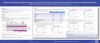
 Ritlecitinib effectively promotes hair regrowth in severe and very severe alopecia areata.
 April 2026 in “bioRxiv (Cold Spring Harbor Laboratory)”
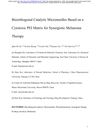
 A new microneedle patch significantly improves melanoma treatment by using a special material to activate cancer-fighting drugs and disrupt cancer cells.
1 citations
,
July 2021 in “Frontiers in Oncology” Neoadjuvant endocrine therapy led to a better future outlook than chemotherapy, with no major quality of life differences.
4 citations
,
November 2020 in “Acta Dermato Venereologica” Tofacitinib effectively improved severe skin symptoms in a patient with Hypohidrotic Ectodermal Dysplasia.
 4 citations
,
March 2023 in “Journal of controlled release”
4 citations
,
March 2023 in “Journal of controlled release” A special gel with medicine helps prevent melanoma from coming back after surgery.
10 citations
,
September 2016 in “Journal of cutaneous medicine and surgery” Patients on dabrafenib and trametinib for melanoma often experience skin side effects.
December 2013 in “Cumhuriyet Tıp Dergisi/Cumhuriyet Üniversitesi Tıp Fakültesi dergisi” Erlotinib can cause acne-like skin issues, needing early treatment and possible dosage adjustments.
5 citations
,
May 2024 in “Journal of Allergy and Clinical Immunology Global” Upadacitinib effectively improved severe atopic dermatitis and alopecia universalis in a 29-year-old man.
 January 2024 in “American journal of clinical dermatology”
 Ritlecitinib is safe and well-tolerated for treating alopecia areata in patients aged 12 and older.
173 citations
,
July 2012 in “British Journal of Dermatology” Dabrafenib can cause skin growths and sometimes low-grade skin cancer.
July 2025 in “Journal of Investigative Dermatology” Ritlecitinib reduces alopecia areata symptoms by blocking JAK3/TEC signaling and T-cell activity.
23 citations
,
October 2024 in “British Journal of Dermatology” Ritlecitinib effectively treats alopecia areata and is safe for long-term use in people 12 and older.
 August 2016 in “Journal of Dermatology”
 A chemical called 5-Bromo-2′-deoxyuridine caused rapid hair loss in mice by killing certain skin cells through a specific cell death pathway.