 1 citations
,
June 2023 in “International journal of basic science in medicine”
1 citations
,
June 2023 in “International journal of basic science in medicine” Adiantum capillus-veneris may help with respiratory issues, but more research is needed.

Coreopsis tinctoria Nutt. extract can effectively dye hair yellow or dark brown with good wash durability.
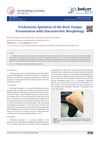 May 2020 in “JOJ Dermatology & Cosmetics”
 A rare skin condition usually on the face was found on a man's heel.
20 citations
,
December 2021 in “Plants” Tamarix aphylla may be effective for various medical conditions, but more research is needed to confirm its safety and effectiveness.
45 citations
,
December 2007 in “The FASEB journal” There are two types of stem cells in rodent hair follicles, each with different keratin proteins.
34 citations
,
December 1984 in “Journal of Cutaneous Pathology” Monilethrix hair issues are due to problems in the hair's internodes.
 4 citations
,
August 2018 in “International Journal of Current Microbiology and Applied Sciences”
4 citations
,
August 2018 in “International Journal of Current Microbiology and Applied Sciences” Eclipta prostrata leaves contain various compounds with medicinal properties.
6 citations
,
October 1998 in “PubMed” Antifungal treatment can improve severe skin infections with cutaneous horns.
 July 2026 in “Preprints.org”
 A cysteamine-derived compound helps hair stay straight in high humidity.
1 citations
,
December 2021 in “Jurnal Insan Farmasi Indonesia” Pomade with 12% ethanol extract of Momordica charantia L. leaves promotes the most hair growth.
 April 2026 in “Zenodo (CERN European Organization for Nuclear Research)”
 Hibiscus rosa-sinensis has many health benefits but needs more research for full understanding.
September 2025 in “Discover Chemistry.” Alpinia calcarata, Alpinia galanga, and Alpinia zerumbet have potential health benefits, including fiber, antimicrobial, antioxidant, and cardiovascular properties.
 May 2023 in “Endocrine, metabolic & immune disorders”
 Hibiscus rosa-sinensis is used in traditional medicine and is safe in high doses, with various health benefits.
19 citations
,
June 2010 in “Journal of acupuncture and meridian studies” A plant extract was found to effectively block an enzyme related to male hormone-related diseases.
2 citations
,
August 2017 in “Experimental Dermatology” A human serum-enriched medium effectively supports melanocyte growth and activity without using animal-derived supplements.
72 citations
,
July 1984 in “Journal of Investigative Dermatology”  July 2025 in “International Journal of Allied Medical Sciences and Clinical Research”
 Eclipta prostrata is a medicinal herb with potential health benefits for various conditions and could be used in modern medicine.
5 citations
,
January 2021 in “Pakistan Journal of Nematology” Citrullus colocynthis is a valuable natural option for medicine and pest control.
1 citations
,
January 2018 in “International Journal of Trichology” Circle hairs are harmless, spiral-shaped body hairs that don't need medical treatment.
August 2022 in “Ad-Dawaa' Journal of Pharmaceutical Sciences” Hibiscus rosa-sinensis L. and Baccaurea racemosa extracts help hair growth.
 January 2025 in “Natural Product Research”
 Nyctanthes arbor-tristis has potential health benefits and needs more research for safe medicinal use.
 December 2025 in “Zenodo (CERN European Organization for Nuclear Research)”
 Hibiscus rosa-sinensis has potential health benefits, including anti-inflammatory and antioxidant effects, but more research is needed.
 4 citations
,
July 2023 in “Legume Research - An International Journal”
4 citations
,
July 2023 in “Legume Research - An International Journal” Leucaena seeds are nutritious but need treatment to reduce toxicity.
2 citations
,
January 2002 in “Zhiwu Yanjiu” Capitate trichomes have more endoplasmic reticulum and vacuoles, while peltate trichomes have more plastids and larger subcuticular spaces.
April 2012 in “韓國藥用作物學會誌 = Korean journal of medicinal crop science” Rosa multiflora root extract promotes hair growth and prevents hair loss.
11 citations
,
May 2021 in “Asian Journal of Pharmaceutical and Clinical Research” Eclipta alba (Bhringraj) helps protect the liver and promotes hair growth.
June 2026 in “Skin Appendage Disorders” Pili annulati may be more common than thought, so recognizing its features is important for diagnosis.
 December 2025 in “Zenodo (CERN European Organization for Nuclear Research)”
 Tridax procumbens is a promising herb for developing safe, affordable plant-based medicines.