 1 citations
,
May 2006 in “Expert Opinion on Therapeutic Patents”
1 citations
,
May 2006 in “Expert Opinion on Therapeutic Patents” No FDA-approved treatments for chemotherapy-induced hair loss existed in 2006; more research was needed.
 1 citations
,
January 2005 in “Side effects of drugs annual”
1 citations
,
January 2005 in “Side effects of drugs annual” The document concluded that various dermatological treatments have different effectiveness and side effects, with some causing irritation, allergic reactions, or systemic effects.
 1 citations
,
April 1987 in “American Journal of Nursing”
1 citations
,
April 1987 in “American Journal of Nursing” Some drugs can cause serious side effects, like hypoglycemia from mix-ups, skin reactions, or depression, and while penicillamine may help rheumatoid arthritis more than auranofin, it has more severe side effects.
 June 2026 in “Pathology & Oncology Research”
 Scalp cooling helps prevent hair loss during certain breast cancer treatments, especially when anthracyclines aren't used.
 May 2026 in “Research Square”
 Combining scalp cooling with a special lotion helps prevent severe hair loss in breast cancer patients undergoing chemotherapy.
 April 2026 in “Frontiers in Pharmacology”
 Erzhi Pill shows promise for health issues but needs better quality control and clearer usage guidelines.

Permanent micropigmentation can help cancer survivors feel better about themselves by restoring eyebrows lost during chemotherapy.
 February 2026 in “Oncology Reviews”
 Sacituzumab tirumotecan shows promise in treating breast cancer with manageable side effects.
 November 2025 in “Frontiers in Pharmacology”
 64 drugs can cause hair loss, needing better monitoring and updated labels.
 November 2025 in “Frontiers in Pharmacology”
 Botanical treatments like saw palmetto, rosemary oil, and ginseng may help reduce hair loss in menopausal women.
 September 2025 in “BULLETIN OF STOMATOLOGY AND MAXILLOFACIAL SURGERY”
 Better supportive care is needed to manage chemotherapy side effects.
 January 2025 in “Journal of Pharmaceutical Research Science & Technology”
 Dissolving microneedles offer efficient, minimally invasive drug delivery through the skin.
 January 2025 in “Drug repurposing”
 New drug uses show promise but need more research.
 February 2024 in “Journal of Modern Oncology”
 Scalp cooling effectively prevents hair loss during chemotherapy in most cases.
 April 2017 in “The journal of investigative dermatology/Journal of investigative dermatology”
 QMSI is a valuable method for studying drug penetration in skin tissues.
 January 2003 in “American Journal of Clinical Dermatology”
 In 2002, various skin reactions were reported due to different drugs, including allergies, hair loss, skin lesions, and other skin conditions.
 February 1961 in “The Lancet”
 Some new drugs show potential for treating blood cancers but have serious side effects and need more research.
 37 citations
,
April 2010 in “FEBS Letters”
37 citations
,
April 2010 in “FEBS Letters” The study concludes that the EDA2R gene is activated by p53 during chemotherapy but is not necessary for chemotherapy-induced hair loss.
 19 citations
,
June 2011 in “British Journal of Dermatology”
19 citations
,
June 2011 in “British Journal of Dermatology” Severe digestive issues in DRESS need early endoscopy for better treatment.
 5 citations
,
August 2018 in “European Psychiatry”
5 citations
,
August 2018 in “European Psychiatry” Some psychiatric drugs can cause severe hair loss, especially valproic acid, and it's more likely in women or those with thyroid issues or past hair loss.
 2 citations
,
March 2024 in “Supportive Care in Cancer”
2 citations
,
March 2024 in “Supportive Care in Cancer” Penguin Cold Caps help most patients keep at least half their hair during chemotherapy.
 2 citations
,
August 2013 in “British Journal of Dermatology”
2 citations
,
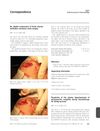
August 2013 in “British Journal of Dermatology” Chemotherapy improved a girl's painful foot condition linked to pachyonychia congenita.
 March 2014 in “Journal of The American Academy of Dermatology”
 A botanical extract may help manage hair loss from chemotherapy by preventing cell death in hair follicles.
 150 citations
,
March 1995 in “Annals of Oncology”
150 citations
,
March 1995 in “Annals of Oncology” Palliative chemotherapy is cost-effective for advanced gastric and colorectal cancer but not clearly for pancreatic-biliary cancer.
 69 citations
,
February 2021 in “PLoS Computational Biology”
69 citations
,
February 2021 in “PLoS Computational Biology” Securinine and ajmaline may effectively treat liver cancer, with securinine being less toxic to normal cells.
 18 citations
,
May 2020 in “Biomolecules”
18 citations
,
May 2020 in “Biomolecules” Spironolactone, a heart and liver drug, has new uses including cancer treatment, viral infection prevention, and skin condition improvement.
 May 2025 in “Life Studies”
 Lung cancer patients on immunotherapy and chemotherapy often experience severe fatigue, drowsiness, and appetite loss.
 July 2008 in “Biomedical Imaging and Intervention Journal”
 New cancer treatments are more precise and less toxic, improving survival rates, but Asia faces challenges in adopting these advancements.
 69 citations
,
June 2017 in “Experimental Biology and Medicine”
69 citations
,
June 2017 in “Experimental Biology and Medicine” Advanced human skin models improve drug development and could replace animal testing.
 59 citations
,
August 2018 in “The oncologist”
59 citations
,
August 2018 in “The oncologist” Some breast cancer patients still experience hair loss three years after chemotherapy, especially with taxane-based treatments.