 September 2025 in “Indian Dermatology Online Journal”
 Using baked goods as visual aids helps people understand skin conditions better.
44 citations
,
April 2023 in “Frontiers in Molecular Biosciences” Long COVID is complex, affects many survivors, and needs more research for effective treatments.
 8 citations
,
July 2022 in “International Journal of Molecular Sciences”
8 citations
,
July 2022 in “International Journal of Molecular Sciences” Skin cells release substances important for healing and fighting infection, and understanding these could improve skin disorder treatments.
 5 citations
,
December 2022 in “Toxins”
5 citations
,
December 2022 in “Toxins” Neurotoxins can affect neurotransmitter release and have potential in treating muscle, pain, and cancer conditions, but more research is needed on how they work.
4 citations
,
August 2025 in “Molecules” Medicinal plants show promise for skin disorders but need more research for safe clinical use.
3 citations
,
September 2025 in “ChemMedChem” Multitarget drugs are needed to better treat complex diseases.
1 citations
,
November 2024 in “Sciences of Phytochemistry” Bananas are highly nutritious and offer numerous health benefits, including anti-inflammatory and anticancer effects.
 May 2023 in “Clinical, Cosmetic and Investigational Dermatology”
 The research found proteins in human skin cells that help with wound healing and hair growth, which could lead to new treatments.
 3 citations
,
October 2022 in “Frontiers in Surgery”
3 citations
,
October 2022 in “Frontiers in Surgery” Proteomics combined with other technologies can lead to a better understanding of skin diseases.
 21 citations
,
November 2021 in “Biomolecules”
21 citations
,
November 2021 in “Biomolecules” Eclipta prostrata is a medicinal plant that helps treat diseases, protects the liver and nerves, and promotes hair growth.
 May 2026 in “Osong Public Health and Research Perspectives”
 Ayush practitioners should be integrated into outbreak investigations in India to improve public health efforts.
 October 2025 in “Revista Ibero-Americana de Humanidades, Ciências e Educação”
 Dengue can cause anxiety, depression, and other mental health issues.
 1 citations
,
March 2020 in “Poster presentations”
1 citations
,
March 2020 in “Poster presentations” SLE patients need careful diagnosis to distinguish infections from disease flares for proper treatment.
 January 2024 in “Editora In Vivo eBooks”
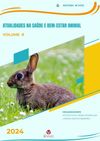
 H5N1 avian flu poses risks to birds and humans, requiring strict biosecurity measures.
January 2026 in “Industrial Psychiatry Journal” Dengue fever can cause significant mental health issues like anxiety and depression.
1 citations
,
April 2018 in “Infectious diseases in clinical practice” Travel history and tick-borne diseases should be considered in unexplained fevers for timely diagnosis and treatment.
 14 citations
,
August 2018 in “Frontiers in Cellular and Infection Microbiology”
14 citations
,
August 2018 in “Frontiers in Cellular and Infection Microbiology” Dengue virus can infect human hair follicle cells and may cause hair loss.
March 2023 in “Italian journal of dermatology and venereology” 53 citations
,
December 2012 in “Revista da Sociedade Brasileira de Medicina Tropical” Dengue symptoms and liver issues can persist for over two months, especially in men.
 January 2026 in “Journal of Case Reports and Scientific Images”
 Homeopathic treatment may help manage alopecia areata by considering the whole person.
 39 citations
,
June 1982 in “The BMJ”
39 citations
,
June 1982 in “The BMJ” Blood tests confirmed a baby in the womb had a CMV infection.
 April 2026 in “Frontiers in Pharmacology”
 Erzhi Pill shows promise for health issues but needs better quality control and clearer usage guidelines.
 January 2018 in “Skin appendage disorders”
 The document focused on hair disorders, especially alopecia, and discussed treatments and impacts on quality of life.
9 citations
,
October 2020 in “Journal of the European Academy of Dermatology and Venereology” Children with chilblain-like lesions may have a link to COVID-19.
 1 citations
,
August 2025 in “Cermin Dunia Kedokteran”
1 citations
,
August 2025 in “Cermin Dunia Kedokteran” Dengue is more severe in children than adults, with higher risks of serious complications and death.
 September 2024 in “Cermin Dunia Kedokteran”
 Improving medical training is key to eradicating frambusia by 2030.
 100 citations
,
November 2021 in “Cell Research”
100 citations
,
November 2021 in “Cell Research” Cepharanthine and Trifluoperazine are effective against SARS-CoV-2.
June 2025 in “Basrah Journal of veterinary Research” Vaccination and hygiene are key to preventing Feline Calicivirus in cats.