February 2026 in “Endokrynologia Polska” Early diagnosis and treatment are crucial for managing Berardinelli–Seip syndrome.
April 2026 in “Actas Dermo-Sifiliográficas” Scalp cooling and minoxidil can help manage hair loss after chemotherapy.
5 citations
,
November 1979 in “PubMed” A hereditary condition causes hair loss and twisted hair in some family members.
 103 citations
,
December 2011 in “Journal of the American Academy of Dermatology”
103 citations
,
December 2011 in “Journal of the American Academy of Dermatology” Chemotherapy often causes temporary hair loss, which is distressing and needs better treatment and support.
July 2004 in “Journal of Clinical Oncology” Isolated limb perfusion is a safe and effective treatment for limb melanoma.
 11 citations
,
April 2020 in “Journal of The American Academy of Dermatology”
11 citations
,
April 2020 in “Journal of The American Academy of Dermatology” Microinflammation is more intense in smaller hair follicles and may be linked to hair loss.
Spiny keratoderma is a rare skin condition with small spines on palms and soles, possibly linked to abnormal hair formation.
 January 2025 in “Indian Dermatology Online Journal”
 Treatment reduced cystic lesions but didn't change existing Nevus Comedonicus.
4 citations
,
September 1992 in “Journal of Small Animal Practice” A French bulldog had sparse hair due to a condition similar to that seen in Chinese crested dogs.
1 citations
,
January 2026 in “International Journal of Dermatology” Dupilumab can cause unexpected scalp issues, so early symptom recognition is important to avoid hair loss.
 14 citations
,
January 2013 in “Journal of Cutaneous Medicine and Surgery”
14 citations
,
January 2013 in “Journal of Cutaneous Medicine and Surgery” Some cancer treatments can cause permanent hair loss.
 October 2022 in “The Journal of Family Practice”
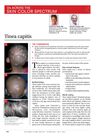
 Tinea capitis is a scalp fungal infection in children that can cause hair loss, scaling, and other symptoms.
 December 2022 in “Curēus”
 Genetic testing confirmed a young girl has Atrichia with Papular Lesions due to mutations in the hairless gene.
 March 2019 in “Nasza Dermatologia Online”
 A rare scalp condition with hair loss was correctly diagnosed and treated, leading to hair regrowth.
28 citations
,
May 1998 in “Journal of the American Academy of Dermatology” Scalp inflammation can cause multiple hairs to grow from one follicle.
 39 citations
,
August 2021 in “JAAD International”
39 citations
,
August 2021 in “JAAD International” COVID-19 patients often experience hair loss and scalp pain, which may be related to the severity of their infection and treatment drugs.
 11 citations
,
September 2021 in “Anais Brasileiros de Dermatologia”
11 citations
,
September 2021 in “Anais Brasileiros de Dermatologia” The conclusion is that early diagnosis of skin signs linked to diseases like Lupus, Dermatomyositis, and Rheumatoid Arthritis is crucial to prevent serious complications.
 10 citations
,
January 2021 in “BioMed Research International”
10 citations
,
January 2021 in “BioMed Research International” Some recovered COVID-19 patients experience skin, hair, and nail issues, suggesting they need follow-up care.
 7 citations
,
March 2022 in “Indian Pediatrics”
7 citations
,
March 2022 in “Indian Pediatrics” COVID-19 can cause skin problems in children.
3 citations
,
February 2020 in “The Egyptian Rheumatologist” Recognizing LET and AITD can help diagnose SLE early for better treatment.
 2 citations
,
July 2023 in “Life”
2 citations
,
July 2023 in “Life” COVID-19 can cause temporary hair loss, which is commonly reversible with treatment.
1 citations
,
March 2024 in “Pathogens” Beau's lines on nails may indicate severe COVID-19 or vaccination response.
1 citations
,
September 2021 in “Advances in skin & wound care” SARS-CoV-2 might infect and multiply in skin tissue, possibly aiding in its transmission.
 January 2024 in “Pediatric rheumatology online journal”
 Early genetic testing and JAK inhibitors can help treat systemic inflammation in SAVI patients.
 April 2021 in “European medical journal”
 A COVID-19 patient had severe and long-lasting skin issues and unusual hair loss.
April 2025 in “Digital Commons - East Tennessee State University (East Tennessee State University)” Long COVID can cause lasting health issues like fatigue and brain fog, especially in those with severe initial infections or no vaccination.
 January 2024 in “Aging medicine”
 A COVID-19 infected patient with chronic kidney disease experienced worsened kidney function, hair loss, and unexpected wart clearance.
 1 citations
,
February 2013 in “Clinical pediatrics”
1 citations
,
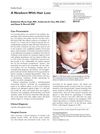
February 2013 in “Clinical pediatrics” The baby’s hair loss was due to a rare genetic condition, not treatable by usual methods.
6 citations
,
May 2002 in “British journal of dermatology/British journal of dermatology, Supplement” A rare skin condition linked to leukemia improved with chemotherapy.
January 2022 in “Indian dermatology online journal” A baby with a skin condition improved with treatment but developed a rare form of the condition affecting only his trunk.