 September 2017 in “Majallah-i taḥqīqāt-i ̒ulūm-i pizishkī-i Zāhidān”
 Androgenetic alopecia is a long-term, immune-related disorder that starts during puberty due to androgen secretion, and it might be improved with iron tablets, platelet transfusion, and anti-inflammation therapy.
 6 citations
,
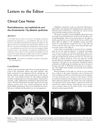
February 2004 in “Clinical and Experimental Ophthalmology”
6 citations
,
February 2004 in “Clinical and Experimental Ophthalmology” The document concludes that careful diagnosis is crucial for chromosome 13q deletion syndrome, tamoxifen can cause reversible eye damage, finasteride may be linked to cataracts, and OCT is useful for diagnosing macular diseases.
2 citations
,
June 2024 in “JAAD reviews.” Some drugs can cause permanent hair loss, though it's rare.
 50 citations
,
November 2010 in “Plastic and Reconstructive Surgery”
50 citations
,
November 2010 in “Plastic and Reconstructive Surgery” Botox increased hair count in men with baldness and might work by improving scalp blood flow.
 30 citations
,
March 2010 in “European Journal of Dermatology”
30 citations
,
March 2010 in “European Journal of Dermatology” Hair loss in elderly women is often caused by various factors, including hormonal changes after menopause.
 1 citations
,
May 2001 in “Pharmacology & Toxicology”
1 citations
,
May 2001 in “Pharmacology & Toxicology” Cyproterone acetate may cause liver cancer at high doses, but is considered safe at recommended doses for approved uses.
 July 1996 in “Trends in Endocrinology and Metabolism”
 The book is a valuable reference on androgenic disorders for professionals but not suitable for laypeople or medical students.
67 citations
,
July 2011 in “Clinical, cosmetic and investigational dermatology” The document suggests a personalized treatment plan for alopecia areata based on the patient's age and hair loss severity, using a range of therapies ranked by effectiveness and safety.
48 citations
,
April 2021 in “Journal of the American Academy of Dermatology” Topical corticosteroids are the best initial treatment for children's alopecia areata.
40 citations
,
October 2012 in “Dermatologic clinics” More research is needed to understand the genetic causes of Alopecia areata to develop better treatments.
 24 citations
,
March 2018 in “Experimental Dermatology”
24 citations
,
March 2018 in “Experimental Dermatology” Treg dysfunction is linked to various autoimmune skin diseases, and understanding Treg properties is key for new treatments.
21 citations
,
November 2015 in “The journal of investigative dermatology. Symposium proceedings/The Journal of investigative dermatology symposium proceedings” There is no cure for alopecia areata, but treatments like JAK inhibitors show promise.
20 citations
,
March 2021 in “Drug design, development and therapy” Topical immunotherapy can treat alopecia areata, but its effectiveness varies and the exact mechanism is unclear.
19 citations
,
July 2020 in “EBioMedicine” A gene variant increases the risk of a type of hair loss by affecting hair protein production.
 18 citations
,
April 2013 in “Inflammatory Bowel Diseases”
18 citations
,
April 2013 in “Inflammatory Bowel Diseases” People with Inflammatory Bowel Disease often lose hair due to stress, medication side effects, or lack of nutrients, and treatment depends on the specific cause.
14 citations
,
September 2021 in “Journal of Inflammation Research” Alopecia areata patients, especially women with nail issues or atopic diseases, are at higher risk for other autoimmune diseases.
 10 citations
,
February 2022 in “JMIR Dermatology”
10 citations
,
February 2022 in “JMIR Dermatology” People with Down syndrome often have skin issues and need regular check-ups for early treatment.
6 citations
,
October 2021 in “Biomedical Research and Therapy” Alopecia areata patients have higher levels of IL-6 and TNF-α.
 5 citations
,
August 2018 in “PubMed”
5 citations
,
August 2018 in “PubMed” An 8-year-old with severe hair loss regrew all hair after six months of tofacitinib treatment.
 5 citations
,
March 2011 in “Journal of pediatric health care”
5 citations
,
March 2011 in “Journal of pediatric health care” The girl with autoimmune hair loss might regrow hair within a year, and treatments can help but not prevent recurrence; dermatologist referral and corticosteroids are recommended.
4 citations
,
November 2025 in “Nature Reviews Disease Primers” 2 citations
,
June 2024 in “Journal of Clinical Medicine” Alopecia Areata can affect nails, often improving on its own, but JAK inhibitors may help.
1 citations
,
January 2021 in “Skin appendage disorders” Alopecia areata in children is usually mild and effectively treated with strong topical steroids.
1 citations
,
August 2005 in “Springer eBooks” Alopecia areata is an autoimmune disease with genetic links, treatable with certain medications, and can affect mental health.

Biotin supplements don't consistently help hair growth in alopecia unless there's a deficiency.
 May 2026 in “SHILAP Revista de lepidopterología”
 Dupilumab effectively treated severe alopecia areata in a child.
July 2025 in “Russian Journal of Clinical Dermatology and Venereology” Alopecia areata in children requires thorough diagnosis and treatment due to its impact on quality of life and link to other autoimmune diseases.
 October 2024 in “Asian Journal of Pharmaceutical and Clinical Research”
 Topical methotrexate is more effective and as safe as betamethasone for treating alopecia areata.
 May 2024 in “Frontiers in Immunology”
 Type-2 immunity may influence skin diseases and could be targeted for treatment.
April 2024 in “Cosmetics” Wigs help improve self-esteem and quality of life for people with hair loss from alopecia areata.