9 citations
,
February 2020 in “Stress” Children with lower inhibitory control experience more stress when starting third grade.
 9 citations
,
February 2019 in “Journal of Clinical Research in Pediatric Endocrinology”
9 citations
,
February 2019 in “Journal of Clinical Research in Pediatric Endocrinology” Children with classic congenital adrenal hyperplasia have thicker heart fat and are at higher risk for heart problems and early atherosclerosis.
 8 citations
,
January 2008 in “European Journal of Pediatrics”
8 citations
,
January 2008 in “European Journal of Pediatrics” Children with autoimmune gastritis showed improved intestinal health over time and should be checked for other autoimmune conditions.
 6 citations
,
October 1993 in “The journal of the Royal Society of Health”
6 citations
,
October 1993 in “The journal of the Royal Society of Health” Children's hair loss has many causes and requires careful diagnosis and personalized treatment, including emotional support.
 6 citations
,
May 1993 in “Archives of Disease in Childhood”
6 citations
,
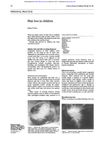
May 1993 in “Archives of Disease in Childhood” Children's hair loss can be caused by many factors, including autoimmune diseases, emotional stress, genetics, and infections, with treatment and prognosis varying.
6 citations
,
January 1971 in “Pathology” Children's hair needs only a little iron for normal growth, regardless of their body's iron levels.
 5 citations
,
May 2021 in “Journal of Cosmetic Dermatology”
5 citations
,
May 2021 in “Journal of Cosmetic Dermatology” More children are showing signs of hair-pulling disorders during the COVID-19 pandemic due to stress and lack of social interaction.
5 citations
,
April 1992 in “Pediatrics in review” Children can get skin fungal infections, which are easy to diagnose and treat.
4 citations
,
October 2023 in “Children” Early diagnosis and comprehensive care are crucial for managing Focal Dermal Hypoplasia's complex symptoms.
3 citations
,
November 2021 in “Stress” Girls had higher stress hormone levels during school due to social and emotional issues, while boys had higher overall hormone levels with slight changes when school started.
1 citations
,
November 2025 in “International Journal of Dermatology” The AAcQLI is a promising tool for assessing quality of life in children with alopecia areata.
1 citations
,
May 2024 in “Archives of Dermatological Research” Children with alopecia areata often face neglectful parenting, leading to higher anxiety and depression.
1 citations
,
December 2023 in “Experimental Dermatology” Children with alopecia areata before age 4 may have better short-term hair regrowth.
 1 citations
,
January 2017 in “Journal of Pakistan Association of Dermatology”
1 citations
,
January 2017 in “Journal of Pakistan Association of Dermatology” Children with systemic lupus erythematosus have different skin symptoms than adults.
 1 citations
,
May 2016 in “Current Opinion in Pediatrics”
1 citations
,
May 2016 in “Current Opinion in Pediatrics” Children's hair loss can be caused by various factors and should be treated with appropriate, age-specific methods and psychological support.
 1 citations
,
February 2009 in “Journal of The American Academy of Dermatology”
1 citations
,
February 2009 in “Journal of The American Academy of Dermatology” Children's Serum Sickness-Like Reaction is often linked to antibiotics, especially amoxicillin, and involves symptoms like rash, fever, and joint issues.
 May 2026 in “Research Square”
 Children with alopecia areata often face more stress and depression, especially related to separation, which can affect their condition.
March 2026 in “International Journal of Dermatology” Children can develop excessive hair growth from indirect contact with minoxidil, but it usually reverses after stopping exposure.
 February 2026 in “Journal of Clinical Research in Pediatric Endocrinology”
 Children with Turner Syndrome often have skin, hair, and nail issues linked to hormonal problems, so regular skin checks are recommended.
Children with alopecia areata need supportive care and off-label treatments due to a lack of approved options.
June 2025 in “Pediatric Dermatology” Children's books on alopecia need more medical accuracy and diversity to better support affected kids.
March 2025 in “Journal of Investigative Dermatology” Children's books on alopecia and trichotillomania often miss important treatment information.
 December 2024 in “International Journal of Community Medicine and Public Health”
 Children with celiac disease often have skin issues, best managed with a gluten-free diet and sometimes medication.
 April 2024 in “Research Square”
 Children with alopecia areata often experience more anxiety and depression, linked to neglectful family dynamics.
 April 2024 in “Journal of cosmetic dermatology”
 Children with alopecia areata have more exclamation mark hairs and fewer yellow dots than adults.
April 2024 in “Indian Journal of Paediatric Dermatology” Children with alopecia areata in Singapore generally have a good quality of life.
November 2023 in “Medical Immunology (Russia)” Children with alopecia areata have immune imbalances and are more likely to have certain health issues.
September 2023 in “Zenodo (CERN European Organization for Nuclear Research)” Children may have lingering respiratory issues after recovering from COVID-19.
January 2022 in “Indian journal of paediatric dermatology” Children with early graying hair might have lower levels of certain nutrients like zinc, magnesium, and Vitamin B12.
Children with chronic kidney disease often have skin, hair, and nail problems.