 6 citations
,
March 1984 in “British journal of addiction”
6 citations
,
March 1984 in “British journal of addiction” The Edwardian medical campaign linked maternal drinking to infant mortality and national decline, influencing hygiene education and leading to a ban on children under 14 from pubs.
 4 citations
,
June 2019 in “Journal of Ayurvedic and Herbal Medicine”
4 citations
,
June 2019 in “Journal of Ayurvedic and Herbal Medicine” Ayurvedic treatment effectively regrew hair in a child with alopecia areata in 8 weeks.
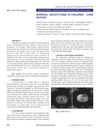 4 citations
,
November 2013 in “Journal of IMAB - Annual Proceeding (Scientific Papers)”
4 citations
,
November 2013 in “Journal of IMAB - Annual Proceeding (Scientific Papers)” A rare adrenal tumor in a 9-year-old girl was successfully treated with surgery.
3 citations
,
December 2024 in “Pediatric Dermatology” Lichen planopilaris can cause patchy hair loss in children and may respond to certain treatments.
 3 citations
,
March 2011 in “Informa Healthcare eBooks”
3 citations
,
March 2011 in “Informa Healthcare eBooks” Acne in children varies by age and severity, requires a pediatric treatment approach, and may need diagnostic evaluation for underlying conditions.
2 citations
,
February 2024 in “Journal of the European Academy of Dermatology and Venereology” Diffuse alopecia areata in children has unique features and needs specific treatment.
2 citations
,
December 2021 in “Journal of Drugs in Dermatology” Early diagnosis and treatment of alopecia in children are crucial for managing physical and psychological impacts.
 2 citations
,
February 2021 in “The Pediatric Infectious Disease Journal”
2 citations
,
February 2021 in “The Pediatric Infectious Disease Journal” Hair loss may be a delayed side effect of Multisystem Inflammatory Syndrome in children after COVID-19.
 2 citations
,
January 2021 in “Scandinavian Journal of Child and Adolescent Psychiatry and Psychology”
2 citations
,
January 2021 in “Scandinavian Journal of Child and Adolescent Psychiatry and Psychology” Kids with skin problems are more likely to have mental health issues.
 1 citations
,
June 2025 in “American Journal of Clinical Dermatology”
1 citations
,
June 2025 in “American Journal of Clinical Dermatology” Scalp cooling and minoxidil can help manage hair loss in children with cancer, but more research is needed.
 1 citations
,
August 2021 in “Педиатр”
1 citations
,
August 2021 in “Педиатр” Endocrine diseases in children often cause skin changes like dryness, redness, acne, hair loss, and more.
 1 citations
,
May 2021 in “Annals of the rheumatic diseases”
1 citations
,
May 2021 in “Annals of the rheumatic diseases” Tofacitinib is a promising treatment for children with rheumatic diseases.
1 citations
,
January 2021 in “Skin appendage disorders” Alopecia areata in children is usually mild and effectively treated with strong topical steroids.
1 citations
,
January 2019 in “Jordan Medical Journal” Zinc deficiency in children can cause skin issues and is often overlooked.
 1 citations
,
June 2018 in “International Journal of Contemporary Pediatrics”
1 citations
,
June 2018 in “International Journal of Contemporary Pediatrics” Poor nutrition in young children causes skin and hair issues, highlighting the need for better nutrition education.
1 citations
,
January 2017 in “Annals of dermatology/Annals of Dermatology” Mineral levels in hair don't significantly affect the severity of atopic dermatitis in children.
1 citations
,
September 2014 in “Turkish Journal of Dermatology” Alopecia areata severity in children is linked to atopy history, disease duration, and nail involvement, but not anemia.
 1 citations
,
December 2007 in “Drug and therapeutics bulletin”
1 citations
,
December 2007 in “Drug and therapeutics bulletin” New treatments for children's scalp ringworm are recommended based on recent data.
February 2026 in “International Journal of Clinical Dermatology” Alopecia areata in children shows varied forms and treatment challenges, with some achieving full or partial hair regrowth.
 July 2025 in “Berkala Ilmu Kesehatan Kulit dan Kelamin”
 Alopecia areata in children shows varied symptoms and may involve nails, needing further evaluation for other health issues.
July 2025 in “Russian Journal of Clinical Dermatology and Venereology” Alopecia areata in children requires thorough diagnosis and treatment due to its impact on quality of life and link to other autoimmune diseases.
June 2025 in “Molecular Genetics & Genomic Medicine” Severe genetic variants in children with a specific adrenal condition match predicted symptoms well, but milder variants do not.
 January 2025 in “TURKDERM”
 Alopecia areata incognito in children can be effectively treated with triamcinolone acetonide and supplements, leading to full hair regrowth.
 November 2024 in “Jurnal Biomedika dan Kesehatan”
 Premature graying in young children can affect self-esteem, and addressing underlying health issues may reverse it.
 October 2024 in “Eurasian Journal of Medicine”
 Hashimoto’s thyroiditis is more common in girls, often after puberty, and can cause neck swelling, fatigue, and hair loss.
July 2024 in “Journal of Investigative Dermatology” March 2024 in “International journal of molecular sciences” Three specific genetic variants cause severe skin issues in children with EBS, highlighting the need for early genetic screening.
Hair proteins in preschool children and their mothers could indicate developmental changes and health status.
 December 2023 in “Malahayati International Journal of Nursing and Health Science”
 Chemotherapy in children often causes hair loss, nausea, vomiting, and mood swings.
 November 2023 in “Skin appendage disorders”
 The article discusses ways to diagnose and treat hair loss in young people.