2 citations
,
April 2008 in “Advances in therapy” Proper diagnosis and treatment of childhood hair loss require distinguishing between alopecia and trichotillomania.
 1 citations
,
December 2022 in “Indian pediatrics/Indian Pediatrics”
1 citations
,
December 2022 in “Indian pediatrics/Indian Pediatrics” A toddler who accidentally swallowed hair growth medicine experienced serious heart-related side effects but recovered after hospital treatment.
 1 citations
,
December 2015 in “International journal of pediatric research”
1 citations
,
December 2015 in “International journal of pediatric research” Hair tourniquets on the clitoris are rare but can cause serious harm and should be removed quickly.
 1 citations
,
February 2014 in “Hair therapy & transplantation”
1 citations
,
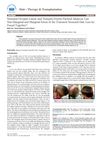
February 2014 in “Hair therapy & transplantation” A baby boy had two types of temporary hair loss at birth, which might be two forms of newborn hair loss combined.
1 citations
,
January 1986 in “PubMed” The boy's symptoms suggest a possible new medical condition.
June 2026 in “International Journal of Homoeopathic Sciences” This case analysis examines a 7-year-old girl with alopecia areata linked to emotional stress and family conflicts. The child was treated with homeopathic remedies Tellurium 30 and Nux Vomica 30, tailored to her mental and physical symptoms. The treatment led to a reduction in itching, decreased hair shedding, and visible hair regrowth, highlighting the potential of individualized homeopathic management in pediatric alopecia areata cases associated with emotional stress.
January 2026 in “Neuroscience Applied” Hair cortisol levels decrease as children age, stabilizing around age 4.
July 2025 in “SVU-International Journal of Medical Sciences” Children with Vitamin D-dependent rickets type II may have severe dental issues that need a team of specialists for proper care.
 April 2025 in “BMC Urology”
 Thorough evaluations and conservative management can lead to positive outcomes in pediatric adrenocortical carcinoma.
 March 2025 in “International Journal of Trichology”
 FAPD in children may not depend on androgens and should be treated with anti-inflammatory measures and minoxidil.
 December 2024 in “Indian Journal of Dermatology”
 Dermoscopy is useful for diagnosing Atrichia with Papular Lesions in children without needing a biopsy.
January 2024 in “Indian Journal of Paediatric Dermatology” A rare case links early-onset alopecia universalis and nephrotic syndrome, suggesting genetic immune issues.
 March 2023 in “International journal of trichology”
 Six genetic conditions are often linked to complete scalp hair loss in children.
 February 2023 in “Cosmoderma”
 An infant with complete hair loss was diagnosed with a genetic disorder affecting hair growth.
 November 2022 in “Journal of Investigative Dermatology”
 Most Recessive Dystrophic Epidermolysis Bullosa patients with a specific mutation likely have Sephardic ancestry from about 500 years ago.
 June 2021 in “International journal of research in dermatology”
 A boy and his father with hereditary hypotrichosis simplex were treated for hair loss, but the treatment result is unknown.
 January 2021 in “Indian Journal of Paediatric Dermatology”
 Topical tretinoin 0.025% cream is an effective treatment for Eruptive Vellus Hair Cysts in children.
 October 2014 in “Archives of disease in childhood”
 Childhood cancer diagnosis leads to long-term physical and emotional health issues in parents.
June 2014 in “Toxicologie analytique et clinique/Annales de toxicologie analytique” Hair analysis can be unreliable due to external contamination and varying drug concentrations.
Children under 18 had milder SARS with no deaths, but teenagers faced higher severe illness risk, and effective treatments were uncertain.
3 citations
,
October 2020 in “Arthritis Care & Research” New tools and criteria have been developed to better assess and treat pediatric lupus.
 85 citations
,
February 1989 in “Journal of The American Academy of Dermatology”
85 citations
,
February 1989 in “Journal of The American Academy of Dermatology” Children with loose anagen hair have easily pluckable hair due to root sheath problems, and it might improve without treatment.
84 citations
,
August 1991 in “British Journal of Dermatology” Most children treated with diphencyprone regrew some or all of their hair.
 76 citations
,
May 2011 in “Liver transplantation”
76 citations
,
May 2011 in “Liver transplantation” Liver transplantation is a viable option for children with propionic acidemia, improving quality of life and diet, but does not remove all risks and long-term brain outcomes are uncertain.
73 citations
,
January 1980 in “Annals of Neurology” Valproic acid can cause serious side effects, including pancreatitis and even death.
 62 citations
,
March 2011 in “European journal of endocrinology”
62 citations
,
March 2011 in “European journal of endocrinology” Some parents have a mild form of congenital adrenal hyperplasia without symptoms, and they usually don't need treatment.
 51 citations
,
January 2014 in “Pediatric Clinics of North America”
51 citations
,
January 2014 in “Pediatric Clinics of North America” The guide explains how to identify and treat children's hair loss, including fungal infections, autoimmune disorders, hairstyle changes, self-correcting conditions, and behavioral therapy for hair-pulling.
 42 citations
,
November 2004 in “Paediatric Respiratory Reviews”
42 citations
,
November 2004 in “Paediatric Respiratory Reviews” Children generally have milder SARS symptoms than adults, with good outcomes and no deaths reported, but long-term effects are unclear.
37 citations
,
June 2011 in “Pediatrics in Review” Puberty is driven by hormonal changes, mainly influenced by genetics, nutrition, and body fat.
28 citations
,
January 2016 in “Current Pharmaceutical Biotechnology” Maqui berry has many health benefits, including antioxidant and anti-inflammatory effects.