7 citations
,
August 2024 in “Marine Drugs” Ultrasound can safely produce beneficial carrageenan from red algae.
January 2026 in “RSC Medicinal Chemistry” Calanthoside may help hair growth by boosting cell proliferation.
November 2024 in “Elsevier eBooks”  30 citations
,
December 2018 in “International Journal of Biological Macromolecules”
30 citations
,
December 2018 in “International Journal of Biological Macromolecules” Chitosan and surface-deacetylated chitin nanofibers may help treat hair loss.
50 citations
,
October 2007 in “Archives of Dermatological Research” 1 citations
,
May 2025 in “Carbohydrate Polymers” The new chitosan dressing heals wounds better and faster than current products.
 4 citations
,
November 2022 in “Journal of clinical and translational research”
4 citations
,
November 2022 in “Journal of clinical and translational research” Chitosan-based dressings reduce inflammation and speed up skin wound healing.
 21 citations
,
April 2012 in “European Journal of Pharmaceutics and Biopharmaceutics”
21 citations
,
April 2012 in “European Journal of Pharmaceutics and Biopharmaceutics” The gel with special fat-loaded particles from rice bran could be an effective skin treatment for hair loss.
32 citations
,
June 2021 in “Frontiers in Pharmacology” The hydrogel speeds up burn wound healing and promotes tissue regeneration.
 April 2017 in “Journal of Investigative Dermatology”
 Cow milk sugars increase fat production and inflammation in skin oil cells.
April 2023 in “Advances in Natural Sciences: Nanoscience and Nanotechnology” The new formulation with minoxidil, chitosan, and Aloe vera improves hair growth and reduces side effects.
5 citations
,
November 2024 in “Biomedicine & Pharmacotherapy” The chitosan-peptide system helps cartilage regeneration using fat-derived cells.
 8 citations
,
July 2017 in “Biochemical and biophysical research communications”
8 citations
,
July 2017 in “Biochemical and biophysical research communications” A new compound, BOI, can help hair grow by changing hair cycle phases and increasing certain cell contents.
 February 2021 in “Aesthetic Cosmetology and Medicine”
 Glycosaminoglycans, found in things like hyaluronic acid, help maintain skin health and stimulate hair growth, and are safe to use topically.
 2 citations
,
December 2024 in “Bulletin of Rehabilitation Medicine”
2 citations
,
December 2024 in “Bulletin of Rehabilitation Medicine” Chitosan glycolate and lactate sponges are promising for wound healing, while chitosan ascorbate sponges are less effective.
 February 2025 in “Processes”
 A new CBD topical formulation may effectively and safely treat alopecia.
11 citations
,
November 2023 in “Journal of Functional Biomaterials” The ALGCS/GO30 scaffold effectively boosts mouse spermatogonial stem cell growth.
September 2025 in “Obstetrics and gynecology.” Myoinositol effectively manages PCOS with fewer side effects than metformin.
 48 citations
,
July 2019 in “International Journal of Biological Macromolecules”
48 citations
,
July 2019 in “International Journal of Biological Macromolecules” A new hydrogel with stem cells from human umbilical cords improves skin wound healing and reduces inflammation.
September 1978 in “PubMed” Chondroitin sulphate is more abundant than hyaluronic acid in skin and hair samples, except in gamma-keratosis.
43 citations
,
January 2016 in “Oxidative medicine and cellular longevity” THSG from a Chinese plant helps with aging and related diseases.
8 citations
,
March 2023 in “Polymers” The new omeprazole nanoemulgel shows promise as a topical treatment for infections.
 March 2024 in “Romanian Medical Journal”
 Inositol shows promise in treating PCOS and other health issues, but more research is needed.
 77 citations
,
January 2015 in “International Journal of Biological Macromolecules”
77 citations
,
January 2015 in “International Journal of Biological Macromolecules” Chitosan nanoparticles improve minoxidil delivery to hair follicles for better alopecia treatment.
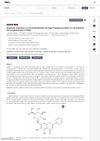
Enzymatic synthesis improved the water solubility of the flavonoid baicalin, which may help treat hair loss conditions.
May 2026 in “International Journal of Biological Macromolecules” September 2016 in “Toxicology letters” The 5050 MHA42MCS45 hydrogel blend is suitable for repairing load-bearing soft tissues.
 December 2023 in “Frontiers in microbiology”
 Mannan oligosaccharides improve raccoon dogs' fur quality and overall health.
 February 2026 in “Drug Delivery and Translational Research”
 Chitosan-coated nanocapsules improve minoxidil delivery for better hair regrowth.
A new compound from Royoporus badius activates immune cells and induces inflammatory responses.