7 citations
,
January 2022 in “Bioengineering” The formulation with oleic acid may be better for treating male pattern baldness.
1 citations
,
April 2025 in “International Journal of Biological Macromolecules” Forskolin-loaded hydrogels improve wound healing and skin repair.
 June 2026 in “Discover Nano”
 Lipid nanocarriers could effectively promote hair regrowth with fewer side effects.
 November 2025 in “International Journal of Applied and Experimental Biology”
 Hemp shows promise for skincare and hair care due to its therapeutic properties, but standardization and clinical evidence are needed.
 January 2025 in “Burns & Trauma”
 Titanium dioxide nanoparticles can help heal wounds faster and better.
 October 2024 in “International Journal of Pharma Professional’s Research (IJPPR)”
 Quercetin-loaded nanogels show promise for treating alopecia effectively.
 June 2024 in “Advanced therapeutics”
 The new hydrogel dressing effectively kills bacteria and helps wounds heal faster with hair regrowth.
 January 2024 in “International Research Journal of Modernization in Engineering Technology and Science”
 Nanotechnology improves the effectiveness of herbal hair products.
21 citations
,
March 2022 in “Pharmaceuticals” The new Brigatinib nanocarrier is more effective against lung cancer cells than the free drug.
10 citations
,
December 2023 in “International Journal of Nanomedicine” Cell membrane-coated nanoparticles could improve gene therapy by enhancing delivery and targeting of nucleic acids.
17 citations
,
January 2023 in “Frontiers in Bioengineering and Biotechnology” The sponges effectively prevent dry socket by stopping bleeding and killing bacteria after tooth extraction.
 22 citations
,
September 2019 in “ACS omega”
22 citations
,
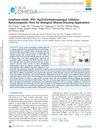
September 2019 in “ACS omega” The new nanocomposite films are stronger, protect against UV, speed up wound healing, and are antibacterial without being toxic.
18 citations
,
February 2025 in “Macromolecular Rapid Communications” Thermo-responsive polymers in nanoparticles enable targeted drug delivery and advanced therapies by releasing drugs at specific temperatures.
17 citations
,
November 2024 in “Talanta” A new method was developed to detect pesticide residues on apples without damage.
15 citations
,
July 2020 in “AAPS PharmSciTech” 11 citations
,
November 2023 in “Journal of Functional Biomaterials” The ALGCS/GO30 scaffold effectively boosts mouse spermatogonial stem cell growth.
August 2025 in “Journal of Industrial and Engineering Chemistry” A new topical finasteride formulation effectively promotes hair growth with fewer side effects.
8 citations
,
March 2023 in “Polymers” The new omeprazole nanoemulgel shows promise as a topical treatment for infections.
The hydrogels show promise for targeted cervical cancer treatment but need more testing.
January 2026 in “BioNanoScience” 27 citations
,
January 2018 in “Drug Delivery” GC10/DOX hydrogel shows promise as an effective thyroid cancer treatment.
83 citations
,
May 2021 in “Biomolecules” The 5/G hydrogel effectively improves diabetic wound healing.
 1 citations
,
August 2023 in “Advanced Drug Delivery Reviews”
1 citations
,
August 2023 in “Advanced Drug Delivery Reviews” Microneedles are promising for long-acting drug delivery and can improve patient compliance, but more data is needed to confirm their effectiveness.
 2 citations
,
August 2023 in “Life”
2 citations
,
August 2023 in “Life” Bioinspired polymers are promising for advanced medical treatments and tissue repair.
1 citations
,
December 2024 in “Science, Engineering and Health Studies” Nanocomposite patches improve drug delivery through the skin, offering controlled release and fewer side effects.
1 citations
,
November 2023 in “Polymers” Polyurethane dressings show promise for wound healing but need improvements to adapt better to the healing process.
110 citations
,
April 2020 in “Advances in Wound Care” Nanotechnology shows promise for better chronic wound healing but needs more research.
92 citations
,
February 2023 in “Antibiotics” Nanomaterials in wound dressings help fight infections and improve healing.
62 citations
,
August 2023 in “International Journal of Nanomedicine” Pluronic F127-derived hydrogels show promise for effective wound healing and repair.
 50 citations
,
February 2022 in “Nanomaterials”
50 citations
,
February 2022 in “Nanomaterials” Nanomaterials show promise in improving wound healing but require more research on their potential toxicity.