March 2026 in “International Journal of Cosmetic Science” Pal-KCV peptide strengthens hair and reduces breakage by up to 52%.
 October 2025 in “HAL (Le Centre pour la Communication Scientifique Directe)”
 Variegated coat color in cats is linked to the Silver locus.
Hair loss in African American women, caused by hair care, genetics, and environment, needs more research for better treatment.
 28 citations
,
November 2013 in “The FASEB journal”
28 citations
,
November 2013 in “The FASEB journal” Mice with CBS deficiency are healthier on a low-methionine diet.
12 citations
,
July 2004 in “Molecular genetics and genomics” A new mouse mutation causes skin and hair defects due to a gene change.
September 2007 in “The American Journal of Gastroenterology” Cronkhite-Canada syndrome causes chronic diarrhea and has a poor prognosis despite treatment.
 April 2021 in “Research Square (Research Square)”
 The new cocrystal KET-PABA is a more effective and safe anti-inflammatory treatment for skin conditions in mice.
 September 2024 in “Genes”
 CRABP1 boosts hair cell growth in Hu sheep by affecting key genes.
June 2025 in “OPAL (Open@LaTrobe) (La Trobe University)” Anti-Ku-positive patients often have muscle weakness and autophagy plays a key role in their condition.
3 citations
,
May 2021 in “Genetics and Biodiversity Journal” Citrullus colocynthis fruit extract has strong antioxidant and cancer-fighting potential.
17 citations
,
January 2023 in “Frontiers in Bioengineering and Biotechnology” The sponges effectively prevent dry socket by stopping bleeding and killing bacteria after tooth extraction.
11 citations
,
January 1957 in “Journal of Histochemistry & Cytochemistry” Ca 45 mainly enters rat skin and eye through biosynthesis and may be adsorbed in cartilage and glands.
21 citations
,
August 2002 in “British Journal of Ophthalmology” Intralesional cidofovir may be a viable alternative treatment for SCC.
 February 2026 in “Scientific Reports”
 Platycladi Cacumen may help treat hair loss by affecting certain biological pathways.
January 2014 in “Duo Research Archive (University of Oslo)” Steroid hormones may affect sexual maturation in cod by altering certain KCa channel expressions.
2 citations
,
October 2017 in “PubMed” Mild changes in bone markers relate to TCM syndromes in CKD-MBD patients.
 1 citations
,
May 2019 in “Cytotherapy”
1 citations
,
May 2019 in “Cytotherapy” The new ddPCR method reliably detects unwanted viruses in CAR-T cell products, ensuring their safety for patients.
 11 citations
,
March 2014 in “Journal of Investigative Dermatology”
11 citations
,
March 2014 in “Journal of Investigative Dermatology” Genetic mutation and carcinogen treatment are both needed for skin cancer to develop in these specific mice.

Chemotherapy can cause skin issues and hair loss, and this guide explains how to manage them.
July 2024 in “Journal of Investigative Dermatology” A new test helps find drugs to treat head and neck cancer by targeting c-Rel.
5 citations
,
May 2020 in “Clinical Phytoscience” Cuscuta reflexa leaves extract may help lower blood sugar and improve diabetes symptoms.
 December 2025 in “Cosmetics”
 The bio-based complex effectively repairs and protects chemically damaged hair.
45 citations
,
March 1997 in “Journal of Investigative Dermatology”  January 2021 in “American Journal of Applied Sciences”
 Cut hair can help link suspects to crime scenes.
 August 2013 in “Gastroenterology”
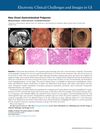
 A 60-year-old man with Cronkhite-Canada syndrome improved with treatment, but the condition has a high mortality rate and a risk of colorectal cancer.
 June 2001 in “Journal of The American Academy of Dermatology”
 The exam tested knowledge on various skin-related topics for CME credit.
 25 citations
,
September 2010 in “Journal of Cutaneous Medicine and Surgery”
25 citations
,
September 2010 in “Journal of Cutaneous Medicine and Surgery” The study found that Central Centrifugal Cicatricial Alopecia mainly affects middle-aged African descent women, is linked to certain hair care practices and genetics, and often goes undiagnosed for years.
 September 2016 in “Journal of Dermatological Science”
 The protein aPKCλ is crucial for keeping hair follicle stem cells inactive and for hair growth and regeneration.
148 citations
,
May 2012 in “The American Journal of Human Genetics” Cantú syndrome is caused by mutations in the ABCC9 gene.