 July 2018 in “Elsevier eBooks”
 Acne keloidalis nuchae is a chronic skin condition more common in African men, causing itchy or painful bumps and can lead to permanent hair loss if not treated early.
13 citations
,
March 2008 in “Journal of the European Academy of Dermatology and Venereology” Triamcinolone acetonide therapy for hair loss may cause a skin condition called linear lichen planus.
2 citations
,
October 2024 in “Archives of Dermatological Research”  3 citations
,
March 2019 in “Journal of Pigmentary Disorders”
3 citations
,
March 2019 in “Journal of Pigmentary Disorders” Clascoterone and minocycline are effective acne treatments with quick results and fewer side effects.
 April 2026 in “International Journal of Homoeopathic Sciences”
 Individualized homeopathic treatment improved acne when conventional methods failed.
2 citations
,
January 2023 in “Dermatologic Therapy” Using barrier repair creams and light therapy improves acne treatment for those with sensitive skin.
September 2023 in “Pediatric Dermatology” Dermatologists should consider hair care practices when treating acne in adolescents of color.
 42 citations
,
September 2018 in “Journal der Deutschen Dermatologischen Gesellschaft”
42 citations
,
September 2018 in “Journal der Deutschen Dermatologischen Gesellschaft” Adult female acne requires a comprehensive treatment approach, including medical options and lifestyle changes, with attention to psychological well-being.
February 2026 in “Health Science Reports” Understanding acne medication chemistry helps doctors treat acne better.
Isotretinoin is recommended for acne treatment as it is as effective as cyproterone compound.
 January 2025 in “ARC Journal of Dermatology”
 Transgender youth on hormone therapy need personalized acne treatments and supportive care.
 September 2024 in “Research Square (Research Square)”
 Many North African women with acne also have PCOS, showing more severe symptoms and higher testosterone levels.
May 2025 in “JAAD reviews.” Current treatments for neutrophilic alopecias in children are limited and often ineffective, especially for males and those of Afro-Caribbean descent.
 21 citations
,
January 2017 in “European Journal of Obstetrics & Gynecology and Reproductive Biology”
21 citations
,
January 2017 in “European Journal of Obstetrics & Gynecology and Reproductive Biology” Acne is an important sign of androgen excess disorders in women.
 6 citations
,
February 2023 in “Journal of nanobiotechnology”
6 citations
,
February 2023 in “Journal of nanobiotechnology” The new anti-acne treatment HA-P5 effectively reduces acne by targeting two key receptors and avoids an enzyme that can hinder treatment.
 June 2024 in “International journal of nanomedicine”
 Azelaic acid micro/nanocrystals, especially with ultrasound and salicylic acid, greatly improve acne treatment.
 99 citations
,
December 2010 in “Journal of The European Academy of Dermatology and Venereology”
99 citations
,
December 2010 in “Journal of The European Academy of Dermatology and Venereology” The document concludes that certain genetic mutations and dietary factors are involved in acne development, and treatments like isotretinoin and diet changes can help manage it.
 42 citations
,
July 2015 in “Journal of The American Academy of Dermatology”
42 citations
,
July 2015 in “Journal of The American Academy of Dermatology” The conclusion is that oral contraceptives and antiandrogens can treat hirsutism and acne in women with cutaneous hyperandrogenism, but more research is needed for effective treatments, especially for hair loss.
 10 citations
,
December 2002 in “International Journal of Dermatology”
10 citations
,
December 2002 in “International Journal of Dermatology” Cyproterone acetate can cause rare shortness of breath in women.
 August 2010 in “The Journal of Dermatology”
 The document concludes that low-dose acne treatment is most suitable for moderate acne, with high patient satisfaction and low relapse rates.
80 citations
,
January 1979 in “Journal of Surgical Oncology” Keratoacanthoma is a common, usually non-dangerous skin tumor that looks like squamous cell carcinoma but rarely becomes severe.
 4 citations
,
April 2016 in “Journal of Dermatology Research and Therapy”
4 citations
,
April 2016 in “Journal of Dermatology Research and Therapy” Anti-androgens are safe and effective for treating moderate to severe adult female acne.
 6 citations
,
November 1993 in “Contact dermatitis”
6 citations
,
November 1993 in “Contact dermatitis” Spironolactone in anti-acne cream can cause allergic skin reactions in some people.
 5 citations
,
January 2014 in “Postepy Dermatologii I Alergologii”
5 citations
,
January 2014 in “Postepy Dermatologii I Alergologii” Hormonal treatments like birth control pills can improve acne in women with excess hair growth and hormone imbalances.
 11 citations
,
January 2011 in “Indian Dermatology Online Journal”
11 citations
,
January 2011 in “Indian Dermatology Online Journal” Eating dairy and high glycemic foods may increase the risk of acne.
A new acne cream effectively reduced acne in trials and awaits FDA approval.
 2 citations
,
November 2018 in “Clinical and Experimental Dermatology”
2 citations
,
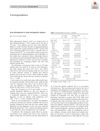
November 2018 in “Clinical and Experimental Dermatology” Acne is more common in men with male pattern baldness due to increased hormone levels.
 3 citations
,
January 2014 in “Middle East African Journal of Ophthalmology”
3 citations
,
January 2014 in “Middle East African Journal of Ophthalmology” A woman lost her hair after taking acyclovir, but it grew back when she stopped the medication.
 2 citations
,
July 2008 in “Paediatrics & child health”
2 citations
,
July 2008 in “Paediatrics & child health” Severe acne in a young girl may indicate underlying hormonal issues.
8 citations
,
July 2003 in “Annals of the Rheumatic Diseases” A 13-year-old girl with various symptoms was successfully treated with an antibiotic called co-trimoxazole.