 October 2021 in “Dermatology Reports”
 Higher IL-17A levels indicate more severe alopecia areata.
 July 2021 in “International journal of homoeopathic sciences”
 Homeopathic treatment can help manage alopecia areata in children.
 April 2021 in “The journal of investigative dermatology/Journal of investigative dermatology”
 Patients using social media have mixed feelings about alopecia treatments, noting hair growth but also frustration with treatment recurrence.
 February 2021 in “Journal of pharmaceutical and biological sciences”
 No cure exists for alopecia areata, and treatments are personalized.
 April 2019 in “The journal of investigative dermatology/Journal of investigative dermatology”
 HDAC inhibitors, like Vorinostat and Entinostat, can help regrow hair in alopecia areata.
 November 2018 in “The European research journal”
 RDW can be a useful marker for inflammation in alopecia areata patients.
 September 2018 in “International Journal of Dermatology”
 People with alopecia areata often have lower levels of zinc and vitamin D.
 September 2018 in “The Medical Journal of Cairo University/The Medical Journal of Cairo University”
 Polarized light therapy helps hair regrowth in alopecia areata patients.
 April 2018 in “The journal of investigative dermatology/Journal of investigative dermatology”
 miR-486 may help prevent hair loss in alopecia areata.
 January 2018 in “Turkiye Klinikleri Journal of Medical Sciences”
 Alopecia areata treatment should consider life quality and mental health, not just clinical results.
 December 2017 in “The journal of investigative dermatology. Symposium proceedings/The Journal of investigative dermatology symposium proceedings”
 The summit aimed to speed up finding treatments for alopecia areata.
 September 2017 in “The journal of investigative dermatology/Journal of investigative dermatology”
 Blocking CCR5 can prevent and improve hair loss in alopecia areata.
 May 2017 in “Journal of the American Academy of Dermatology”
 Graves' disease can cause hair loss in children and should be considered when treating pediatric alopecia areata.
 April 2017 in “Journal of Investigative Dermatology”
 Certain microRNAs may protect against hair loss in alopecia areata and could be potential treatment targets.
 December 2016 in “Springer eBooks”
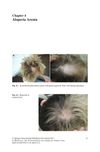
 A 45-year-old woman with autoimmune diseases experienced patchy hair loss due to alopecia areata, which has no cure but can be treated, with varying success.
 April 2016 in “Journal of The American Academy of Dermatology”
 Both atopy and eosinophilia are linked to more severe hair loss in people with alopecia areata.
 January 2015 in “Przegla̧d dermatologiczny”
 308 nm excimer light therapy may help hair regrowth in alopecia areata with delayed results and no serious side effects.
 April 2014 in “Jurnal Biomedik : JBM”
 An 8-year-old girl had nail and hair issues that improved without specific treatment, but fungal nail infection was hard to cure.
Alopecia areata often starts around age 23, can be permanent in 30% of cases, and treatments are usually temporary.
 10 citations
,
March 2014 in “Scandinavian journal of clinical and laboratory investigation”
10 citations
,
March 2014 in “Scandinavian journal of clinical and laboratory investigation” Malondialdehyde-modified DNA may trigger an immune response in alopecia areata patients.
 27 citations
,
April 2005 in “Journal of Chemotherapy”
27 citations
,
April 2005 in “Journal of Chemotherapy” Some patients may experience temporary total hair loss from hepatitis C treatment with PEG-interferon and ribavirin.
 September 2017 in “Journal of Dermatology & Cosmetology”
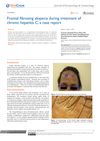
 Hepatitis C treatment may cause frontal fibrosing alopecia.
 September 2022 in “Dermatology and therapy”
 Contact immunotherapy might help treat various skin conditions, but more research is needed to confirm its safety and effectiveness.
11 citations
,
December 2013 in “International Journal of Dermatology” IL16 gene variations may affect the risk of alopecia areata in Koreans.
1 citations
,
January 2024 in “Arab Board Medical Journal” Tofacitinib effectively regrows hair in alopecia areata patients, especially in younger individuals, with manageable side effects.
 May 2026 in “Indian Journal of Dermatology”
 Tofacitinib shows promise for treating alopecia areata with significant hair regrowth and mild side effects.
January 2026 in “Journal of the Egyptian Womenʼs Dermatologic Society” High levels of HSP70 and IL-15 are linked to more severe alopecia areata.
 November 2025 in “Journal of Investigative Dermatology”
 Combination therapy, including JAK inhibitors, effectively regrows hair and reduces severity in Black children with stubborn Alopecia Areata.
September 2025 in “Asian journal of pediatric dermatology.” Abrocitinib helped a 14-year-old girl with severe alopecia areata regrow her hair significantly.
The treatment with Bakuchiol and Neem oil significantly improved hair growth and was well-received by most participants.