 July 2021 in “International journal of dermatology, venereology and leprosy sciences”
 Diphenylcyclopropenone is more effective and has fewer side effects than dinitrochlorobenzene for treating alopecia areata.
Alopecia Areata has no cure, treatments are limited, and the condition often recurs, but new therapies like JAK inhibitors show promise.
 116 citations
,
February 2017 in “Journal of the American Academy of Dermatology”
116 citations
,
February 2017 in “Journal of the American Academy of Dermatology” JAK inhibitors help with skin conditions but need more research on dosing and safety.
 37 citations
,
June 2011 in “Journal of The American Academy of Dermatology”
37 citations
,
June 2011 in “Journal of The American Academy of Dermatology” Loss of sebaceous glands and inflammation may contribute to the development of scarring alopecia.
 30 citations
,
March 2010 in “European Journal of Dermatology”
30 citations
,
March 2010 in “European Journal of Dermatology” Hair loss in elderly women is often caused by various factors, including hormonal changes after menopause.
 24 citations
,
May 2010 in “Veterinary dermatology”
24 citations
,
May 2010 in “Veterinary dermatology” Oral ciclosporin A and topical treatments both reduce hair loss and scaling in dogs with sebaceous adenitis, but using both together is most effective.
 12 citations
,
December 2002 in “Archives of Dermatology”
12 citations
,
December 2002 in “Archives of Dermatology” Sweet syndrome can be the only sign of hairy cell leukemia relapse.
 7 citations
,
December 2008 in “Expert Review of Dermatology”
7 citations
,
December 2008 in “Expert Review of Dermatology” The document concludes that various childhood hair and nail disorders exist, some may improve on their own, and advances in genetics and immunology could enhance treatment and counseling.
 3 citations
,
June 2022 in “Dermatology and therapy”
3 citations
,
June 2022 in “Dermatology and therapy” A new botanical treatment improved hair growth and symptoms in lichen planopilaris patients.
 2 citations
,
November 2020 in “Scientific Reports”
2 citations
,
November 2020 in “Scientific Reports” Metallic-glass coated needles reduce skin trauma and improve tattoo quality.
 1 citations
,
January 2023 in “Journal of Drugs in Dermatology”
1 citations
,
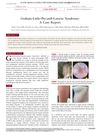
January 2023 in “Journal of Drugs in Dermatology” Early detection of Graham-Little-Piccardi-Lasseur syndrome is key for better management.
 1 citations
,
October 2008 in “Expert Review of Dermatology”
1 citations
,
October 2008 in “Expert Review of Dermatology” Frontal Fibrosing Alopecia is a slowly progressing hair loss condition, likely underdiagnosed, with ineffective treatments, needing more research to understand it fully.
 June 2026 in “International Journal of Innovative Technologies in Social Science”
 Clascoterone cream is a safer, effective acne treatment with fewer side effects.
 March 2026 in “American Journal of Clinical Dermatology”
 Cancer survivors need better skin care to improve their quality of life.
 January 2026 in “International Journal of Dermatology Venereology and Leprosy Sciences”
 Metformin may improve acanthosis nigricans by reducing insulin resistance.
Improved nutrition quickly healed the patient's skin lesions.
 February 2024 in “Asian journal of medical sciences”
 Proper hygiene, adequate sleep, and self-care can reduce common skin diseases.
 January 2024 in “American journal of clinical dermatology”
 Ritlecitinib is safe and well-tolerated for treating alopecia areata in patients aged 12 and older.
 May 2023 in “Sučasna pedìatrìâ. Ukraïna”
 An 11-year-old child with total hair loss may have a genetic autoimmune disease, and the outlook for hair regrowth is not good.
 August 2010 in “The Journal of Dermatology”
 The document concludes that low-dose acne treatment is most suitable for moderate acne, with high patient satisfaction and low relapse rates.
 67 citations
,
January 2022 in “Theranostics”
67 citations
,
January 2022 in “Theranostics” Advanced nanocarrier and microneedle drug delivery methods are more effective, safer, and less invasive for treating skin diseases.
 6 citations
,
January 2017 in “Dermato-endocrinology”
6 citations
,
January 2017 in “Dermato-endocrinology” ADT-G may be a useful indicator of increased androgen levels in women with acne and can be lowered with certain birth control pills.
 4 citations
,
June 2019 in “International Journal of Dermatology and Venereology”
4 citations
,
June 2019 in “International Journal of Dermatology and Venereology” Some skin diseases may indicate a higher risk of metabolic syndrome and related health issues.
 42 citations
,
September 2018 in “Journal der Deutschen Dermatologischen Gesellschaft”
42 citations
,
September 2018 in “Journal der Deutschen Dermatologischen Gesellschaft” Adult female acne requires a comprehensive treatment approach, including medical options and lifestyle changes, with attention to psychological well-being.
 March 2026 in “Plastic and Aesthetic Research”
 Adipose-derived stem cell exosomes can help reduce skin aging from UV exposure.
 June 2015 in “Biomedical and biopharmaceutical research”
 The congress showed advancements in skin hydration, barrier function, and safe, effective new cosmetic formulations.
 May 2013 in “Springer eBooks”
 Skin problems in the elderly are unique and may indicate other diseases, involving changes in skin, hair, nails, and increased cancer risk.
 June 2022 in “International Journal of Biomedicine”
 Erbium YAG laser treatment, combined with conventional therapy, can effectively reduce hair loss and promote hair growth in men with androgenetic alopecia.
 June 1930 in “Archives of dermatology”
 Dermatological conditions are complex, and treatments have mixed results.
 14 citations
,
March 2022 in “Journal of inflammation research”
14 citations
,
March 2022 in “Journal of inflammation research” Baricitinib shows promise as a new treatment for certain skin conditions like alopecia areata.