 70 citations
,
February 2021 in “International Journal of Molecular Sciences”
70 citations
,
February 2021 in “International Journal of Molecular Sciences” Fat-derived stem cells, platelet-rich plasma, and biomaterials show promise for healing chronic skin wounds and improving soft tissue with few side effects.
133 citations
,
July 2020 in “Cells” Creating fully functional artificial skin for chronic wounds is still very challenging.
38 citations
,
March 2019 in “International Wound Journal” A new skin treatment using a patient's own cells healed chronic wounds effectively and was preferred over traditional grafts.
 December 2024 in “Pharmaceutics”
 Spironolactone nano-formulations show promise for treating skin disorders, but more research is needed for safety and effectiveness.
 113 citations
,
June 2019 in “F1000Research”
113 citations
,
June 2019 in “F1000Research” Scarless healing is complex and influenced by genetics and environment, while better understanding could improve scar treatment.
18 citations
,
September 2022 in “Cold Spring Harbor Perspectives in Biology” Controlling immune responses with biomaterials can reduce scarring and improve skin regeneration.
 March 2019 in “Journal der Deutschen Dermatologischen Gesellschaft”
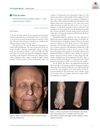
 Rothmund-Thomson syndrome type 2 can cause chronic, poorly healing wounds.

Plant-derived exosomes show promise for healing skin wounds but need more research and trials.
 232 citations
,
October 2015 in “International journal of molecular sciences”
232 citations
,
October 2015 in “International journal of molecular sciences” Stem cells are crucial for skin repair and new treatments for chronic wounds.
 February 2026 in “BMC Plastic and Reconstructive Surgery”
 Induced pluripotent stem cells could improve chronic wound healing but face safety and effectiveness challenges.

Elastin-like recombinamers show promise for better wound healing and skin regeneration.
 April 2019 in “Journal of Investigative Dermatology”
 Skin grafts from related donors significantly healed chronic wounds in patients with a severe skin condition over a year.
 October 2022 in “Frontiers in Cell and Developmental Biology”
 Aging skin is affected by inflammation, reduced stem cell function, and slower wound healing.
 147 citations
,
November 2020 in “International Journal of Molecular Sciences”
147 citations
,
November 2020 in “International Journal of Molecular Sciences” Keratinocytes help heal skin wounds by interacting with immune cells and producing substances that kill pathogens.
 19 citations
,
June 2015 in “Actas Dermo-Sifiliográficas”
19 citations
,
June 2015 in “Actas Dermo-Sifiliográficas” Chronic kidney disease can cause skin problems that affect patient quality of life, and treating these conditions can improve outcomes.
 2 citations
,
September 2022 in “Cytotherapy”
2 citations
,
September 2022 in “Cytotherapy” Fat-derived stem cells show promise for treating skin issues and improving wound healing, but more research is needed to confirm the best way to use them.
 2 citations
,
November 2023 in “Curēus”
2 citations
,
November 2023 in “Curēus” Platelet-rich plasma (PRP) speeds up skin wound healing and has potential in medical and cosmetic uses.
 September 2015 in “Actas Dermo-Sifiliográficas”
 People with advanced chronic kidney disease often have skin problems, which can be treated with various medications and procedures to improve their quality of life.
 February 2022 in “Journal of Investigative Dermatology”
 Newborn skin cells can change into wound-healing cells more easily than adult ones, which might explain why baby skin heals without scars. Understanding this could help treat chronic wounds and prevent scarring.
 28 citations
,
September 2015 in “Wiener Klinische Wochenschrift”
28 citations
,
September 2015 in “Wiener Klinische Wochenschrift” New skin substitutes for treating severe burns and chronic wounds are being developed, but a permanent solution for deep wounds is not yet available commercially.
 5 citations
,
January 2019 in “Elsevier eBooks”
5 citations
,
January 2019 in “Elsevier eBooks” Current therapies cannot fully regenerate adult skin without scars; more research is needed for scar-free healing.
 3 citations
,
March 2023 in “Life”
3 citations
,
March 2023 in “Life” Obesity can worsen wound healing by negatively affecting the function of stem cells in fat tissue.
2 citations
,
July 2025 in “Journal of Plastic Reconstructive & Aesthetic Surgery” Hair follicles can improve wound healing and reduce scarring.
 June 2026 in “International Journal of Bioprinting”
 3D bioprinting shows promise for skin regeneration but needs more development to fully replicate natural skin.
July 2026 in “Frontiers in Bioengineering and Biotechnology” A combination of advanced human-relevant models and new technologies is needed to improve wound healing research.
 April 2026 in “Clinical Cosmetic and Investigational Dermatology”
 Myrtus communis leaf extract may help with hair loss and wound healing.
 November 2022 in “The journal of investigative dermatology/Journal of investigative dermatology”
 YAP1 is important for skin regeneration and may affect skin disorder treatments.
 November 2022 in “Journal of Investigative Dermatology”
 3D skin bioprinting, using skin bioinks like collagen and gelatin, is growing fast and could help treat wounds, burns, and skin cancers, as well as test cosmetics and drugs.
July 2026 in “International Science Journal” Exosomes and polynucleotides improve skin rejuvenation and healing but need more research for long-term safety and guidelines.
 31 citations
,
July 2017 in “Clinical Science”
31 citations
,
July 2017 in “Clinical Science” MicroRNAs are important for skin health and could be targets for new skin disorder treatments.