 21 citations
,
September 2018 in “International journal of women’s dermatology”
21 citations
,
September 2018 in “International journal of women’s dermatology” People with Lichen planopilaris are more likely to have certain autoimmune and endocrine disorders but less likely to have conditions like allergies and diabetes.
 13 citations
,
February 2015 in “Actas Dermo-Sifiliográficas”
13 citations
,
February 2015 in “Actas Dermo-Sifiliográficas” The document concludes that recognizing specific histological features of different nonscarring alopecias is crucial for accurate diagnosis and understanding hair loss progression.
 6 citations
,
October 2019 in “Case Reports in Dermatology”
6 citations
,
October 2019 in “Case Reports in Dermatology” The document concludes that treatment can improve hair growth and symptoms in Fibrosing Alopecia in a Pattern Distribution.
 3 citations
,
January 2020 in “Clinical dermatology review”
3 citations
,
January 2020 in “Clinical dermatology review” Trichoscopy is useful for diagnosing hair and scalp disorders in people with darker skin.
 1 citations
,
January 2014 in “Health Renaissance”
1 citations
,
January 2014 in “Health Renaissance” Pseudopelade of Brocq is hard to diagnose and treat, with limited effective options.
 May 2026 in “Open Access CRIS of the University of Bern”
 GLP-1 receptor agonists can both help and harm hair, so careful monitoring is needed.
July 2025 in “Case Reports in Dermatology” Early detection and treatment are crucial to prevent irreversible hair loss in Lichen Planopilaris.
 August 2023 in “International journal of research and review”
 Homeopathy can effectively treat pattern hair loss by using remedies like Lycopodium Clavatum and Natrum Muriaticum, tailored to the patient's overall condition.
 July 2018 in “Elsevier eBooks”
 Acne keloidalis nuchae is a chronic skin condition more common in African men, causing itchy or painful bumps and can lead to permanent hair loss if not treated early.
 1 citations
,
October 2013 in “Expert Review of Dermatology”
1 citations
,
October 2013 in “Expert Review of Dermatology” Diagnosing alopecia areata is challenging and requires careful examination and various tests to distinguish it from other hair loss types.
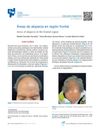 January 2025 in “Revista del Centro Dermatológico Pascua”
 Early diagnosis and treatment can help manage fibrosing alopecia in older women.
 90 citations
,
July 2008 in “Dermatologic therapy”
90 citations
,
July 2008 in “Dermatologic therapy” Lichen planopilaris is a chronic, scarring hair loss condition with no definitive cure, requiring accurate diagnosis and treatment to manage symptoms.
 63 citations
,
May 2000 in “Australasian Journal of Dermatology”
63 citations
,
May 2000 in “Australasian Journal of Dermatology” Chemotherapy and bone marrow transplant can cause permanent hair loss.
 59 citations
,
December 2016 in “Clinical, Cosmetic and Investigational Dermatology”
59 citations
,
December 2016 in “Clinical, Cosmetic and Investigational Dermatology” Acne keloidalis nuchae is a tough-to-treat condition that greatly affects quality of life, especially in men of African descent.
 56 citations
,
July 2005 in “Journal of The American Academy of Dermatology”
56 citations
,
July 2005 in “Journal of The American Academy of Dermatology” Using both vertical and transverse sections gives a better diagnosis of alopecia than using one method alone.
 46 citations
,
January 2015 in “Journal of The American Academy of Dermatology”
46 citations
,
January 2015 in “Journal of The American Academy of Dermatology” Trichoscopy helps diagnose and assess the severity of Frontal Fibrosing Alopecia.
 42 citations
,
October 2012 in “Dermatologic Clinics”
42 citations
,
October 2012 in “Dermatologic Clinics” Trichoscopy is a useful tool for diagnosing different hair and scalp diseases without surgery.
35 citations
,
January 2008 in “American Journal of Clinical Dermatology” KFSD can be linked to acne keloidalis nuchae and tufted hair folliculitis.
 32 citations
,
January 2006 in “Acta dermato-venereologica”
32 citations
,
January 2006 in “Acta dermato-venereologica” SACUMAN, a rare condition causing hair loss without clear signs, is often misdiagnosed and needs scalp biopsies for accurate detection.
 29 citations
,
April 2013 in “Mycoses”
29 citations
,
April 2013 in “Mycoses” A young man was initially misdiagnosed with a scalp condition but was found to have a fungal infection, which improved with antifungal treatment.
 26 citations
,
June 2018 in “Australasian Journal of Dermatology”
26 citations
,
June 2018 in “Australasian Journal of Dermatology” Stopping sunscreen use on the forehead led to hair regrowth in a woman with frontal fibrosing alopecia.
 26 citations
,
August 2016 in “Actas Dermo-Sifiliográficas”
26 citations
,
August 2016 in “Actas Dermo-Sifiliográficas” Frontal Fibrosing Alopecia in men is often missed and can come with symptoms like facial bumps and hair loss on eyebrows and limbs.
 24 citations
,
September 1985 in “Journal of The American Academy of Dermatology”
24 citations
,
September 1985 in “Journal of The American Academy of Dermatology” The report suggests a possible link between hair loss and hidden scalp tumors but states more evidence is needed to confirm this.
 19 citations
,
December 2008 in “Journal of The American Academy of Dermatology”
19 citations
,
December 2008 in “Journal of The American Academy of Dermatology” The authors suggest that a new type of hair loss exists, which is different from alopecia areata.
 14 citations
,
September 2016 in “Journal of Cutaneous Pathology”
14 citations
,
September 2016 in “Journal of Cutaneous Pathology” The document concludes that new methods improve the accuracy of diagnosing scalp alopecia and challenges the old way of classifying it.
 12 citations
,
February 2010 in “Journal of the European Academy of Dermatology and Venereology”
12 citations
,
February 2010 in “Journal of the European Academy of Dermatology and Venereology” Some people with chronic hair loss may have thyroid autoimmunity.
 9 citations
,
January 2018 in “Journal of the European Academy of Dermatology and Venereology”
9 citations
,
January 2018 in “Journal of the European Academy of Dermatology and Venereology” A male patient developed frontal fibrosing alopecia after antiandrogen therapy for prostate cancer.
8 citations
,
January 2020 Alopecia areata causes patchy hair loss, and certain hair features can suggest its presence.
 7 citations
,
August 2019 in “Clinical and Experimental Dermatology”
7 citations
,
August 2019 in “Clinical and Experimental Dermatology” The Mona Lisa's high forehead and sparse eyebrows might be due to a hair loss condition or Renaissance fashion trends, but the actual reason is unknown.
 6 citations
,
October 2014 in “PubMed”
6 citations
,
October 2014 in “PubMed” Autoimmune diseases like lupus, dermatomyositis, and scleroderma can cause hair loss and other hair problems, and treatments for these diseases might also affect hair.